Vinyl Siding in the Bay Area: Cheap by the Foot, Complicated Everywhere Else
I am going to be more honest about this project than the national data is, because the national data has never driven down Mission Boulevard.
The numbers, with their year stamps
On paper, vinyl siding is respectable. The 2021 national edition the course studied priced it at 16,576 dollars with a 68.3 percent recoup, sixth of twenty. The 2025 San Francisco metro row reads about 19,844 dollars spent and about 15,803 dollars returned, 79.6 percent.
Vinyl siding: the 2025 payback picture
Source: 2025 Cost vs. Value Report, Zonda Media / Remodeling. San Francisco metro, Pacific region and national data as published at jlconline.com. © 2025 Zonda Media, a Delaware corporation. Percentages are averages for professionally installed projects across a whole metro, and the report's methodology changed between editions, so treat every figure as a planning signal with a year stamp, never a promise for any specific house.
Within its own edition, that is a middle of the board result: most of the money comes back, the house gets a new shell, nobody gets hurt. So why am I lukewarm?
The Bay Area asterisks
First, the comparison shop. In the same 2025 metro data, fiber cement siding returned 109.8 percent. For a modest step up in budget you move from a project that loses about 4,000 dollars to one that pays for itself, and you get the more durable, more fire resistant material in the bargain.
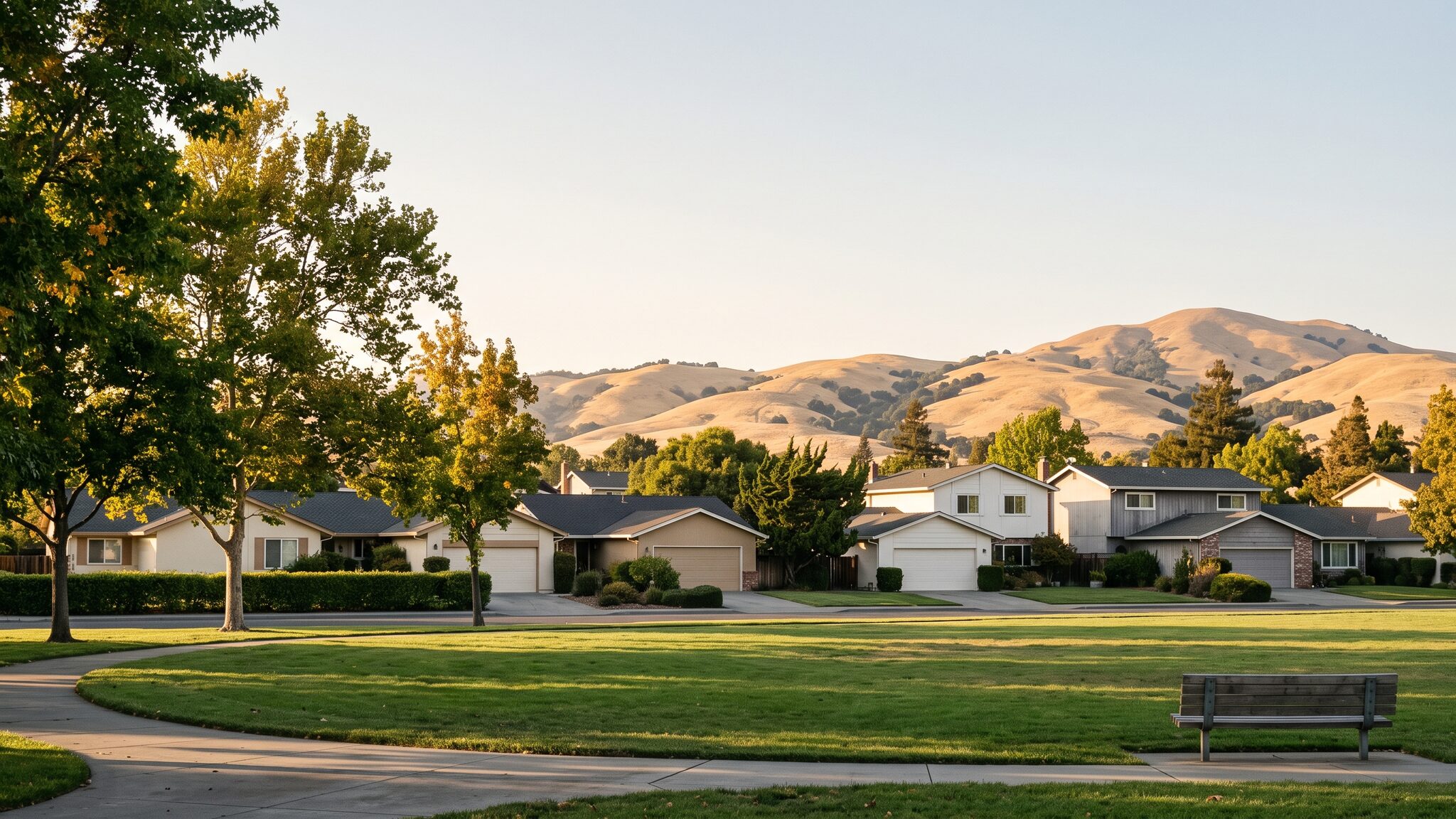
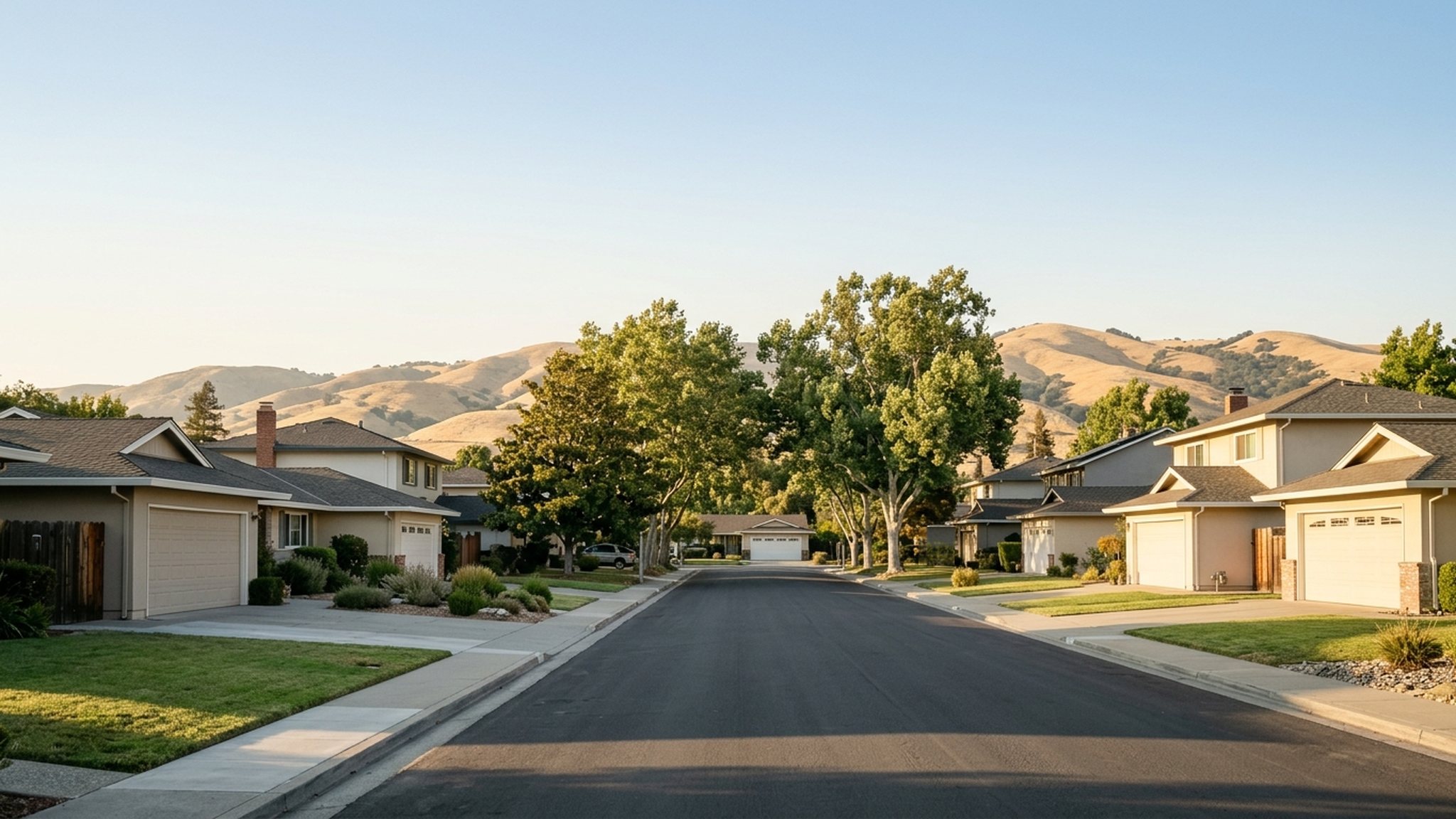
Second, the neighborhood context. Tri-City streets are stucco and wood; vinyl clad homes are scarce here, and scarce does not mean special in resale. Buyers price what they recognize. In the Midwest vinyl reads as normal. Here it can read as the budget choice, which is exactly the story you do not want your exterior telling.
Third, fire. Vinyl softens and deforms under radiant heat. In mapped fire severity zones the Chapter 7A material rules make it a hard sell, and even outside those maps, Bay Area insurers now ask what your walls are made of. The few thousand dollars vinyl saves can reappear later in harder conversations.
Where vinyl honestly fits
A flatland rental or entry level home far from any fire mapping, failing wood siding, a hard budget ceiling, and an owner who values never painting again. In that specific situation, vinyl is a legitimate tool, and the 2025 data says roughly four fifths of the check comes back. Just insist on quality installation with proper expansion gaps, because vinyl installed tight buckles in our summer sun, and a wavy wall photographs terribly.
My read, by your timeline
Selling soon: do not reclad anything to sell unless the siding is visibly failing. Paint what you have, spend the difference on the front door and staging, and price the house right.
Staying a while: run both siding quotes. If the vinyl bid and the fiber cement bid land within a few thousand dollars, the fiber cement is the easy call in this metro. The full twenty project board shows exactly where each lands.
What would this vinyl siding quote get back?
I apply the 2025 San Francisco metro recoup average for this project, 80 percent, to your real number. A planning picture before you sign, not a valuation.
Plan on about $4,041 of this quote staying in the house on the metro average. If the sale is this close, that money usually works harder in prep, paint and pricing than in a project the next owner reprices anyway.
A planning illustration, not a valuation, appraisal or promise of any outcome. It applies one published metro average (2025 Cost vs. Value Report, Zonda Media / Remodeling, San Francisco metro) to the number you typed, nothing more. Whether a specific project pays on your specific house depends on condition, block and timing; that conversation belongs in a pre listing consult with real comparable sales.
Harv Balu, REALTOR®
- Cell / Text: (510) 600-3425
- Email: homes@HarvRealtor.com
- Web: HarvRealtor.com
- REALTY EXPERTS®, 41051 Mission Blvd, Fremont, CA 94539, DRE# 02195792
Disclosures
This information is educational and general in nature and is not a bid, valuation, appraisal, or guarantee of any outcome. Cost and resale figures are published averages from the Zonda Media and Remodeling magazine Cost vs. Value Report, cited by edition year and geography in the text, current as of August 2026; the report's methodology changed between editions, so figures from different years are not comparable. Building code, wildfire zone and insurance notes describe general California practice; verify requirements with your local building department and your insurer. Equal Housing Opportunity. Information deemed reliable but not guaranteed.
Vinyl siding questions, answered straight
Is vinyl siding a good investment in the Bay Area?
The 2025 Cost vs. Value Report shows vinyl siding in the San Francisco metro costing about 19,844 dollars and returning about 15,803 dollars at resale, a 79.6 percent recoup. Decent, but its fiber cement sibling cleared 109.8 percent in the same data for a few thousand dollars more. In our market, vinyl also fights a perception headwind: it is rare in Tri-City neighborhoods, so it can read as unfamiliar rather than upgraded, and at hillside addresses near wildfire zones the material conversation turns against it quickly. It is the budget answer, not the Bay Area answer.
Is vinyl siding allowed in California wildfire zones?
In mapped very high fire hazard severity zones, California's Chapter 7A standards require exterior claddings to meet ignition resistance requirements, and standard vinyl, which softens and melts under radiant heat, has a hard time in that conversation. Homes near but outside mapped zones face no prohibition, but insurers increasingly ask about cladding materials anyway. If wildfire exposure is anywhere in your home's story, put the incremental dollars into fiber cement or stucco and buy yourself a simpler disclosure and insurance file.
What should I put on my house instead of vinyl siding?
If the existing stucco is sound, paint it; nothing beats that ratio of transformation to dollars. If you are recladding failing wood siding, fiber cement is the material the current data and the California context both favor: noncombustible, dimensionally stable, holds paint for a decade plus, and its 2025 metro recoup was above breakeven. Vinyl earns its place mainly when the budget is the entire decision and the home sits well away from any fire severity mapping.

Harv Balu
REALTOR® | GRI, CIPS, PSA, FTBS · REALTY EXPERTS®
CA DRE# 02195792
Read every post in HarvRealtor, my free app, and the words read offline. Download it free from the App Store® (opens in new tab).