Fiber Cement Siding: The Shell Upgrade That Pays for Itself and Talks to Your Insurer
Some projects sell to the buyer's eye. This one also sells to two other audiences that matter more every year in California: the home inspector and the insurance underwriter.
The numbers, with their year stamps
In the 2021 national data the course studied, fiber cement siding cost 19,626 dollars with a 69.4 percent recoup, fourth best of twenty. In the 2025 edition, the San Francisco metro row reads about 24,197 dollars spent, about 26,573 dollars back, 109.8 percent.
Fiber cement siding: the 2025 payback picture
Source: 2025 Cost vs. Value Report, Zonda Media / Remodeling. San Francisco metro, Pacific region and national data as published at jlconline.com. © 2025 Zonda Media, a Delaware corporation. Percentages are averages for professionally installed projects across a whole metro, and the report's methodology changed between editions, so treat every figure as a planning signal with a year stamp, never a promise for any specific house.
Different methodology between editions, same verdict inside each one: replacing tired cladding with fiber cement sits comfortably in the top tier of the board, and in our metro it is one of the handful of projects that pays for itself outright.
What the reclad includes
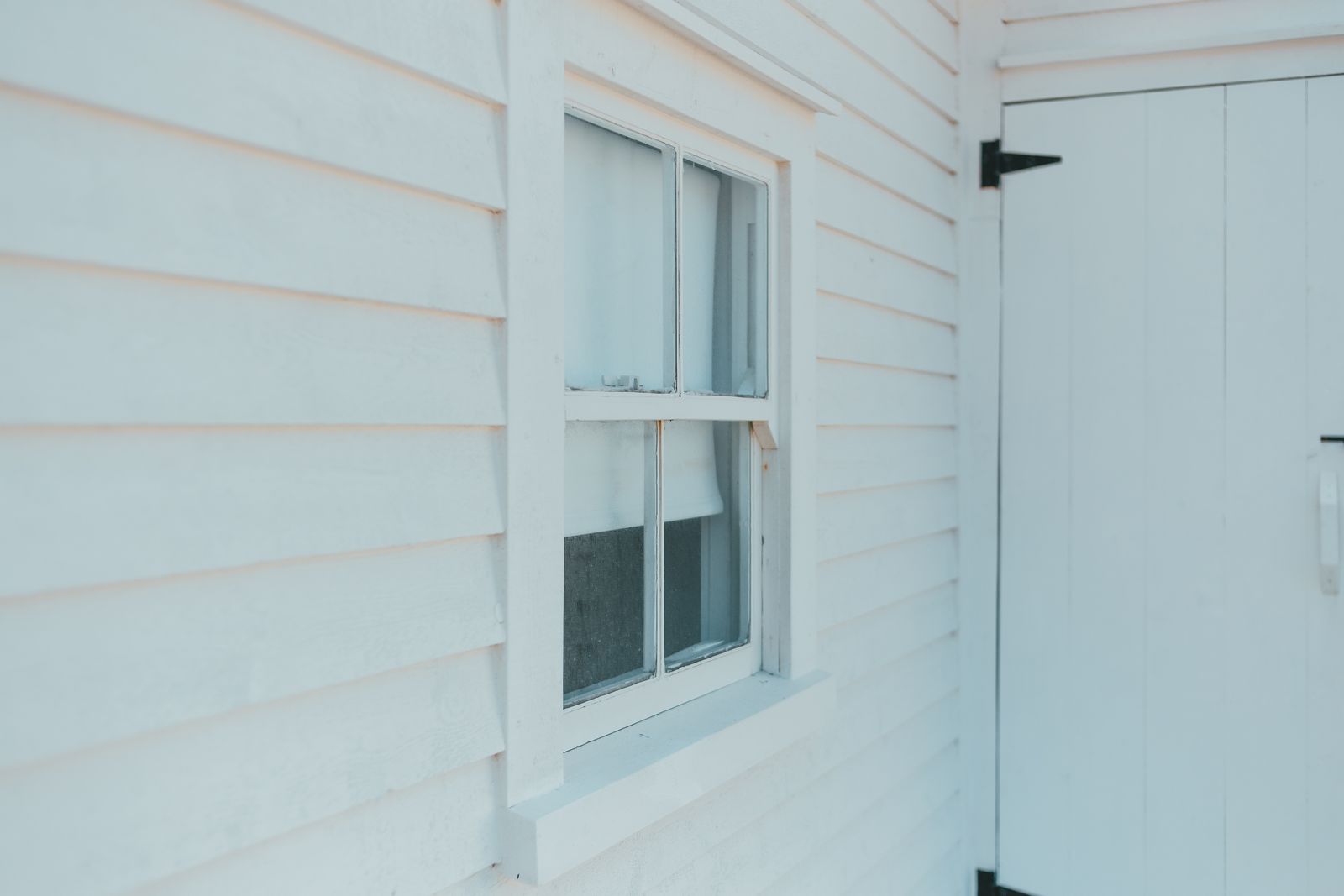
The studied scope strips roughly 1,250 square feet of existing siding and replaces it with factory primed fiber cement lap boards, including the trim at openings. It is a whole elevation reset: new weather surface, crisp lines, paint that holds for a decade or more because the substrate does not move like wood.
What it is not: a fix for what lives underneath. If there is water damage in the sheathing, this is the moment it gets found and repaired, so build contingency into the budget rather than being surprised by it.
The local wrinkles
The fire story is the California kicker. Fiber cement is noncombustible, and in or near mapped wildfire severity zones the Chapter 7A rules make exterior material choices a code conversation, not just a style one. Insurers have their own opinions now too, and a documented noncombustible reclad is the kind of fact worth stating plainly in your disclosure package. Two more notes: much of the Tri-City is stucco, and sound stucco should be painted, not buried under new cladding; and if your house is one of the mid century wood sided models in Glenmoor, Cherry Guardino or the Newark flats, the reclad conversation is exactly for you.
My read, by your timeline
Selling soon: a full reclad is rarely a pre sale move on its own, because paint achieves most of the photo at a tenth of the cost. The exception is visible siding failure, rot, cupping, chronic peeling, because inspectors will find it, buyers will fear it, and the repair credit conversation always costs more than the honest fix.
Staying five plus years: this is one of the best long hold projects on the board. You get a decade of low maintenance and a stronger insurance posture, and the 2025 data says the market hands the money back whenever you sell. Its cheaper cousin, vinyl siding, is a different and more complicated story here.
Full board and picker: the Remodel Math pillar. Your quote:
What would this fiber cement siding quote get back?
I apply the 2025 San Francisco metro recoup average for this project, 110 percent, to your real number. A planning picture before you sign, not a valuation.
On the 2025 San Francisco metro average, this project carries its own cost and then some. Timed just before listing, it is one of the few checks that can come back larger than it went out.
A planning illustration, not a valuation, appraisal or promise of any outcome. It applies one published metro average (2025 Cost vs. Value Report, Zonda Media / Remodeling, San Francisco metro) to the number you typed, nothing more. Whether a specific project pays on your specific house depends on condition, block and timing; that conversation belongs in a pre listing consult with real comparable sales.
Harv Balu, REALTOR®
- Cell / Text: (510) 600-3425
- Email: homes@HarvRealtor.com
- Web: HarvRealtor.com
- REALTY EXPERTS®, 41051 Mission Blvd, Fremont, CA 94539, DRE# 02195792
Disclosures
This information is educational and general in nature and is not a bid, valuation, appraisal, or guarantee of any outcome. Cost and resale figures are published averages from the Zonda Media and Remodeling magazine Cost vs. Value Report, cited by edition year and geography in the text, current as of August 2026; the report's methodology changed between editions, so figures from different years are not comparable. Building code, wildfire zone and insurance notes describe general California practice and are not underwriting advice; verify requirements with your local building department and your insurer. Equal Housing Opportunity. Information deemed reliable but not guaranteed.
Fiber cement siding questions from Bay Area owners
Is fiber cement siding worth the cost at resale?
On the current published averages it carries itself. The 2025 Cost vs. Value Report prices the fiber cement reclad in the San Francisco metro at about 24,197 dollars with about 26,573 dollars credited at resale, a 109.8 percent recoup. It is one of only five projects on the twenty project board that clears breakeven in our metro. The value story is twofold: the house photographs as newly built, and the material itself signals durability in a way buyers and, increasingly, insurers respond to.
Why does fiber cement matter for fire and insurance in California?
Fiber cement is a noncombustible cladding, and in mapped fire hazard severity zones California's Chapter 7A building standards govern exterior materials on new construction and often on significant remodels. Even outside mapped zones, insurers writing Bay Area policies pay attention to roof and cladding materials when assessing a home. Replacing combustible cladding with fiber cement will not by itself guarantee coverage or discounts, but it moves the house in the direction underwriting likes, and the documentation is worth keeping and disclosing proudly when you sell.
Should I reclad with fiber cement or just repaint my stucco?
If you have sound stucco, keep it and paint it; stucco is already a durable, fire friendly cladding, and paint is a fraction of the cost. The fiber cement conversation belongs to homes with aging wood or composite lap siding, especially where boards are cupping, rotting at the bottom edge, or holding paint for shorter and shorter cycles. That is the house where a reclad resets the clock on the entire exterior, and where the 2025 data says the market gives the money back.

Harv Balu
REALTOR® | GRI, CIPS, PSA, FTBS · REALTY EXPERTS®
CA DRE# 02195792
Read every post in HarvRealtor, my free app, and the words read offline. Download it free from the App Store® (opens in new tab).