The Primary Suite Addition: The Biggest Check on the Board and the Smallest Return
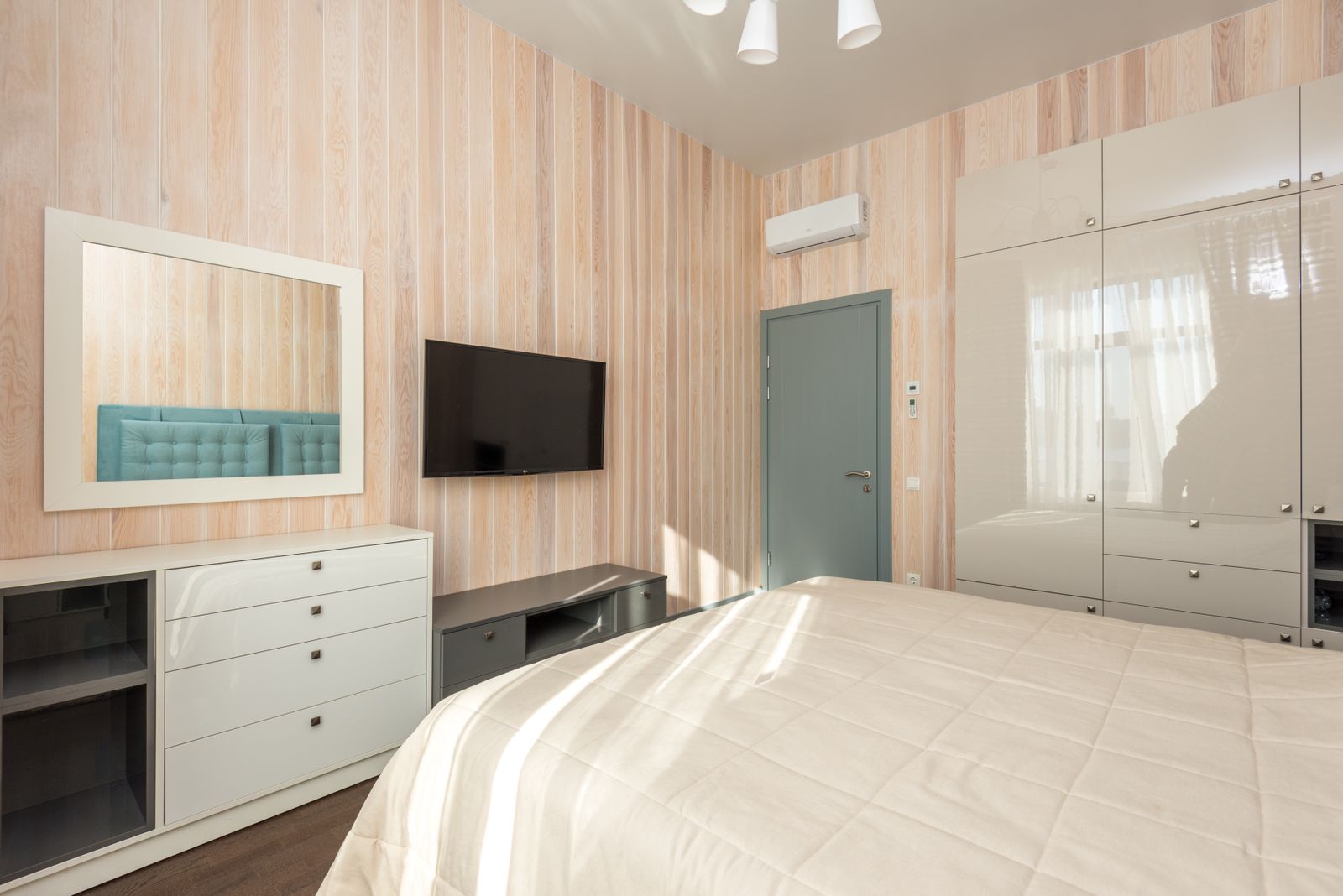
This is the largest number on the entire board, and the smallest fraction returned. If you read only one post in this series before calling an architect, make it this one, because California has quietly built you a better alternative.
The numbers, with their year stamps
The 2021 national edition priced the midrange primary suite addition at 156,741 dollars with a 54.7 percent recoup. The 2025 San Francisco metro row: about 207,096 dollars spent, about 53,396 dollars credited at resale, 25.8 percent, dead last among the twenty. About three quarters of the check does not come back.
Primary suite addition: the 2025 payback picture
Source: 2025 Cost vs. Value Report, Zonda Media / Remodeling. San Francisco metro, Pacific region and national data as published at jlconline.com. © 2025 Zonda Media, a Delaware corporation. Percentages are averages for professionally installed projects across a whole metro, and the report's methodology changed between editions, so treat every figure as a planning signal with a year stamp, never a promise for any specific house.
Nothing about that is a construction scandal. Additions carry the full stack of building costs, foundation, framing, roof tie in, a complete bath, months of every trade, while appraisal credits finished space at neighborhood rates. The arithmetic has simply never favored building your way into a bigger house at retail.
The alternative the law built
Before committing suite money, price the accessory dwelling unit. A decade of California legislation has systematically cleared local obstacles to ADUs, and the 2025 report now tracks them: about 203,481 dollars in our metro, 34.3 percent recoup. As pure resale math, also weak. But an ADU is the only project on the board that can produce income, house a parent with a private door, or give a returning adult child independence, all in Tri-City cities where backyard cottages are now a familiar sight. Same rough check as the suite addition, profoundly more optionality.
The local wrinkles
Additions are the full permit experience: plans, engineering, setbacks, sometimes soils work, plus development impact fees that vary by city and add real money before a shovel moves. Expect the process in months and budget contingency like you mean it. And run the neighborhood ceiling test first: on a street of 1,800 square foot homes, a 2,600 square foot result does not get 2,600 square foot money. The addition math works best for the smallest house on a bigger street, and worst for the biggest.
My read, by your timeline
Selling within a few years: never. No version of six figure construction weeks before market survives contact with this recoup number. Price the house you own, sell it well, and buy the bigger house with the proceeds; in most cases that is genuinely the cheaper path to the space.
Staying, with a real space problem: build for the decade of family life, not the appraisal, and put the ADU quote next to the suite quote before deciding. If the ADU serves, it is the rare six figure project with a second act. The full board shows just how alone at the bottom this project sits.
What would this primary suite addition quote get back?
I apply the 2025 San Francisco metro recoup average for this project, 26 percent, to your real number. A planning picture before you sign, not a valuation.
Plan on about $153,700 of this quote staying in the house on the metro average. If the sale is this close, that money usually works harder in prep, paint and pricing than in a project the next owner reprices anyway.
A planning illustration, not a valuation, appraisal or promise of any outcome. It applies one published metro average (2025 Cost vs. Value Report, Zonda Media / Remodeling, San Francisco metro) to the number you typed, nothing more. Whether a specific project pays on your specific house depends on condition, block and timing; that conversation belongs in a pre listing consult with real comparable sales.
Harv Balu, REALTOR®
- Cell / Text: (510) 600-3425
- Email: homes@HarvRealtor.com
- Web: HarvRealtor.com
- REALTY EXPERTS®, 41051 Mission Blvd, Fremont, CA 94539, DRE# 02195792
Disclosures
This information is educational and general in nature and is not a bid, valuation, appraisal, or guarantee of any outcome. Cost and resale figures are published averages from the Zonda Media and Remodeling magazine Cost vs. Value Report, cited by edition year and geography in the text, current as of August 2026; the report's methodology changed between editions, so figures from different years are not comparable. ADU, permit and fee notes describe general California practice and vary by city; verify with your local planning and building departments. Equal Housing Opportunity. Information deemed reliable but not guaranteed.
Addition questions families weigh for years
How much does a primary suite addition cost and what returns at resale?
The 2025 Cost vs. Value Report prices the midrange primary suite addition in the San Francisco metro at about 207,096 dollars, with about 53,396 dollars credited at resale, a 25.8 percent recoup, the weakest result on the twenty project board. Roughly 154,000 dollars of the average project does not return. New foundation, roof tie in, full bath, and every trade on site for months: additions carry the full retail cost of construction while resale credits only the finished square footage.
Is an ADU better than a room addition in California?
They solve different problems, and the ADU often solves yours. California law has spent a decade clearing the path for accessory dwelling units, and an ADU adds space that can also earn rent or house family independently, something no attached suite can do. The 2025 report tracked ADUs too, at about 203,481 dollars in the San Francisco metro with a 34.3 percent recoup, similar money to the suite addition, weak recoup as pure resale, but with an income stream and multigenerational flexibility the suite never offers. If you are considering six figure construction, price both paths before drawing either.
Does adding square footage always increase home value?
It increases value; it almost never increases it by what the construction cost. Appraisals credit added square footage at neighborhood rates, while you pay construction at current retail with foundations, engineering and permit fees included, and in our market those two numbers are far apart for additions. The homes where additions come closest to penciling are small houses on streets of big ones, where the added footage moves the home into a different comparable set. That is a comps conversation before it is an architect conversation.

Harv Balu
REALTOR® | GRI, CIPS, PSA, FTBS · REALTY EXPERTS®
CA DRE# 02195792
Read every post in HarvRealtor, my free app, and the words read offline. Download it free from the App Store® (opens in new tab).