The Minor Kitchen Remodel: Why the Light Touch Beats the Gut Job at Resale
Every month someone tells me they cannot sell yet because the kitchen needs 100,000 dollars of work first. Almost every time, they are describing the wrong project.
Prefer to watch? Press play below. My video walkthrough runs under seven minutes, including the four rules that keep a kitchen refresh small.
The numbers, with their year stamps
Start with the current edition. In the 2025 Cost vs. Value Report for the San Francisco metro, which covers Fremont, Newark and Union City, the minor midrange kitchen averaged about 31,804 dollars and was credited with about 35,753 dollars at resale, 112.4 percent of its cost. It cleared its own cost.
Minor kitchen remodel: the 2025 payback picture
Source: 2025 Cost vs. Value Report, Zonda Media / Remodeling. San Francisco metro, Pacific region and national data as published at jlconline.com. © 2025 Zonda Media, a Delaware corporation. Percentages are averages for professionally installed projects across a whole metro, and the report's methodology changed between editions, so treat every figure as a planning signal with a year stamp, never a promise for any specific house.
Now hold that against its big sibling. The major midrange kitchen, the one with new everything, cost about 97,667 dollars in that same 2025 metro data and was credited with about 47,360, or 48.5 percent. Half the money gone. Same room, same buyers, opposite verdict: per 100 dollars spent, the refresh got about 112 back and the gut job about 48.50.
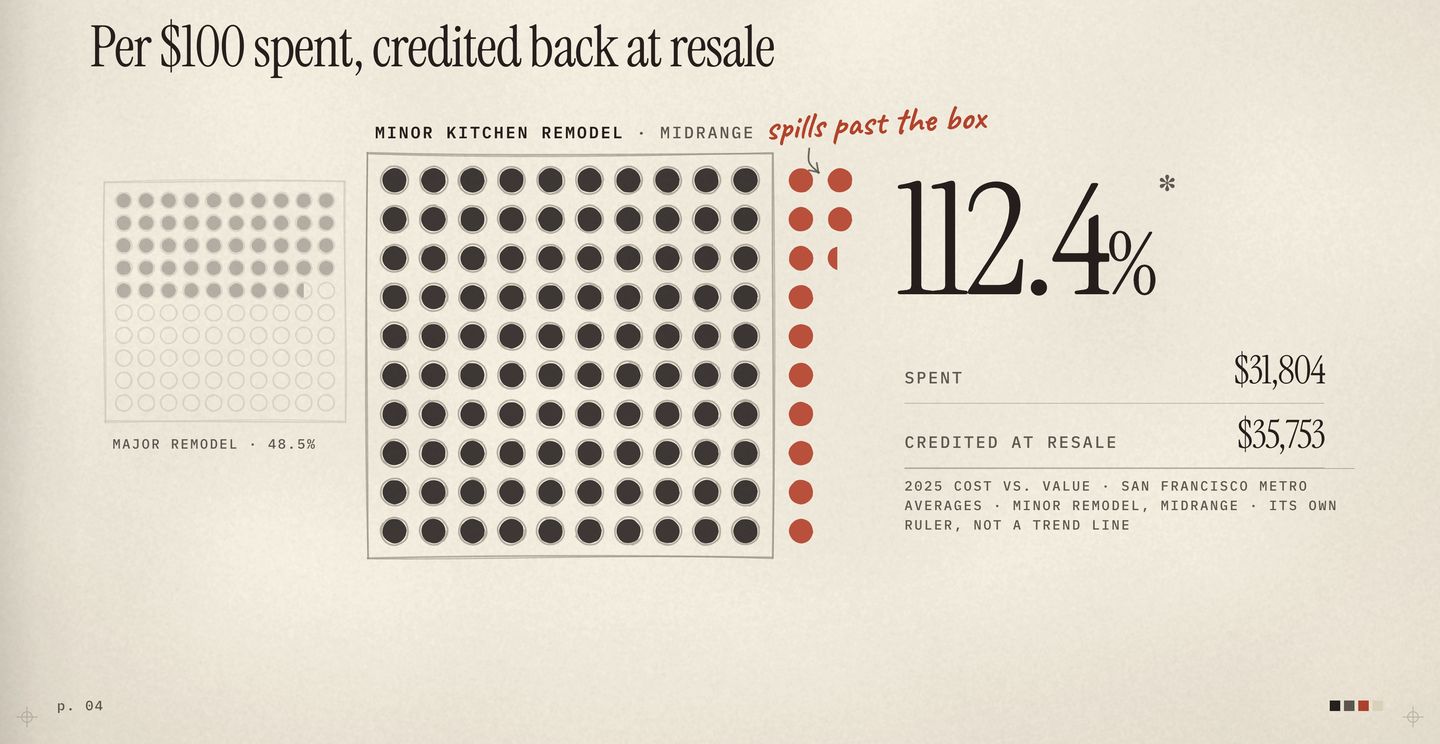
The report changed how it measures value between editions, so these 2025 numbers stand on their own ruler. They are published averages for professional jobs, not a promise for your street or your house.
On the older ruler, even the best interior project lost money
The 2021 edition, the one the licensing course was built on and the ruler this whole series is ranked on, priced the minor midrange kitchen at 26,214 dollars nationally, with 18,927 dollars back at resale: a 72.2 percent recoup, about 72 cents on the dollar. That still ranked third of the twenty projects in this series, and it was the only interior project in the top twelve; the other eleven are all exterior projects. Even so, 7,287 dollars of the average job did not come back. That is a return of investment, not a return on investment. Those are national averages, and Bay Area quotes run higher: the same 2021 edition put the San Francisco metro cost of this job at 31,579 dollars.
In that same 2021 national table, the upscale major kitchen remodel cost 149,079 dollars, about five and a half times as much, and left 68,795 dollars behind at resale, more than nine times as much as the refresh. The prettiest kitchen lost the most money.
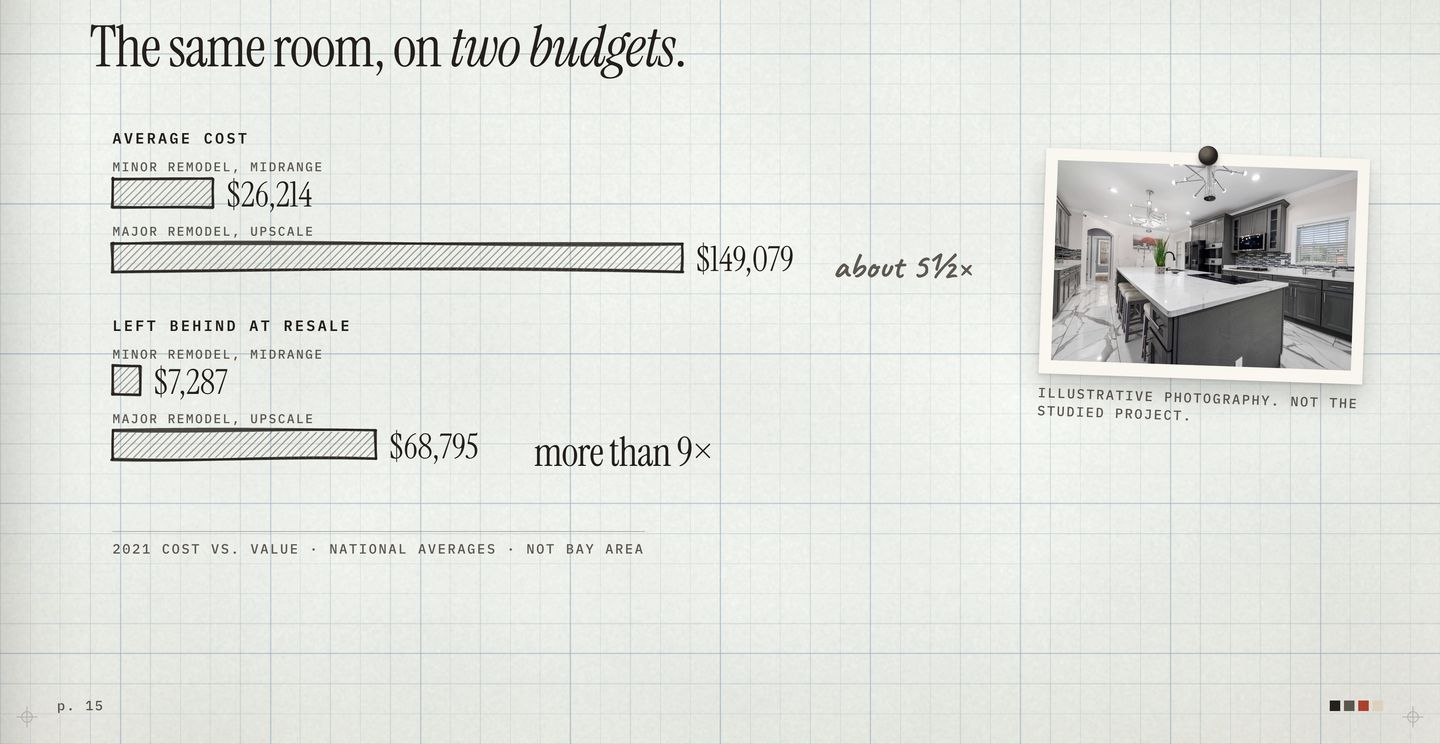
Never subtract one edition from the other; they measure differently. But read the two cuts this post uses, each on its own, and the order is the same. In the 2021 national averages, the refresh returned about 72 cents on the dollar, the midrange gut job about 57 and the upscale gut job about 54. In the 2025 San Francisco metro averages, measured their own way, it was 112.4 percent, 48.5 and 32.1. The bigger the budget, the smaller the share that came back.
What minor means, precisely
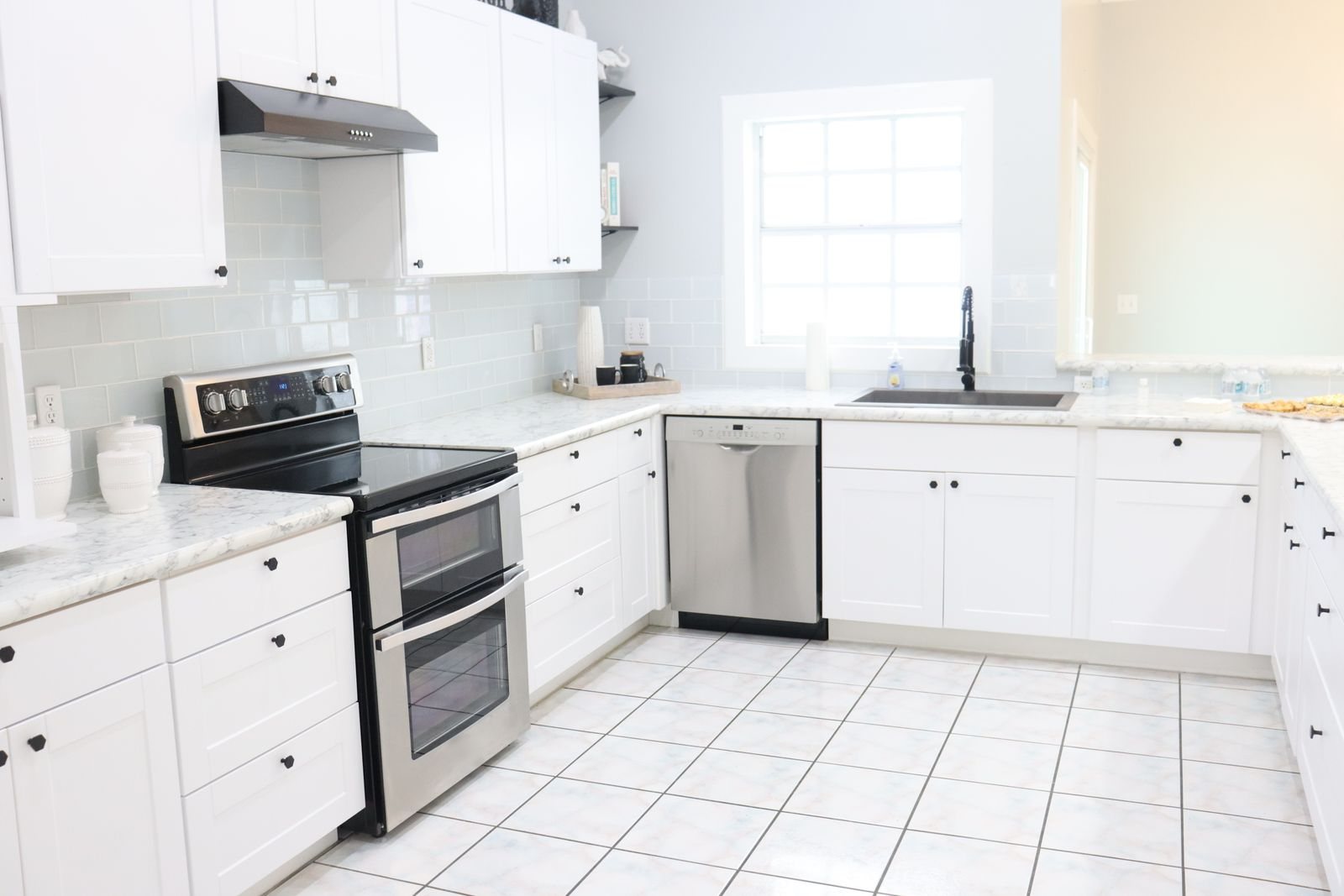
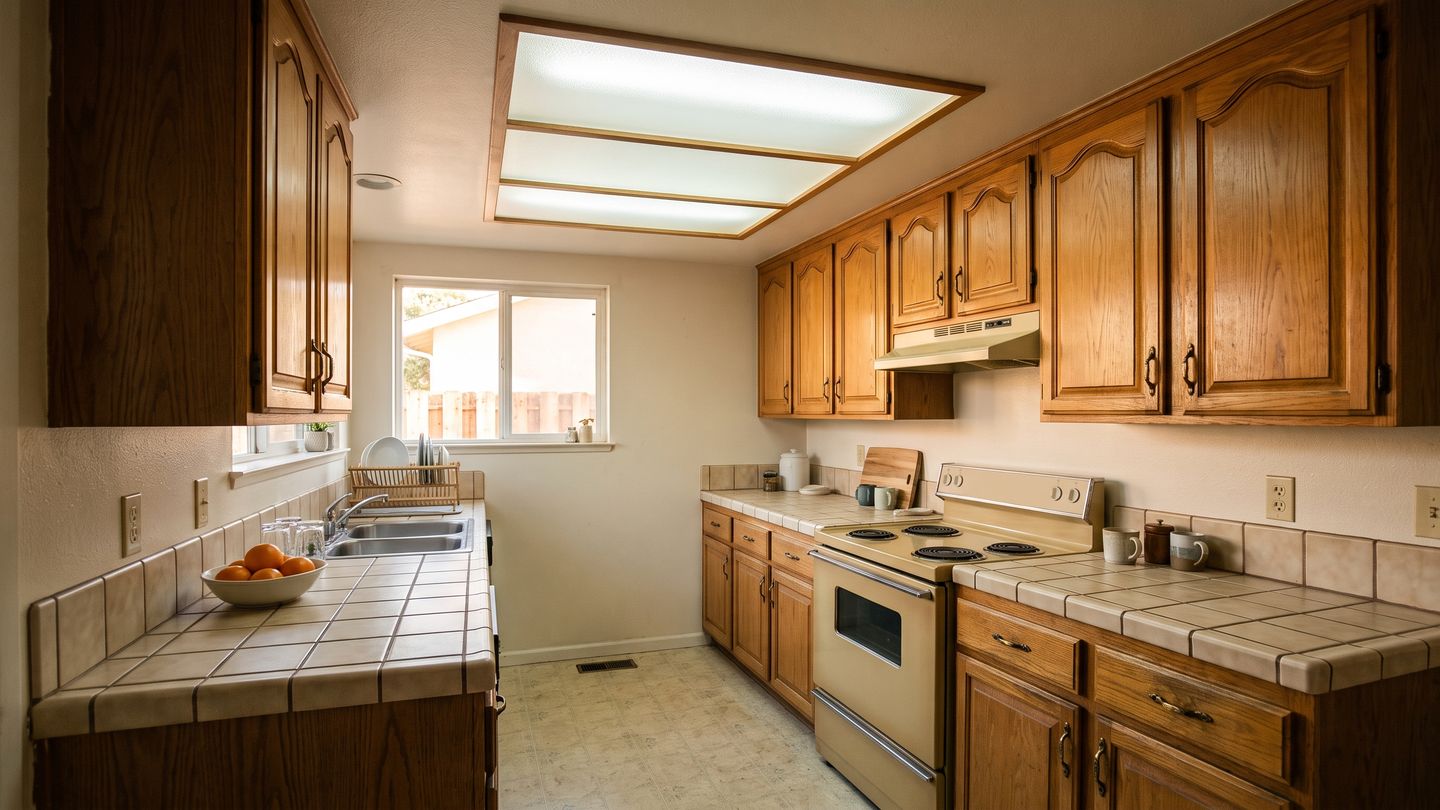
Read the scope before you dream. The 2025 report prices a functional but dated kitchen of about 200 square feet, with 30 linear feet of cabinets and counters. The cabinet boxes stay where they are. The doors and drawer fronts are replaced with new shaker style wood panels and new hardware, a new energy efficient range and refrigerator slide into the old openings, the laminate counters are replaced, a midpriced sink and faucet go in, new resilient flooring goes down, and the walls, trim and ceiling get fresh paint.
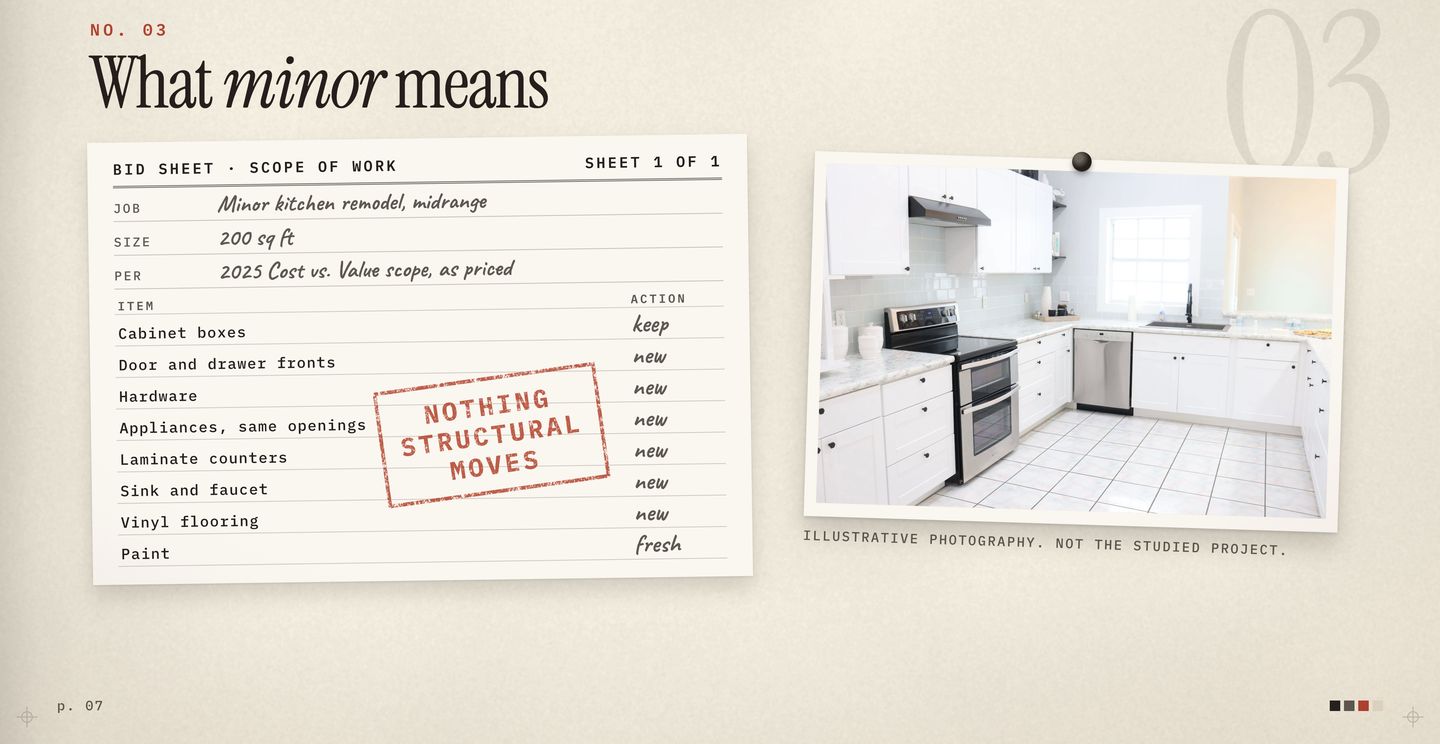
Nothing structural moves, which means the money all lands on surfaces buyers can see, instead of disappearing into demolition, drywall and dumpsters.
That is why it wins. Buyers respond to clean, bright and current, and they pay for what they can see. They do not pay for the dumpster, the new framing or relocated supply lines, because they never see any of it.
Four rules keep a refresh from turning into a remodel
A refresh stays small only if somebody holds the line, and that somebody is you. These are the four rules from my video.
Rule one: the footprint stays. Freeze the layout and you skip demolition, framing and drywall. The price of that is real: you keep the layout the original builder gave you, so if the sink is a long walk from the stove, it stays a long walk.
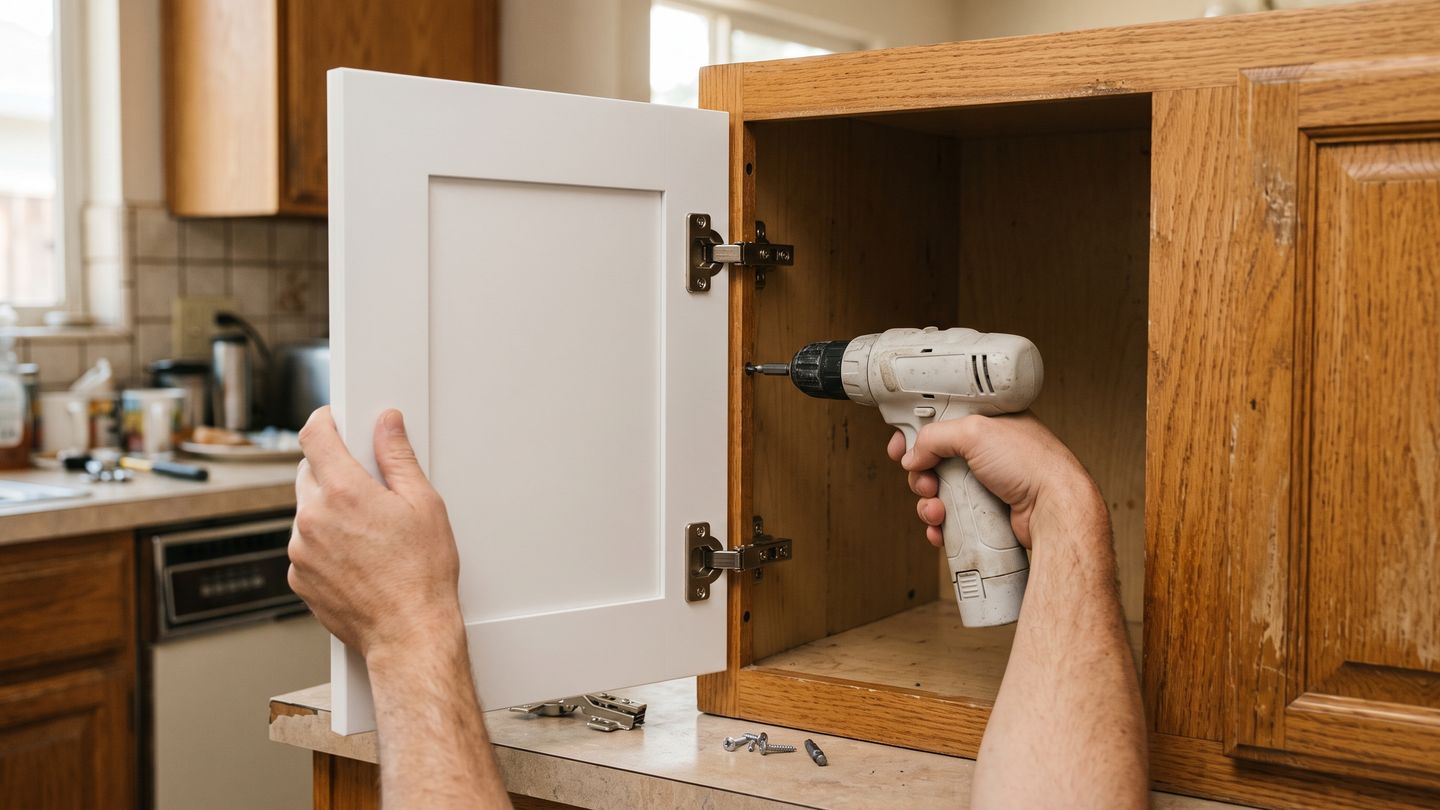
Rule two: every cabinet box stays exactly where it is. The new doors and drawer fronts go on the old boxes.
Rule three: leave the utilities alone. New appliances slide into the old openings, so nobody pulls new circuits or moves a gas line. Move the sink two feet to the left and you are into permits, inspections and licensed trades. So you pass on the pro style range, the second prep sink and the new grid of recessed lights.
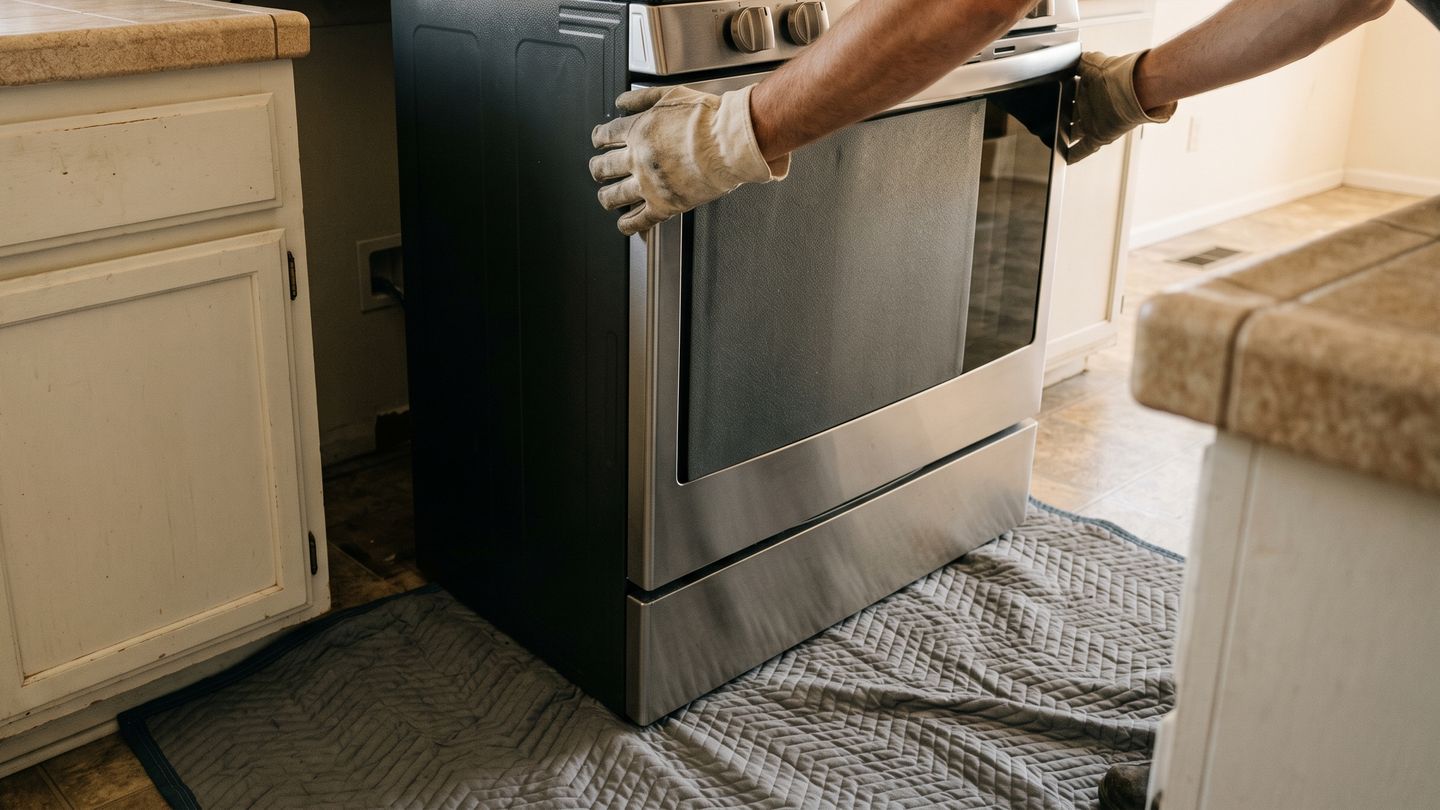
Rule four, the hardest: your own taste stays out of it. Light, neutral finishes with good hardware. Not the dark green cabinets, not the patterned tile. You are choosing for the widest pool of buyers, not for yourself, because buyers reprice bold taste the moment they walk in.
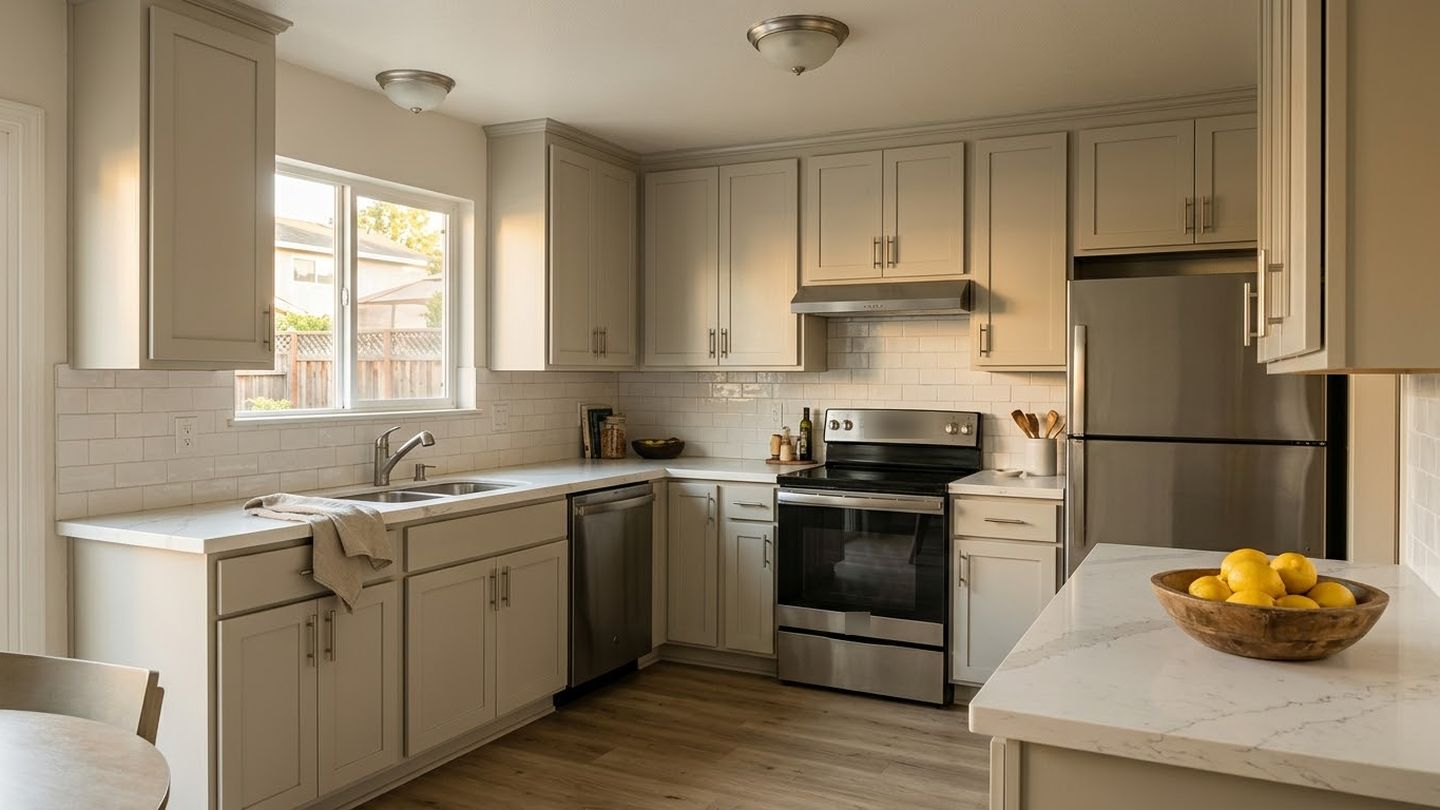
And be honest about what this is. Behind the new fronts, the boxes are the same boxes. It is a cosmetic refresh, not a repair, so replace the boxes only when the boxes are the problem.
The local wrinkles
Two California notes before you call a contractor. First, much of our housing stock predates 1978. In a home built before 1978, anyone paid to do work that disturbs painted surfaces, sanding or scraping old trim for instance, falls under the federal EPA lead safe renovation rules: the firm has to be certified and the crew trained in lead safe work practices. Ask to see the certification before work starts, rather than discovering the issue mid project.

Second, lighting. If the refresh adds, moves or replaces light fixtures, the new lighting has to meet California's energy code, Title 24, which sets specific lighting requirements that reach the kitchen, from high efficacy fixtures to dimming controls and under cabinet lights that switch separately from the ceiling lights. A good contractor prices that in rather than discovering it at inspection.
My read, by your timeline
Selling within about two years: if the kitchen is functionally fine but visually stuck in 2005, this refresh, or even just the paint, hardware and counter subset of it, is the highest impact interior move available to you. Then let pricing do the heavy lifting, because getting the list price right moves more money than any cabinet.
Staying a while: the minor remodel is still the rational default, and the difference between it and the gut job funds a very nice vacation every year for a decade. Save the full remodel for a kitchen that is genuinely hard to cook in, and if you are tempted anyway, read the major kitchen breakdown first with clear eyes. At that point the decision is about daily life, not resale.
Either way, cabinet fronts and appliances have lead times. Start the conversation six to twelve months before you plan to list, and know what your home is worth before you spend a dollar on its kitchen.
The full ranking is in the Remodel Math pillar. Test your quote:
What would this minor kitchen remodel quote get back?
I apply the 2025 San Francisco metro recoup average for this project, about 112.4 percent, to your real number. A planning picture before you sign, not a valuation.
On the 2025 San Francisco metro average, this project carries its own cost and then some. Timed just before listing, it is one of the few checks that can come back larger than it went out.
A planning illustration, not a valuation, appraisal or promise of any outcome. It applies one published metro average (2025 Cost vs. Value Report, Zonda Media / Remodeling, San Francisco metro) to the number you typed, nothing more. Whether a specific project pays on your specific house depends on condition, block and timing; that conversation belongs in a pre listing consult with real comparable sales.
Sources
- Cost vs. Value Report 2025, San Francisco metro (Zonda Media / Remodeling): jlconline.com/cost-vs-value/2025/pacific/san-francisco-ca
- Cost vs. Value Report 2021, San Francisco metro and national averages: jlconline.com/cost-vs-value/2021/pacific/san-francisco-ca
- Cost vs. Value project description, Minor Kitchen Remodel, Midrange: jlconline.com/cost-vs-value/minor-kitchen-remodel-midrange
- U.S. EPA, Lead Renovation, Repair and Painting Program: epa.gov
- California Energy Commission, 2025 Energy Code single family lighting certificate (CF2R-LTG-01-E): energy.ca.gov
Harv Balu, REALTOR®
- Cell / Text: (510) 600-3425
- Email: homes@HarvRealtor.com
- Web: HarvRealtor.com
- REALTY EXPERTS®, 41051 Mission Blvd, Fremont, CA 94539, DRE# 02195792
Disclosures
This information is educational and general in nature and is not a bid, valuation, appraisal, or guarantee of any outcome. Cost and resale figures are published averages from the Zonda Media and Remodeling magazine Cost vs. Value Report, cited by edition year and geography in the text, current as of August 2026; the report's methodology changed between editions, so figures from different years are not comparable. Permit, lead safety and energy code notes describe general practice as of October 2026 and vary by city; they are not legal advice, so verify with your local building department and licensed contractors. Equal Housing Opportunity. Information deemed reliable but not guaranteed.
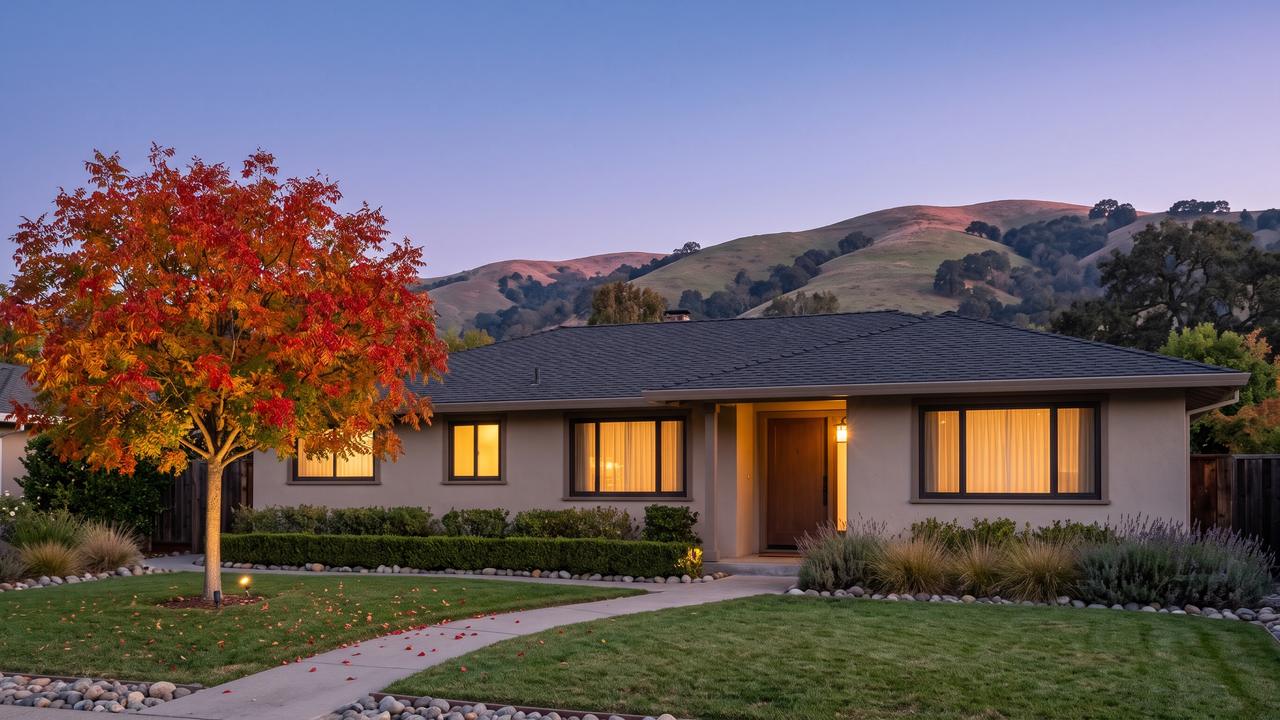
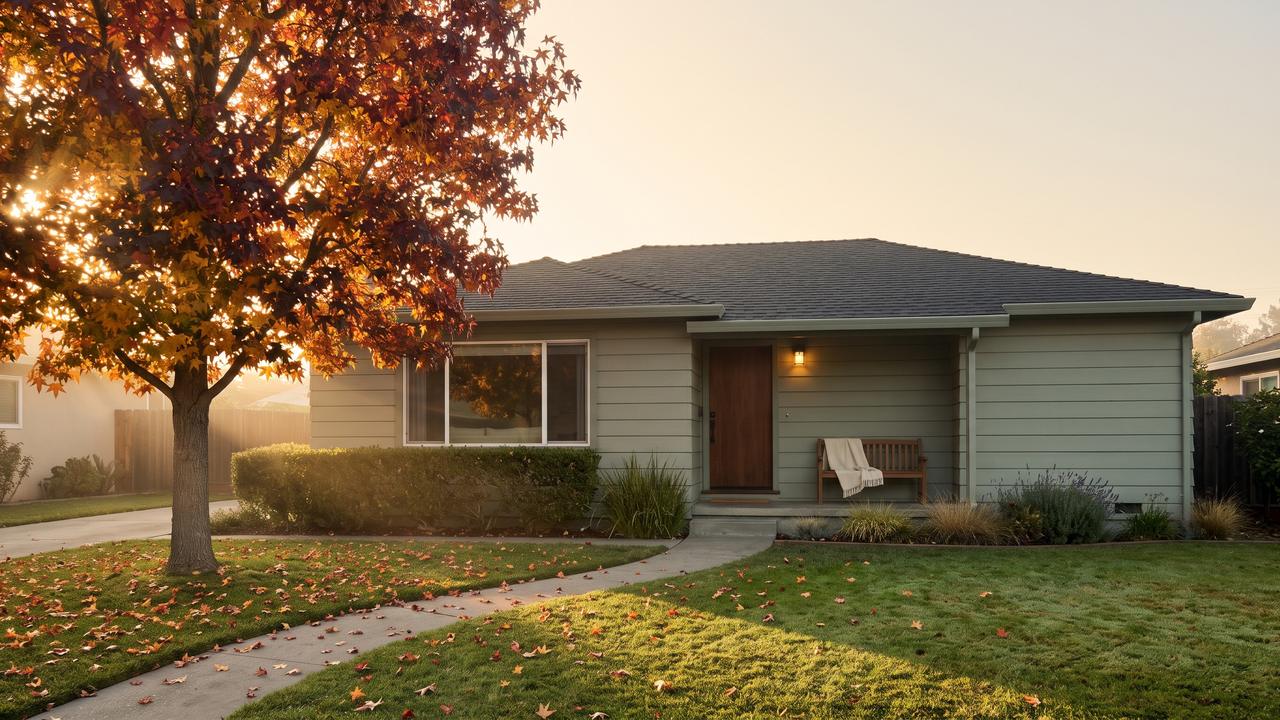
About the images: the header image is a stock photograph. The other pictures in this post come from my video on this topic. The photo style scenes are AI illustrations generated with Google Gemini, and the notebook pages are drawn in code from the published Cost vs. Value averages, with a licensed stock photo pinned on two of them as an illustration. None of them shows a real home, a listing or a project from the Cost vs. Value study.
Minor kitchen remodel questions I hear weekly
What counts as a minor kitchen remodel?
In the Cost vs. Value study, minor means the layout stays put and the boxes stay put. The 2025 description starts with a functional but dated kitchen of about 200 square feet: the cabinet boxes stay, the doors and drawer fronts are replaced with new shaker style panels and new hardware, an energy efficient range and refrigerator go into the old openings, the laminate counters are replaced, a midpriced sink and faucet go in, new resilient flooring goes down, and the walls, trim and ceiling are painted. No walls move, no plumbing relocates, no cabinets are torn out. That discipline is exactly why the economics work: you are buying the visual transformation without the demolition, the permits or the surprise costs that live inside walls.
Is a minor kitchen remodel worth it before selling a Bay Area home?
It is one of the few interior projects the current data supports. The 2025 Cost vs. Value Report shows the minor midrange kitchen in the San Francisco metro costing about 31,804 dollars and returning about 35,753 dollars at resale, a 112.4 percent recoup, while the major midrange version returned 48.5 percent. If your kitchen's bones are fine and its surfaces are dated, the refresh photographs nearly as well as a gut job at a third of the price. Whether your specific kitchen needs it is a walkthrough question, not a catalog question.
Do I need a permit for a minor kitchen remodel in California?
Often not for the core of it. Like for like finish work, cabinet refacing, countertops and appliance swaps in existing locations generally fall below the permit line in most Bay Area cities. The moment you touch plumbing locations, add circuits, or move gas, you are into permitted work, and California's Title 24 has requirements for kitchen lighting when you get into electrical scope. Rules vary by city, so a two minute call to your building department before signing a contract is cheap insurance.
Should I replace my kitchen cabinets or just the doors before I sell?
If the boxes are sound, keep them. The minor remodel in the 2025 Cost vs. Value description leaves the cabinet boxes in place and replaces only the door and drawer fronts and the hardware, and that is the project that cleared its cost in the 2025 San Francisco metro data. New boxes usually mean demolition, new counters and often plumbing and electrical work, which is the expensive end of the remodel spectrum. Replace the boxes only when the boxes are the problem: water damage under the sink, sagging shelves, sides coming apart, or a layout that genuinely does not work. A walkthrough before you list tells you which kind of kitchen you have.

Harv Balu
REALTOR® | GRI, CIPS, PSA, FTBS · REALTY EXPERTS®
CA DRE# 02195792
Read every post in HarvRealtor, my free app, and the words read offline. Download it free from the App Store® (opens in new tab) or Google Play™ (opens in new tab).