The Wood Deck: Buying California Outdoor Living at 91.9 Percent Back
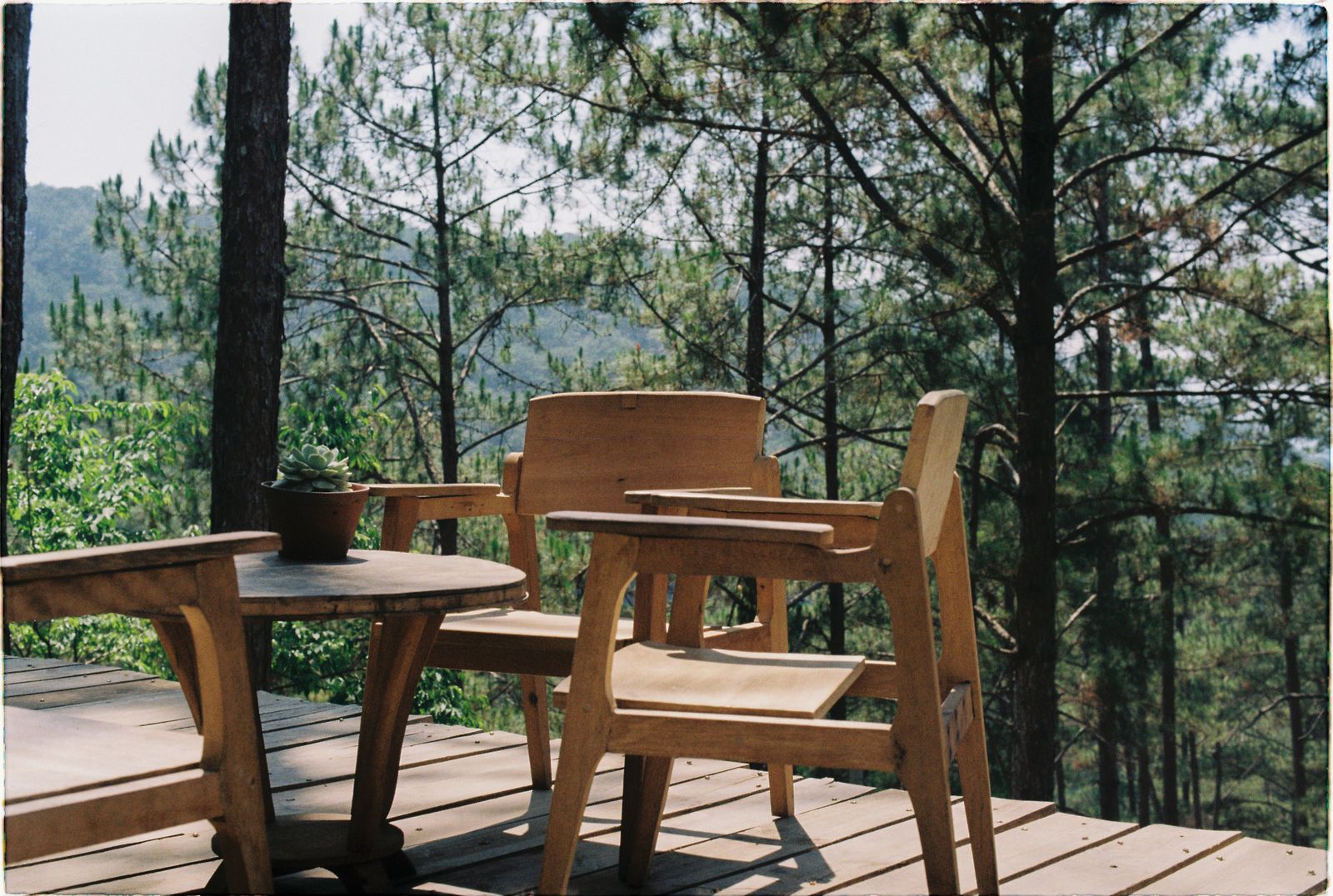
In most of the country a deck is a June through September purchase. In the Tri-City it is a February through November room with no walls, which is why the payback math here embarrasses the national numbers.
The numbers, with their year stamps
The 2021 national edition the course studied priced a 16 by 20 foot pressure treated deck at 16,766 dollars with a 65.8 percent recoup. The 2025 San Francisco metro row: about 20,059 dollars, about 18,425 dollars credited at resale, 91.9 percent, with the Pacific region actually clearing breakeven.
Wood deck addition: the 2025 payback picture
Source: 2025 Cost vs. Value Report, Zonda Media / Remodeling. San Francisco metro, Pacific region and national data as published at jlconline.com. © 2025 Zonda Media, a Delaware corporation. Percentages are averages for professionally installed projects across a whole metro, and the report's methodology changed between editions, so treat every figure as a planning signal with a year stamp, never a promise for any specific house.
That is the best outdoor result on the entire twenty project board, and it is not subtle why. Buyers here pay for indoor outdoor living the way buyers elsewhere pay for basements.
What the studied project includes
A 16 by 20 foot pressure treated deck with railings, built in bench and stairs, professionally installed. Around 320 square feet of new living area at a per foot cost no interior addition can touch. The quoted price assumes proper footings and, critically, proper attachment to the house, the ledger detail that separates real construction from weekend improvisation.
The local wrinkles
Permits first: attached decks and anything meaningfully off grade are permitted work in our cities, inspections included, and the ledger connection is precisely what inspectors exist to check. An unpermitted deck follows the house forever as a disclosure footnote. Second, sun: our exposure is brutal on horizontal wood, so the two to three year sealing cycle is real, not a suggestion. Third, fire: in and near mapped wildfire zones, deck materials and the zone underneath the deck come under the ignition resistance rules, which is one of several reasons the composite version deserves a look before you commit. Condo and townhouse owners, note that elevated wood structures in multifamily buildings live under their own state inspection regime; that is an HOA conversation before it is a contractor one.
My read, by your timeline
Selling soon: do not build a deck to sell a house; build a story instead. If a deck exists, reseal it, stage it with a table and string lights, and let the photographer make it a room. If none exists, a clean patio setup on the existing slab captures most of the lifestyle photo for hundreds, not thousands.
Staying a while: this is one of the happiest purchases on the whole board, a project whose value you consume every warm evening and whose cost mostly comes back anyway. Choose wood if the maintenance rhythm suits you, and read the composite comparison honestly before deciding.
What would this wood deck addition quote get back?
I apply the 2025 San Francisco metro recoup average for this project, 92 percent, to your real number. A planning picture before you sign, not a valuation.
Plan on about $1,634 of this quote staying in the house on the metro average. If the sale is this close, that money usually works harder in prep, paint and pricing than in a project the next owner reprices anyway.
A planning illustration, not a valuation, appraisal or promise of any outcome. It applies one published metro average (2025 Cost vs. Value Report, Zonda Media / Remodeling, San Francisco metro) to the number you typed, nothing more. Whether a specific project pays on your specific house depends on condition, block and timing; that conversation belongs in a pre listing consult with real comparable sales.
Harv Balu, REALTOR®
- Cell / Text: (510) 600-3425
- Email: homes@HarvRealtor.com
- Web: HarvRealtor.com
- REALTY EXPERTS®, 41051 Mission Blvd, Fremont, CA 94539, DRE# 02195792
Disclosures
This information is educational and general in nature and is not a bid, valuation, appraisal, or guarantee of any outcome. Cost and resale figures are published averages from the Zonda Media and Remodeling magazine Cost vs. Value Report, cited by edition year and geography in the text, current as of August 2026; the report's methodology changed between editions, so figures from different years are not comparable. Permit and code notes describe general California practice; verify requirements with your local building department. Equal Housing Opportunity. Information deemed reliable but not guaranteed.
Deck questions from Bay Area backyards
Does adding a deck increase home value in the Bay Area?
It holds value unusually well here. The 2025 Cost vs. Value Report shows a wood deck addition in the San Francisco metro costing about 20,059 dollars and returning about 18,425 dollars at resale, a 91.9 percent recoup, the strongest outdoor number on the board. The climate is the reason: a deck in our market is not a summer feature, it is a ten month room, and buyers price usable square footage they can see themselves living on. As always, the figure is a metro average for a studied scope, not a quote for your yard.
Do I need a permit to build a deck in California?
Usually, and the thresholds are specific: decks above a certain height off grade, attached to the structure, or supporting loads generally require permits and inspections in Bay Area cities, while very low freestanding platforms sometimes do not. Ledger attachment, the connection between deck and house, is where unpermitted work fails inspections and where real structural failures happen. When you eventually sell, an unpermitted deck becomes a disclosure item and an appraisal question, so build it on paper the first time.
How much maintenance does a wood deck really need?
Plan on cleaning and resealing or restaining roughly every two to three years in our sun, plus periodic board and fastener attention. That cycle is the honest cost of wood's lower purchase price, and it is exactly what the composite alternative sells against. A wood deck maintained on schedule stays beautiful for decades; one ignored for six years grays, splinters, and shows up in buyer photographs as work. Budget the maintenance or buy the material that does not need it.

Harv Balu
REALTOR® | GRI, CIPS, PSA, FTBS · REALTY EXPERTS®
CA DRE# 02195792
Read every post in HarvRealtor, my free app, and the words read offline. Download it free from the App Store® (opens in new tab).