The Composite Deck: Paying Extra to Never Sand Again, and What the Market Repays
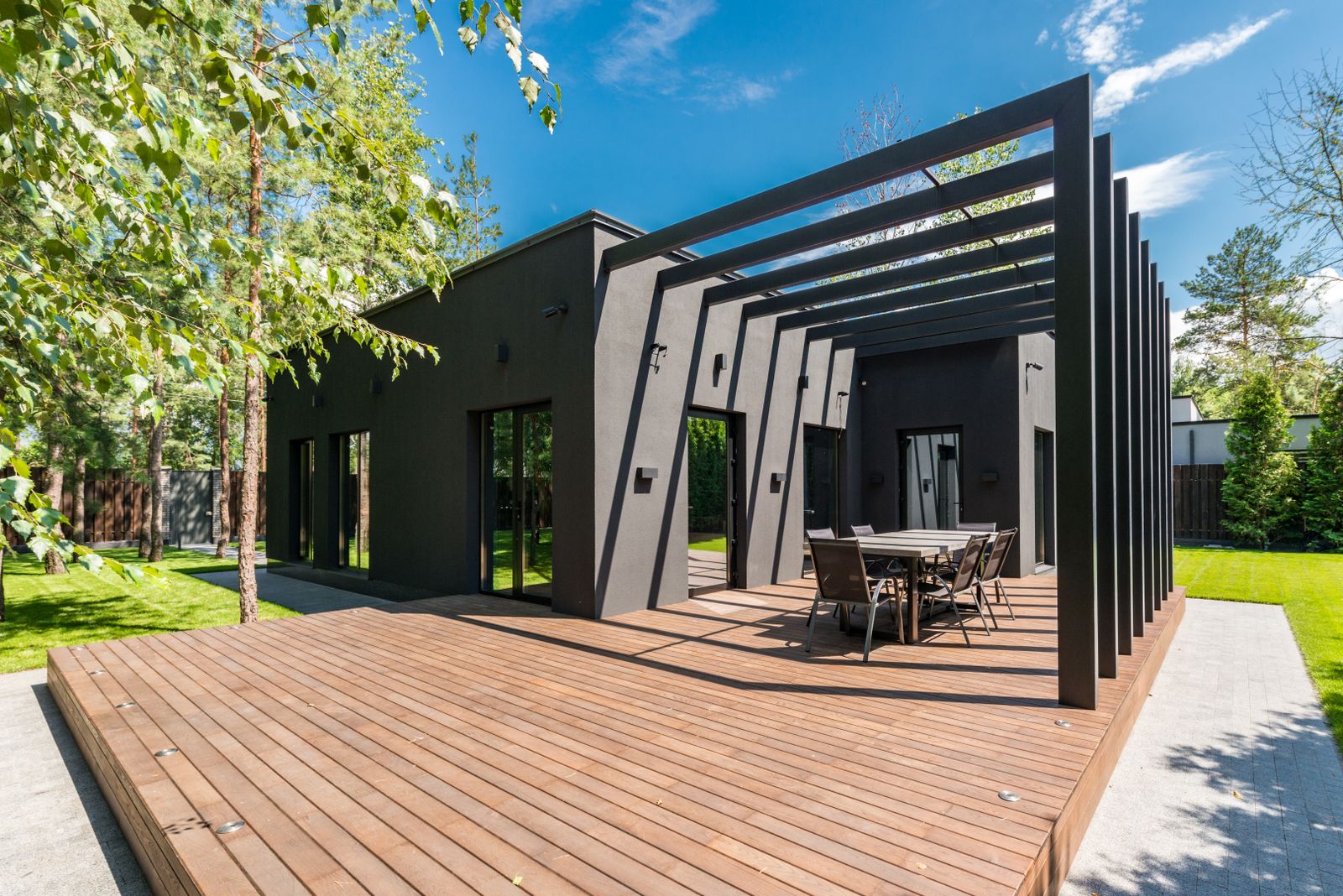
Every composite decking brochure sells the same photo: a family relaxing while their neighbor sands. The brochure is honest about the weekends. It is silent about the resale math, so here it is.
The numbers, with their year stamps
The 2021 national edition priced the composite deck at 22,426 dollars with a 63.2 percent recoup, tenth of twenty. The 2025 San Francisco metro row: about 29,392 dollars spent, about 19,614 dollars credited, 66.7 percent, with roughly 9,800 dollars staying in the backyard.
Composite deck addition: the 2025 payback picture
Source: 2025 Cost vs. Value Report, Zonda Media / Remodeling. San Francisco metro, Pacific region and national data as published at jlconline.com. © 2025 Zonda Media, a Delaware corporation. Percentages are averages for professionally installed projects across a whole metro, and the report's methodology changed between editions, so treat every figure as a planning signal with a year stamp, never a promise for any specific house.
Its wood sibling returned 91.9 percent in the same metro data at about 9,000 dollars less. Same footprint, same evenings outside, very different checkbook story.
What the premium actually purchases
Zero sealing. Zero staining. No splinters, no gray out, boards that look in year twelve roughly as they did in year one, minus some fading. Capped composites shrug off our sun in a way wood simply does not. The premium is not decoration; it is the permanent cancellation of a chore that owns wood deck owners every couple of years.
The market, though, pays for what it can see in photographs, and photographs cannot show absence of maintenance. That is the entire recoup gap explained.
The local wrinkles
Permits and the ledger detail apply exactly as with wood. Two composite specific notes. Heat: darker composite boards get genuinely hot barefoot in full Tri-City sun, so pick lighter colors for south and west exposures. Fire: several composite lines carry listings for use in mapped wildfire zones where deck surfaces fall under the ignition resistance rules, which can make composite the easier compliance and insurance story on hillside properties; ask for the documentation rather than the brochure claim.
My read, by your timeline
Selling soon: nobody builds a composite deck weeks before listing; the math forbids it. If you already own one, feature the no maintenance line in the marketing, because the one buyer segment that notices, notices hard.
Staying a decade: this is a lifestyle purchase with a defensible story. Take the 25,000 dollar version of your dreams, subtract what the wood version costs, and ask whether never sanding again is worth the difference to your family. It often is. Just log it as a comfort buy on the big board, not an investment.
What would this composite deck addition quote get back?
I apply the 2025 San Francisco metro recoup average for this project, 67 percent, to your real number. A planning picture before you sign, not a valuation.
Plan on about $9,778 of this quote staying in the house on the metro average. If the sale is this close, that money usually works harder in prep, paint and pricing than in a project the next owner reprices anyway.
A planning illustration, not a valuation, appraisal or promise of any outcome. It applies one published metro average (2025 Cost vs. Value Report, Zonda Media / Remodeling, San Francisco metro) to the number you typed, nothing more. Whether a specific project pays on your specific house depends on condition, block and timing; that conversation belongs in a pre listing consult with real comparable sales.
Harv Balu, REALTOR®
- Cell / Text: (510) 600-3425
- Email: homes@HarvRealtor.com
- Web: HarvRealtor.com
- REALTY EXPERTS®, 41051 Mission Blvd, Fremont, CA 94539, DRE# 02195792
Disclosures
This information is educational and general in nature and is not a bid, valuation, appraisal, or guarantee of any outcome. Cost and resale figures are published averages from the Zonda Media and Remodeling magazine Cost vs. Value Report, cited by edition year and geography in the text, current as of August 2026; the report's methodology changed between editions, so figures from different years are not comparable. Permit, fire zone and insurance notes describe general California practice; verify with your local building department and insurer. Equal Housing Opportunity. Information deemed reliable but not guaranteed.
Composite deck questions, decided honestly
Is a composite deck worth the extra money over wood?
Not as a resale play. The 2025 Cost vs. Value Report shows the composite deck in the San Francisco metro costing about 29,392 dollars and returning about 19,614 dollars, a 66.7 percent recoup, while the wood version returned 91.9 percent at a lower cost. What the premium actually buys is the elimination of the sealing and sanding cycle for the life of the deck. If you will own the deck for a decade, that is hundreds of hours of your life. Buy composite for your weekends, not for the appraisal.
Do buyers care whether a deck is wood or composite?
Buyers care that it is beautiful and solid; the material registers second, if at all. A freshly sealed wood deck and a quality composite deck photograph almost identically, which is exactly why the market does not repay the composite premium. The one audience that reliably notices is the owner who has maintained a wood deck before and swore never again; for that buyer, composite is a quiet selling point worth a line in the listing. It is a tiebreaker, not a price mover.
Is composite decking better in California fire areas?
It can be, with the right product. In mapped wildfire severity zones, deck walking surfaces come under the ignition resistance requirements, and several composite lines are tested and listed for exactly that use, while standard wood decking is more exposed in that conversation. If your home is in or near a mapped zone, ask for the product's fire listing documentation and keep it with your disclosure file. Material choice under a deck, and the clear zone beneath it, matter to both the code and your insurer.

Harv Balu
REALTOR® | GRI, CIPS, PSA, FTBS · REALTY EXPERTS®
CA DRE# 02195792
Read every post in HarvRealtor, my free app, and the words read offline. Download it free from the App Store® (opens in new tab).