The Metal Roof: Pay Almost Twice as Much, Recoup Less, and Sometimes Be Right Anyway
This is the worst roofing math on the board, and I will still recommend it to certain owners without blinking. Both halves of that sentence are true, which makes this the clearest lesson in the series about what recoup percentages can and cannot decide.
Prefer to watch? Press play below. My video walkthrough runs under seven minutes, including three questions to ask any metal roofer before you sign.
The numbers, with their year stamps
The 2021 national edition priced a metal roof at 46,031 dollars with a 56.1 percent recoup, sixteenth of the twenty course projects and the lowest exterior project on the list, and Bay Area quotes run higher than that national figure. The 2025 San Francisco metro row, the metro that includes Fremont, Newark and Union City: about 64,936 dollars, about 30,727 dollars back, 47.3 percent. Roughly 34,000 dollars of the average project does not return.
The studied job is a big one: 30 squares, which is 3,000 square feet, of standing seam metal with a ridge vent and all the accessories and underlayment. The weak number is not a Bay Area quirk, either, since the same 2025 edition shows 51.0 percent for the Pacific region and 50.1 percent nationally. Zonda changed its method between editions, so read 2025 as a snapshot, not a forecast for your house.
Metal roof: the 2025 payback picture
Source: 2025 Cost vs. Value Report, Zonda Media / Remodeling. San Francisco metro, Pacific region and national data as published at jlconline.com. © 2025 Zonda Media, a Delaware corporation. Percentages are averages for professionally installed projects across a whole metro, and the report's methodology changed between editions, so treat every figure as a planning signal with a year stamp, never a promise for any specific house.
Compare the asphalt shingle route. In the same 2025 metro data, shingles cost about 38,289 dollars and were credited about 27,747 dollars, 72.5 percent: about sixty percent of metal's cost for nearly the same resale credit. Metal cost about 27,000 dollars more and was credited only about 3,000 dollars more. In the 2021 national figures, shingles ran 28,256 dollars at 60.7 percent. On the published averages, shingles win and it is not close.
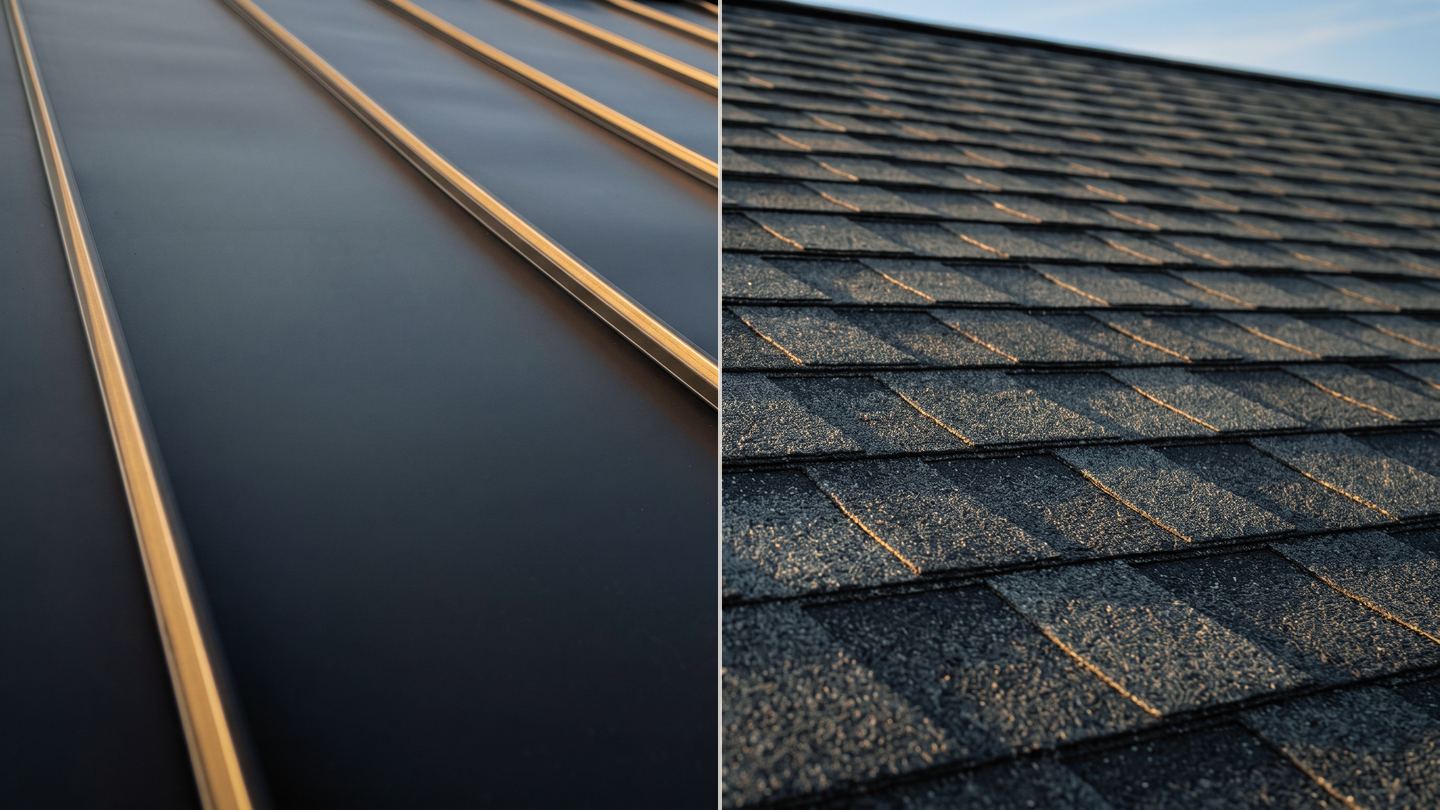
Why so little credit for so much metal? On a typical flatland street, buyers see a roof, register that it is newer, and pay little extra for the material itself.
The case the averages cannot see
Two arguments buy metal anyway, and neither one shows up in a resale average.
Argument one: time
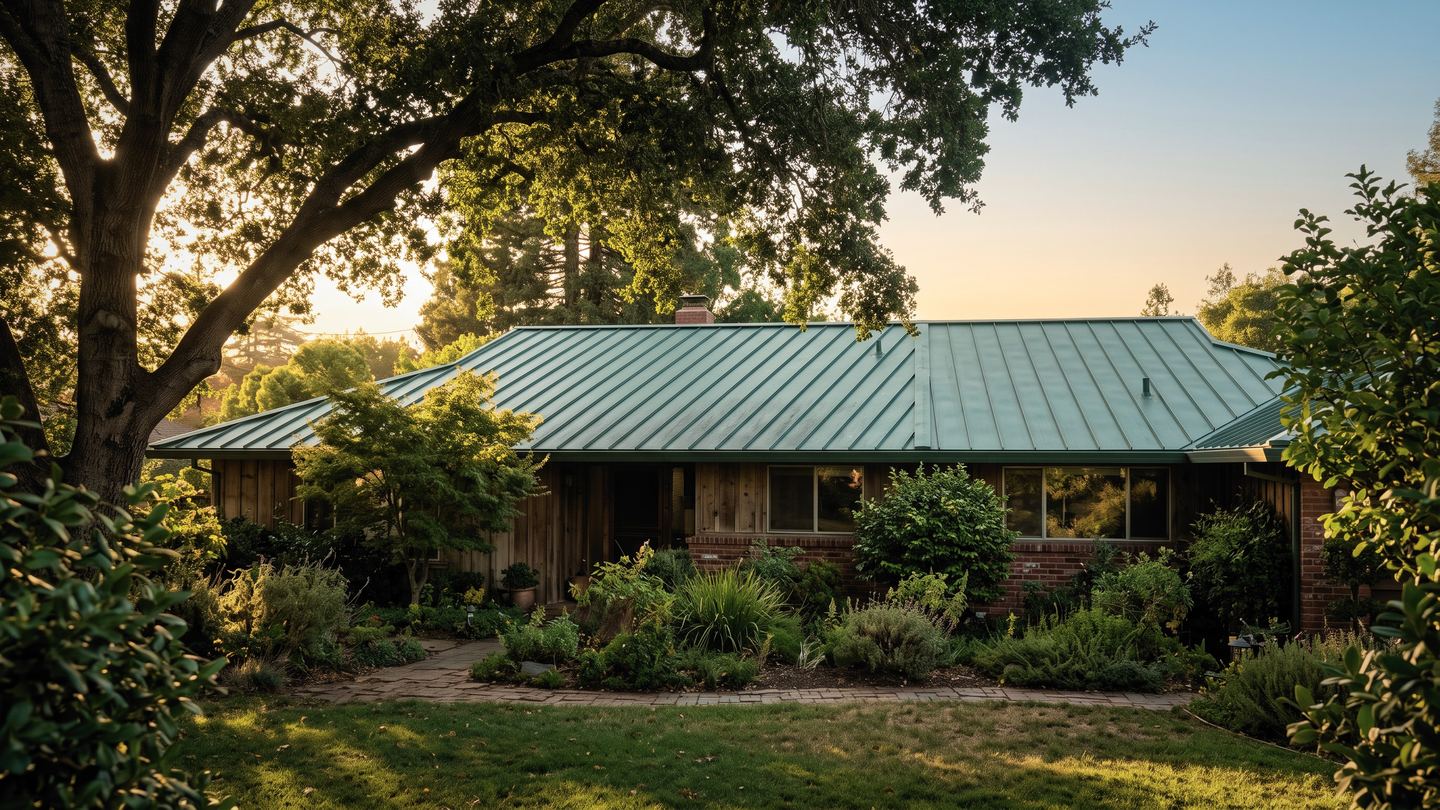
The first is the horizon. A U.S. Department of Energy guide says a metal roof can last fifty years or more, and asphalt shingles usually run about twenty to thirty. Those are estimates, not promises, and the warranties run shorter than that. Still, a forty year old owner staying put may never roof again. Amortize the premium across that horizon and the annual cost of ownership can quietly beat a shingle roof you will replace once more, maybe twice. The resale number cannot see that line; it only sees the day you sell.
Argument two: fire
The second is fire. Wildfire researchers at IBHS say most homes that burn are lit by wind blown embers, not by the wall of flames reaching the house, and embers can travel more than a mile ahead of a fire. A metal panel cannot burn, which is why metal keeps appearing on hardened hillside homes. But embers still find leaves in a gutter, debris on the roof and gaps at the vents, so the panel is only part of the answer.
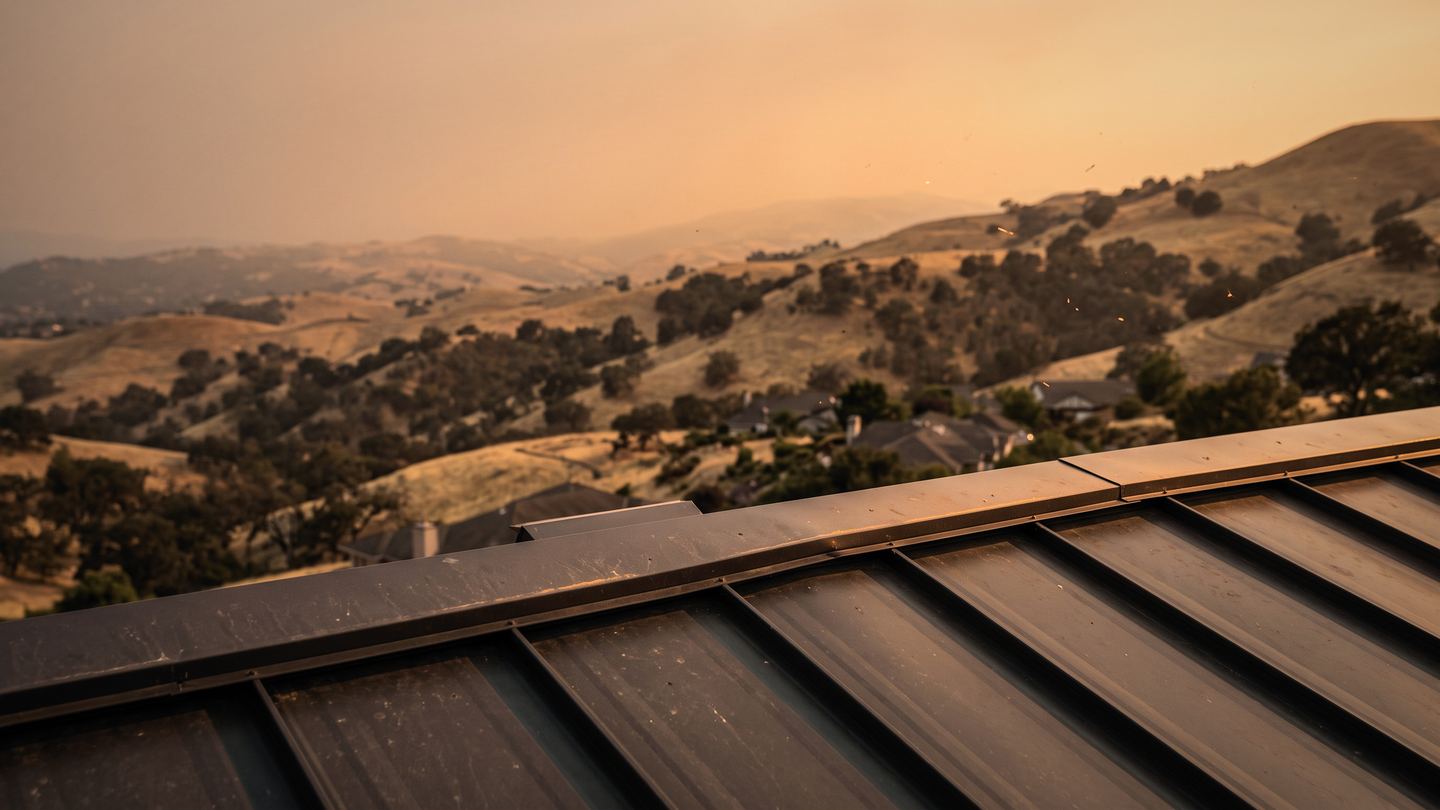
The code sets the floor. In a mapped High or Very High fire hazard severity zone, replacing a roof, or half or more of it within twelve months, generally means a Class A roof under California's wildfire building rules, which since January 1, 2026 live in the California Wildland-Urban Interface Code. Over a wood deck, which is what most Bay Area houses have, metal gets there as a tested assembly, usually with a fire rated underlayment or a gypsum board under the panels, so ask for the listing that matches your roof.
Insurance is the other half. California requires insurers whose rates use wildfire risk to factor in a Class A roof, along with things like ember resistant vents. A Class A asphalt shingle roof counts too, and what any of it is worth on your policy varies, so ask your insurer before you count on a discount.
Put together, on the right hillside street the roof is not an upgrade; it is the answer to the first question every cautious buyer asks. On a flatland tract, a newer roof is just a newer roof.
The local wrinkles
Permits apply as with any re roof, and assembly documentation matters more here than with shingles, because the fire performance lives in the details: the underlayment, the edge metal, the gutters and the vents. Keep every spec sheet and the tested listing for your assembly; they are what proves the rating when you insure or sell.
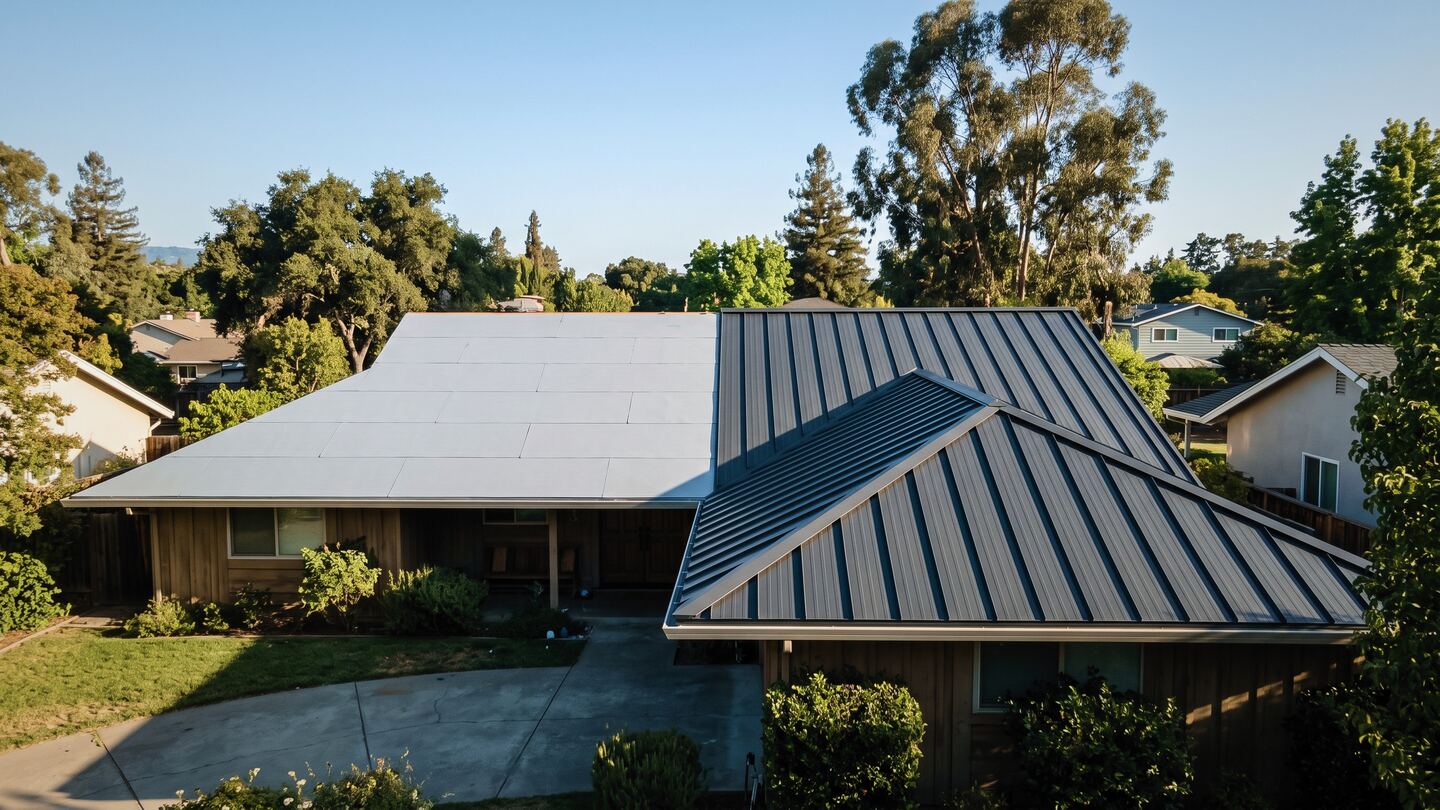
In San Jose and Milpitas, which sit in the energy code's Climate Zone 4, replacing more than half of a roof usually means the new roofing has to meet the state's cool roof standard. Many painted metal colors pass, even some dark ones, but only with a Cool Roof Rating Council rating for that exact color; an unrated color does not count. Most of Fremont, Newark and Union City sits in Climate Zone 3, outside that rule, and so does most of Hayward apart from a sliver of its east hills. Low slope roofs in San Jose and Milpitas face a much higher bar, close to white.
On architecture, standing seam flatters modern and farmhouse lines and argues with ornate traditional ones, so let the house vote. Near the Bay, read the finish warranty for salt spray exclusions before you count on it, and in a condo, or a townhome community where the association owns the roofs, the HOA decides, so start there. And expect the quote spread between roofers to be wide; this is specialty work and installer quality is the product.
Three questions to ask any metal roofer before you sign
On this roof, the installer is the product, so make every bid answer these three.
- What makes this roof Class A, and will I get the tested listing for that exact assembly?
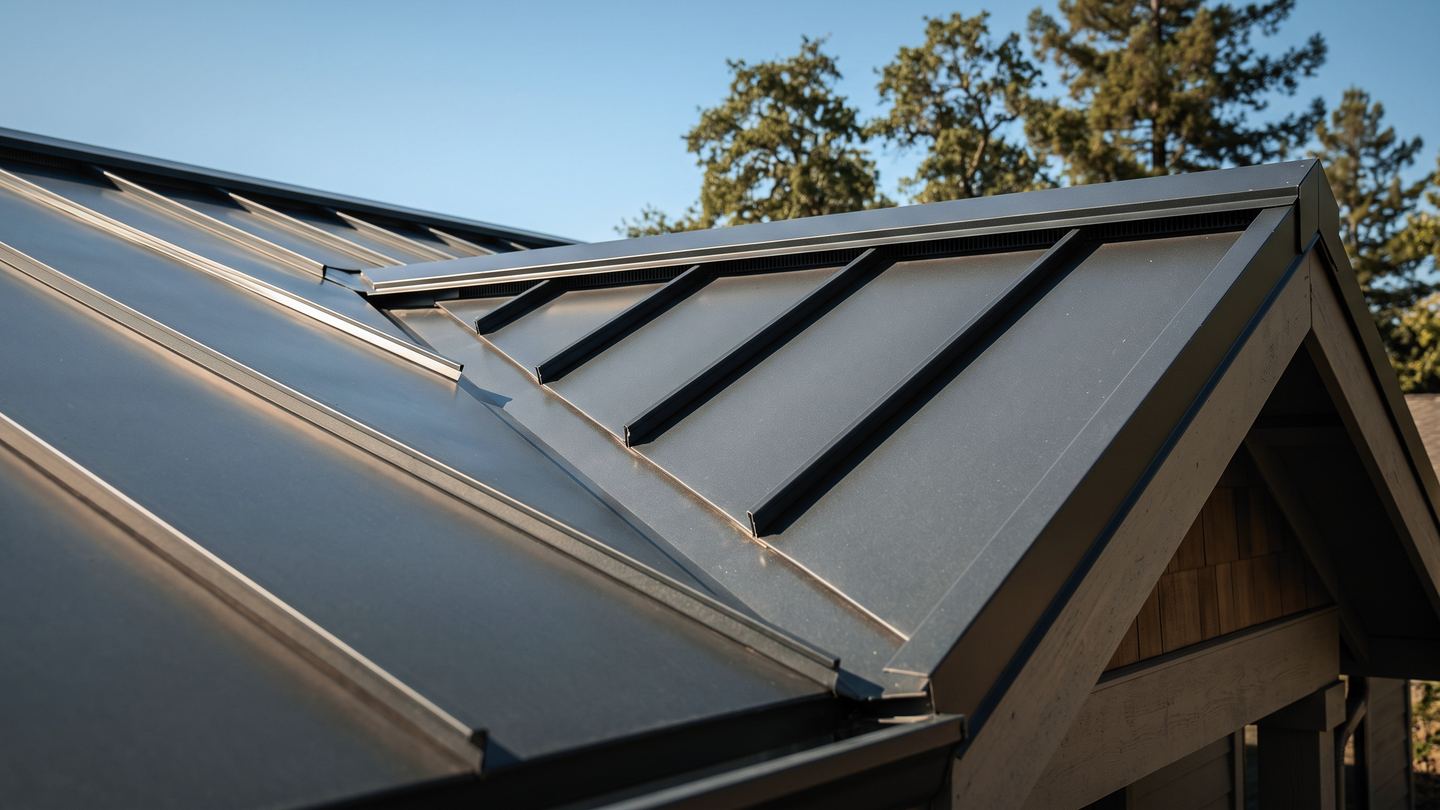
- Is it a snap lock panel, or mechanically seamed, folded shut with a tool on site? And what gauge is the steel? A lower number means thicker metal, 24 and 26 gauge both show up on homes, and seamed panels are generally rated for flatter roofs.
- Who backs what? The paint finish, the steel itself and the roofer's workmanship carry separate warranties. Get all three in writing, and ask whether they transfer when you sell.
My read, by your timeline
Selling within a few years: do not buy this roof for the market. If replacement is forced, shingles return more of the check and usually clear the same insurance questions. Selling inside ten years, you are mostly buying the next owner a very nice gift.
Staying decades, or hardening a hillside home: metal is one of the few projects where the right answer ignores its own recoup number. Buy it for the fifty year horizon and the ember story, and treat whatever the eventual sale returns as a rebate on peace of mind.
Got a metal quote? Run it through the calculator below against the 2025 metro average. And if you are selling in the next few years, call me before you pick a roof.
What would this metal roof quote get back?
I apply the 2025 San Francisco metro recoup average for this project, about 47.3 percent, to your real number. A planning picture before you sign, not a valuation.
Plan on about $34,209 of this quote staying in the house on the metro average. If the sale is this close, that money usually works harder in prep, paint and pricing than in a project the next owner reprices anyway.
A planning illustration, not a valuation, appraisal or promise of any outcome. It applies one published metro average (2025 Cost vs. Value Report, Zonda Media / Remodeling, San Francisco metro) to the number you typed, nothing more. Whether a specific project pays on your specific house depends on condition, block and timing; that conversation belongs in a pre listing consult with real comparable sales.
Sources
- Cost vs. Value Report 2025, San Francisco metro (Zonda Media / Remodeling): jlconline.com/cost-vs-value/2025/pacific/san-francisco-ca
- U.S. Department of Energy, Building America Solution Center, Metal Roofs: basc.pnnl.gov
- InterNACHI, Estimated Life Expectancy Chart for Homes: nachi.org
- IBHS, Wildfire Prepared: wildfireprepared.org
- California Wildland-Urban Interface Code (2025), chapter 5, sections 504 and 507: codes.iccsafe.org
- CAL FIRE, Hardening Your Home: readyforwildfire.org
- California Code of Regulations, title 10, section 2644.9 (wildfire mitigation in insurance rating plans): law.cornell.edu
- California Department of Insurance, Safer from Wildfires: insurance.ca.gov
- 2025 California Energy Code, section 150.2(b)1I (cool roofs on re roofs): energy.ca.gov
- Cool Roof Rating Council, Rated Products Directory: coolroofs.org
- ICC Evaluation Service, ESR-4173 (an example standing seam evaluation report: seam types, gauge, Class A assemblies): icc-es.org
Harv Balu, REALTOR®
- Cell / Text: (510) 600-3425
- Email: homes@HarvRealtor.com
- Web: HarvRealtor.com
- REALTY EXPERTS®, 41051 Mission Blvd, Fremont, CA 94539, DRE# 02195792
Disclosures
This information is educational and general in nature and is not a bid, valuation, appraisal, or guarantee of any outcome. Cost and resale figures are published averages from the Zonda Media and Remodeling magazine Cost vs. Value Report, cited by edition year and geography in the text, current as of August 2026; the report's methodology changed between editions, so figures from different years are not comparable. Fire, code, energy code and insurance notes describe general California practice as of October 2026 and are not legal or underwriting advice; verify with your local building department and insurer. Equal Housing Opportunity. Information deemed reliable but not guaranteed.
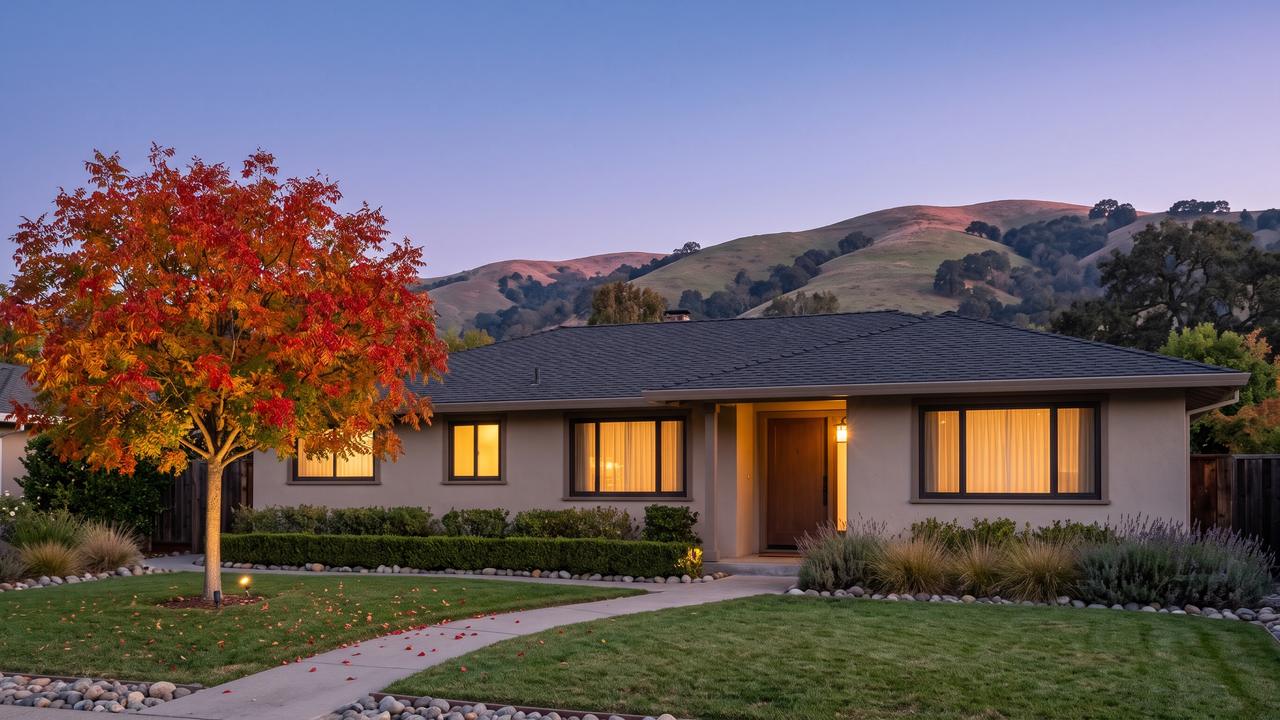
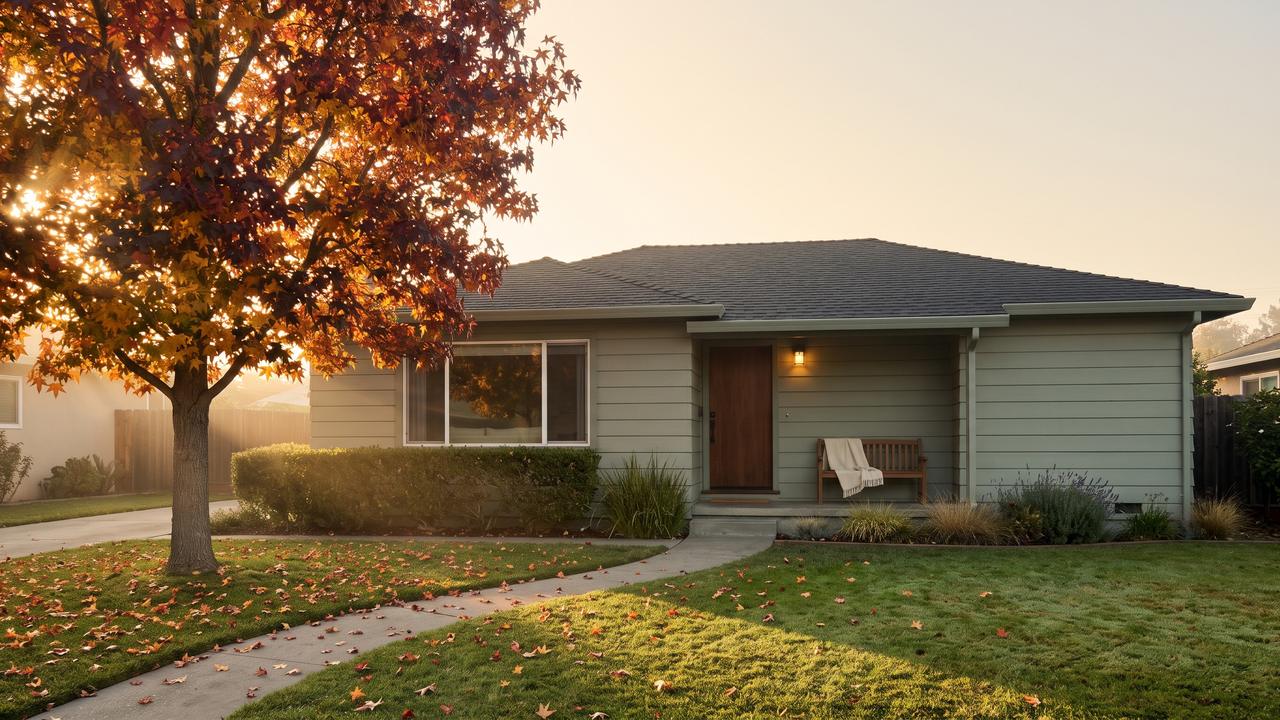
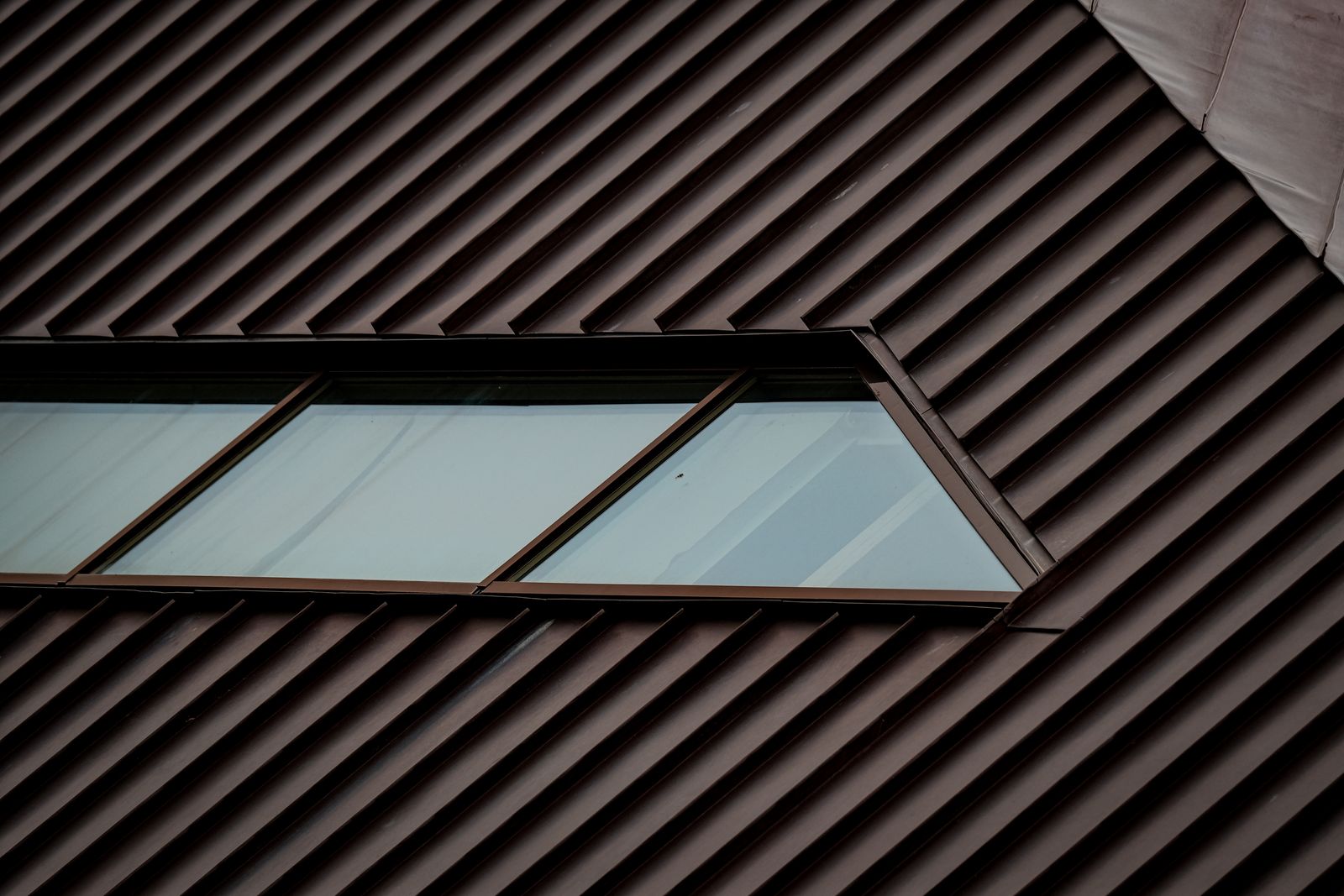
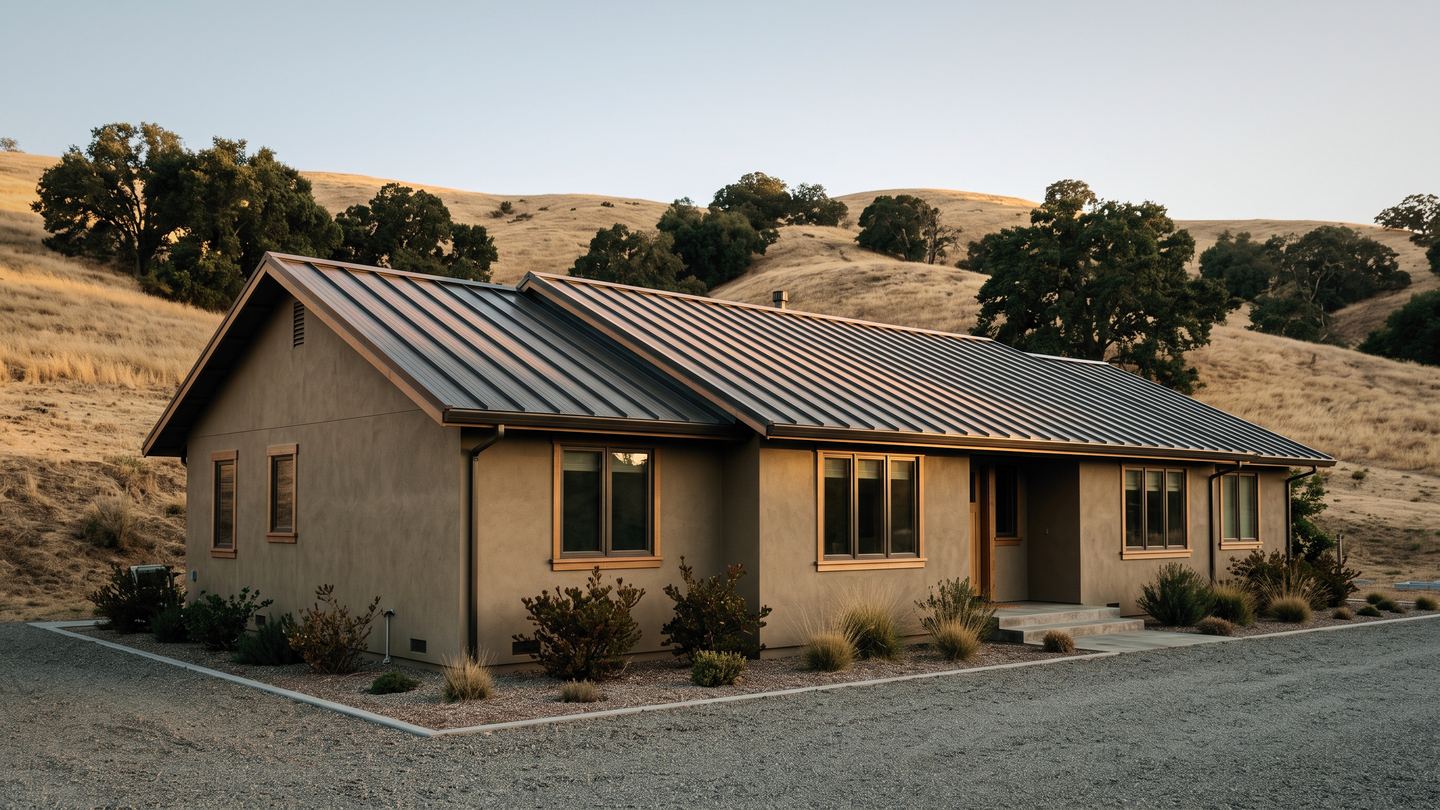
About the images: the header image is a stock photograph. The other pictures in this post are AI illustrations generated with Google Gemini for my video on this topic; none of them shows a real home, a listing or a project from the Cost vs. Value study.
Metal roof questions, answered without the sales pitch
Is a metal roof worth it compared to shingles?
Not by resale math alone. The 2025 Cost vs. Value Report prices a metal roof in the San Francisco metro at about 64,936 dollars with about 30,727 dollars returned, a 47.3 percent recoup, versus 72.5 percent for asphalt shingles at about 38,289 dollars. Metal cost about 27,000 dollars more and was credited only about 3,000 dollars more. The metal case is a horizon case: a U.S. Department of Energy guide says a metal roof can last fifty years or more, against roughly twenty to thirty for asphalt shingles, so an owner who intends to stay decades may buy their last roof once. Those are estimates, not promises, and the 2025 figures are metro averages from an edition whose method changed. An owner selling within ten years is mostly buying the next owner a gift.
Do metal roofs help in California wildfire areas?
They can, as part of a hardened home, but the details decide it. Wildfire researchers at IBHS say most homes that burn are lit by wind blown embers, not by the wall of flames. A metal panel cannot burn, yet embers still ignite leaves in gutters and get in through vents, so the edge metal, the gutters and ember resistant vents matter as much as the panels. In a mapped High or Very High fire hazard severity zone, replacing a roof, or half or more of it within twelve months, generally means a Class A roof, and over a wood deck a metal roof gets there as a tested assembly, usually with a fire rated underlayment or a gypsum board under the panels. California requires insurers whose rates use wildfire risk to factor in a Class A roof, but Class A asphalt shingles count too, and what any of it is worth on your policy varies, so ask your insurer before you count on a discount.
Does a metal roof help sell a house?
It helps a specific house with a specific buyer. On a hillside or view property where fire risk is on every buyer's mind, a newer metal roof is a genuine selling point worth featuring: it answers the first question a cautious buyer asks. On a standard flatland tract home, buyers see a roof, register that it is newer, and pay little extra for the metal itself. In the 2025 San Francisco metro averages, metal was credited only about 3,000 dollars more than asphalt shingles at resale, which is how a 65,000 dollar project ends up credited at less than half its cost. Know which house you own before you buy the upgrade.
What should I ask a metal roofer before I sign?
Three questions. First, what makes this roof Class A, and will I get the tested listing for that exact assembly? Over a wood deck the rating usually depends on the underlayment or board under the panels. Second, is it a snap lock panel or a mechanically seamed panel folded shut with a tool on site, and what gauge is the steel? Seamed panels are generally rated for flatter roofs, and a lower gauge number means thicker metal; 24 and 26 gauge both show up on homes. Third, who backs what? The paint finish, the steel itself and the roofer's workmanship carry separate warranties, so get all three in writing, read any salt spray exclusions if you live near the Bay, and ask whether they transfer when you sell.

Harv Balu
REALTOR® | GRI, CIPS, PSA, FTBS · REALTY EXPERTS®
CA DRE# 02195792
Read every post in HarvRealtor, my free app, and the words read offline. Download it free from the App Store® (opens in new tab) or Google Play™ (opens in new tab).