Wood Windows: When the Premium Material Is Expected and When It Is Ego
This is the shortest decision in the series, because it is not really about windows. It is about which house you own.
Prefer to watch? Press play below. My video walkthrough runs under seven minutes, including when repairing old wood windows beats replacing them.
The numbers, with their year stamps
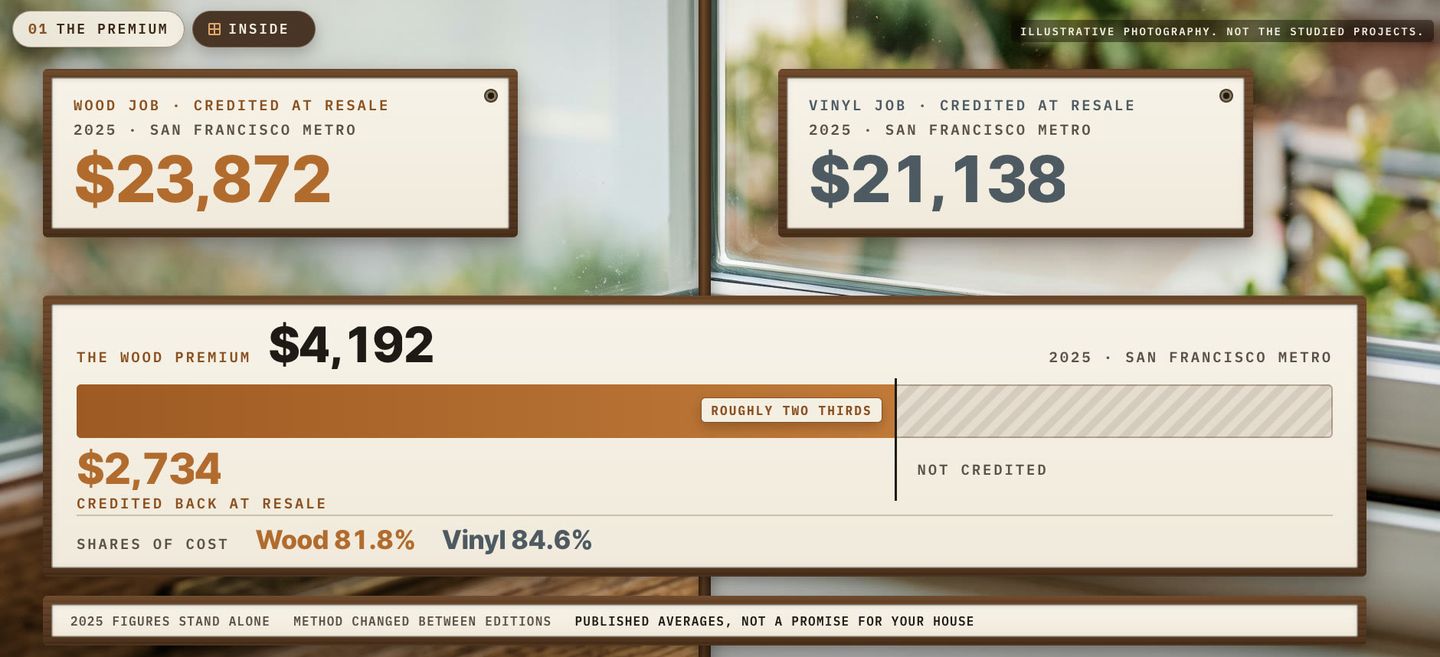
The 2025 San Francisco metro row, the right geography for Fremont, Newark and Union City: about 29,188 dollars for the studied wood window job, about 23,872 dollars credited at resale, 81.8 percent, eighth of the twenty projects in this series on that ruler. Vinyl, in the same data: 24,996 dollars, 21,138 dollars back, 84.6 percent.
Wood window replacement: the 2025 payback picture
Source: 2025 Cost vs. Value Report, Zonda Media / Remodeling. San Francisco metro, Pacific region and national data as published at jlconline.com. © 2025 Zonda Media, a Delaware corporation. Percentages are averages for professionally installed projects across a whole metro, and the report's methodology changed between editions, so treat every figure as a planning signal with a year stamp, never a promise for any specific house.
The studied job replaces ten existing 3 by 5 foot double hung windows with insulated ENERGY STAR wood windows with simulated divided lites, stained hardwood inside and colored aluminum cladding outside to match the siding, plus new shutters and exterior casing, without disturbing the siding. In other words, the job in the report is clad wood. The report changed how it measures value between editions, so these 2025 figures stand on their own: published averages, not a promise for your house.
Wood's premium mostly came back, but not all of it
Percentages hide the real question, which is what the extra money buys. In the 2025 metro averages, wood cost 4,192 dollars more than vinyl, and the report credited it with 2,734 dollars more at resale. Roughly two thirds of the premium came back. As shares of cost, the two materials finish within a few points of each other, 81.8 percent against 84.6; the wood project simply spends more to get there.
The 2021 national edition, the ruler this series is ranked on, shows the same pattern. Wood windows cost 23,219 dollars on average nationally, and Bay Area quotes run higher. At resale they were credited with 15,644 dollars, about 67 cents on the dollar (67.4 percent), seventh of the twenty projects in this series. Vinyl cost 3,834 dollars less and kept a little more, 68.6 percent. On pure math, vinyl wins the commodity case.
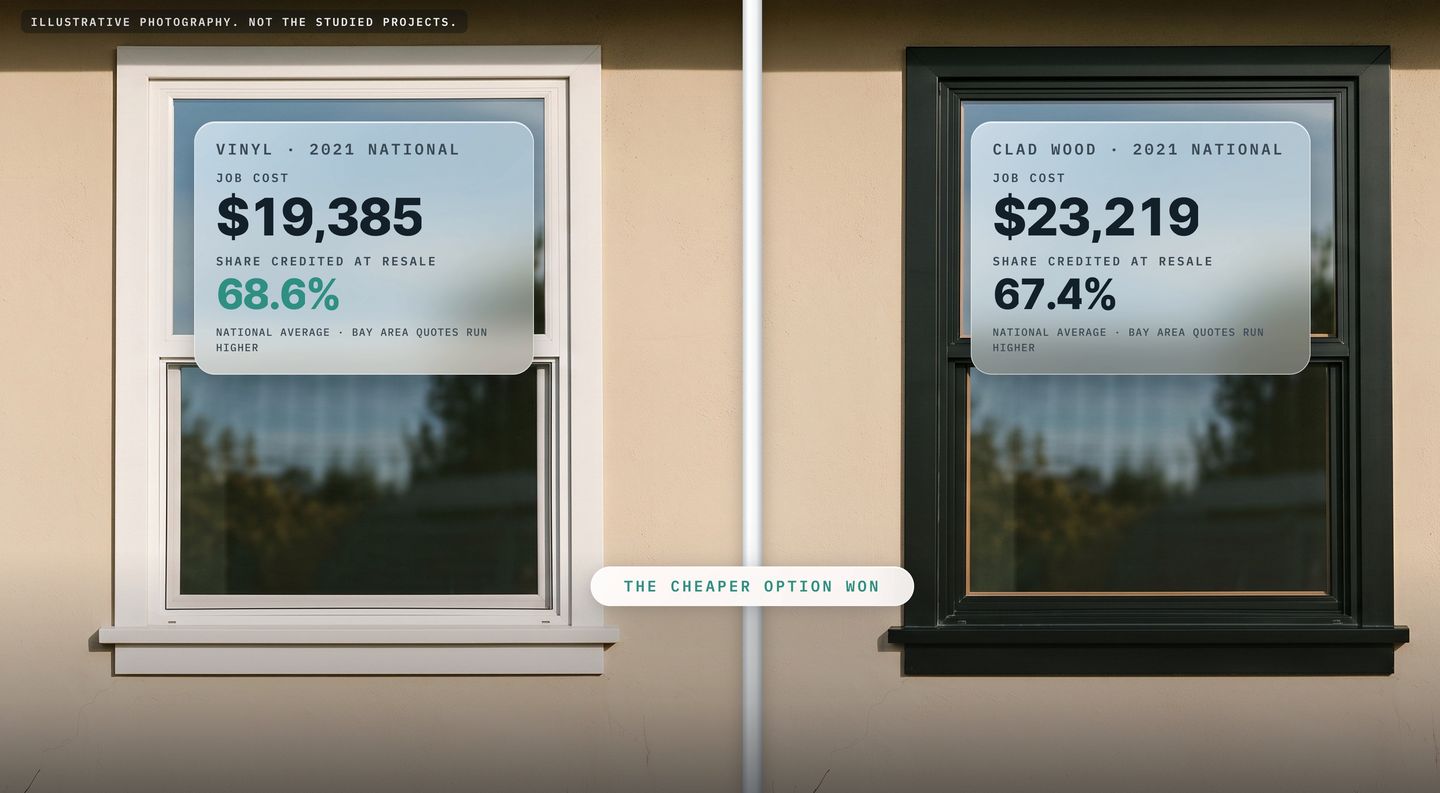
A wood window quote can mean three different builds
Before you compare two wood quotes, check which window each one is pricing.
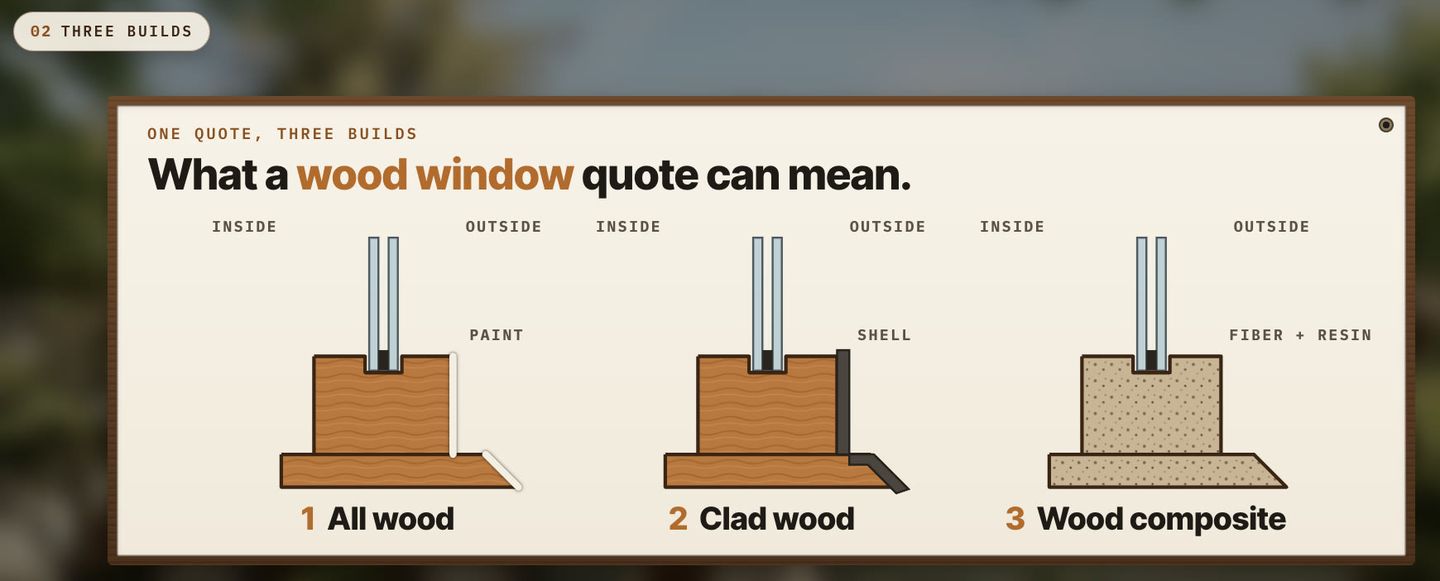
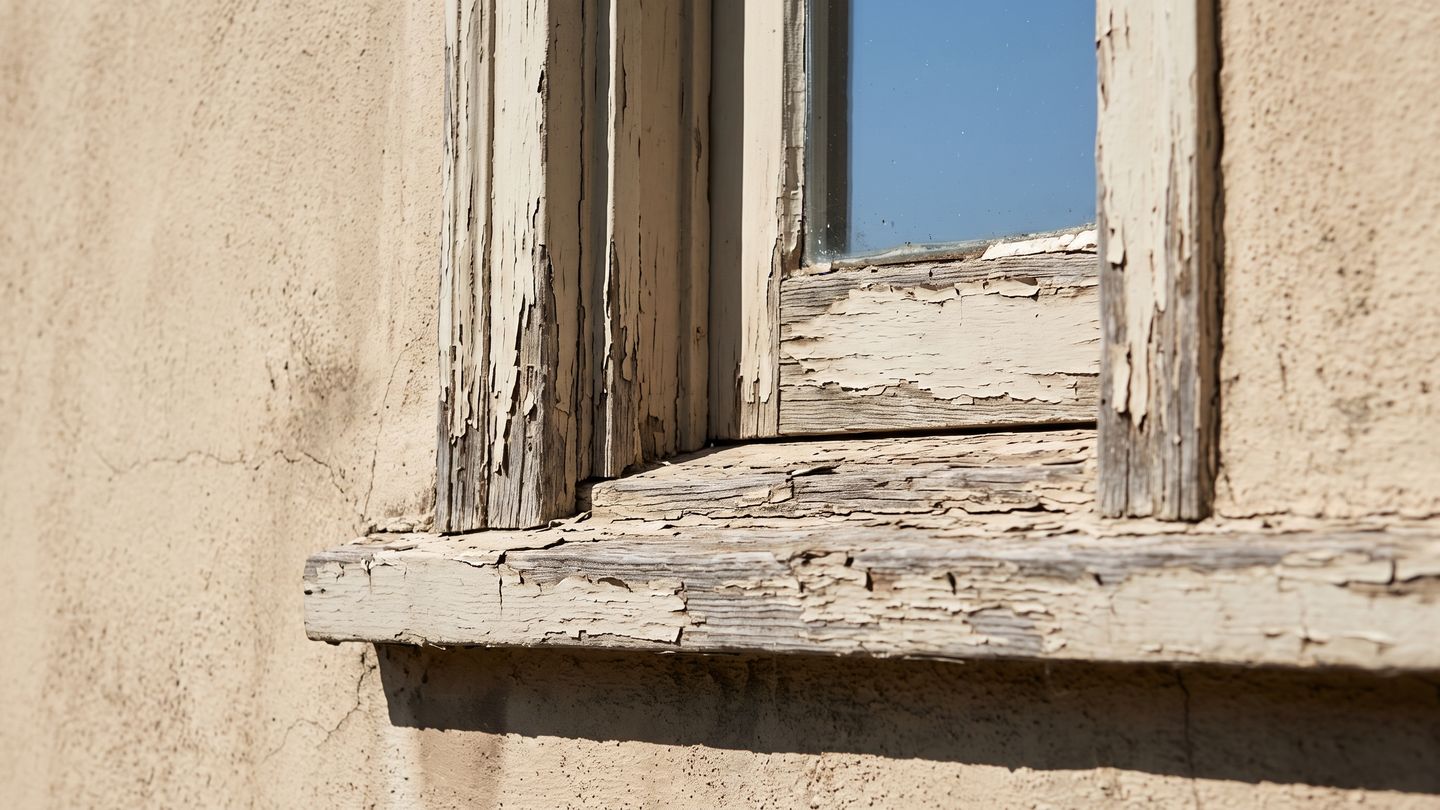
All wood. Wood inside and out, the classic. The exterior needs paint or stain on a schedule, especially in our sun. Budget the refinishing into the ownership math or do not choose it.
Clad wood. Wood inside, with a weather shell of aluminum, fiberglass or vinyl outside, where the sun and rain hit. Most people choosing wood buy this today, and it is the job in the Cost vs. Value numbers above.
Wood composite. Wood fiber blended with resin. Low upkeep, but it is not solid wood.
Inside, there is one more choice. Paint grade wood is meant to be painted; stain grade, such as fir or oak, shows the grain and costs more. The studied job specifies a stained hardwood interior. In an older or higher end home, the grain is the point.
For energy, compare numbers, not materials. New windows carry an NFRC label with its rated U factor and solar heat gain coefficient, and California's energy code sets the limits, covered below. The label, not the frame material, settles it.
So when is wood correct? When the house expects it
Three situations.
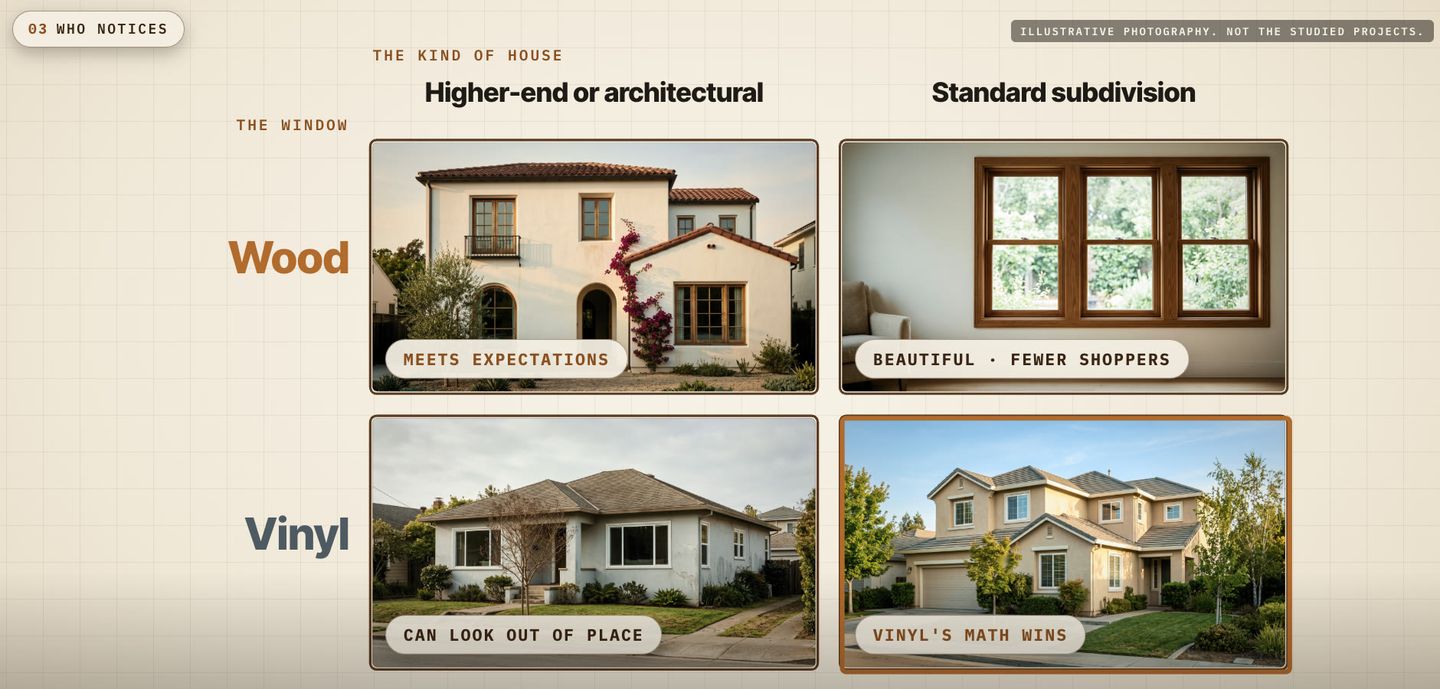
Premium neighborhoods. In the tiers where buyers audit finishes room by room, baseboards, cabinet faces, window frames, wood or clad wood interiors are part of the expected package. Meeting expectations there is not optional spending, it is table stakes.
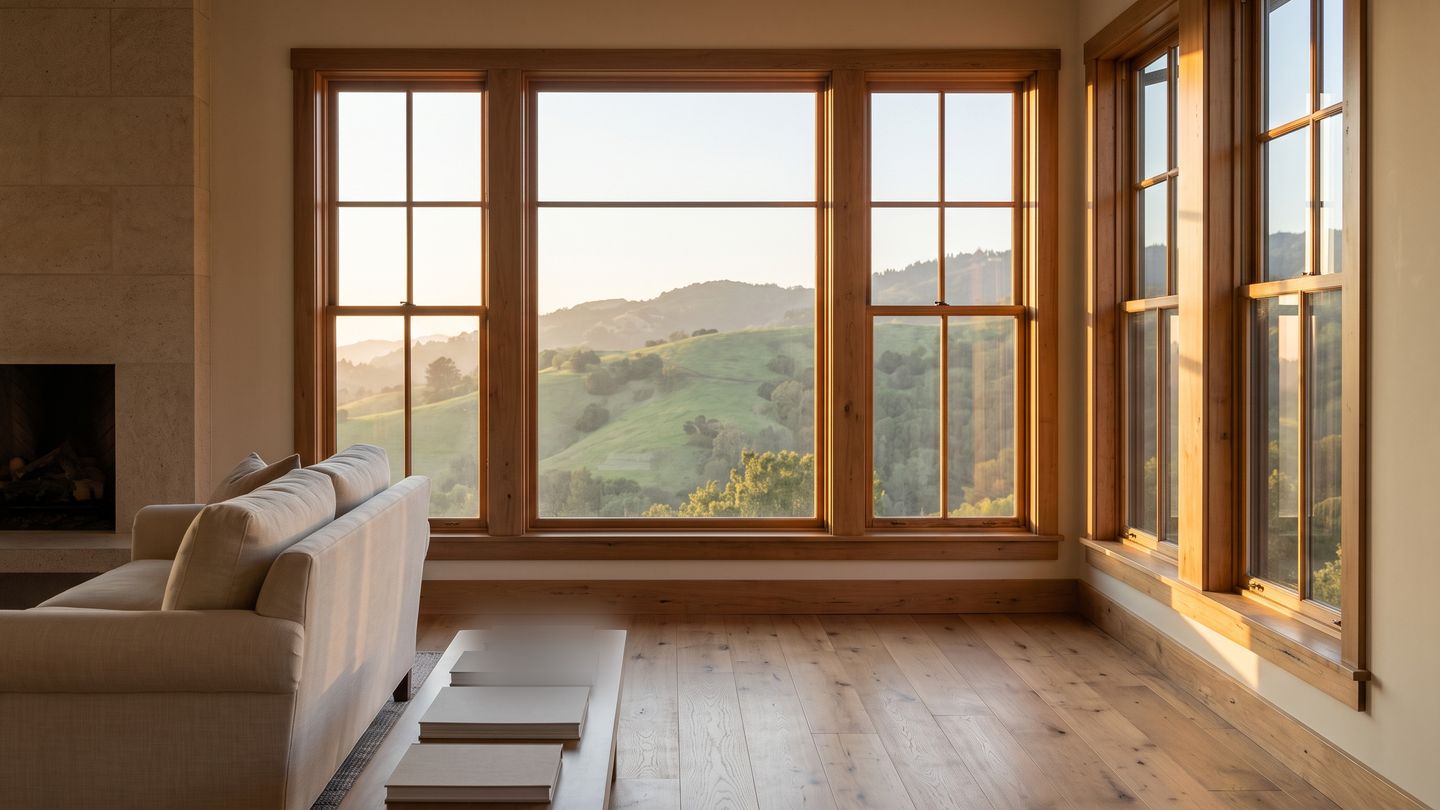
Architectural homes. A Craftsman, an original mid century with mahogany trim, a Spanish revival. Vinyl frames in those openings can look out of place, and buyers sense it before they can explain it.
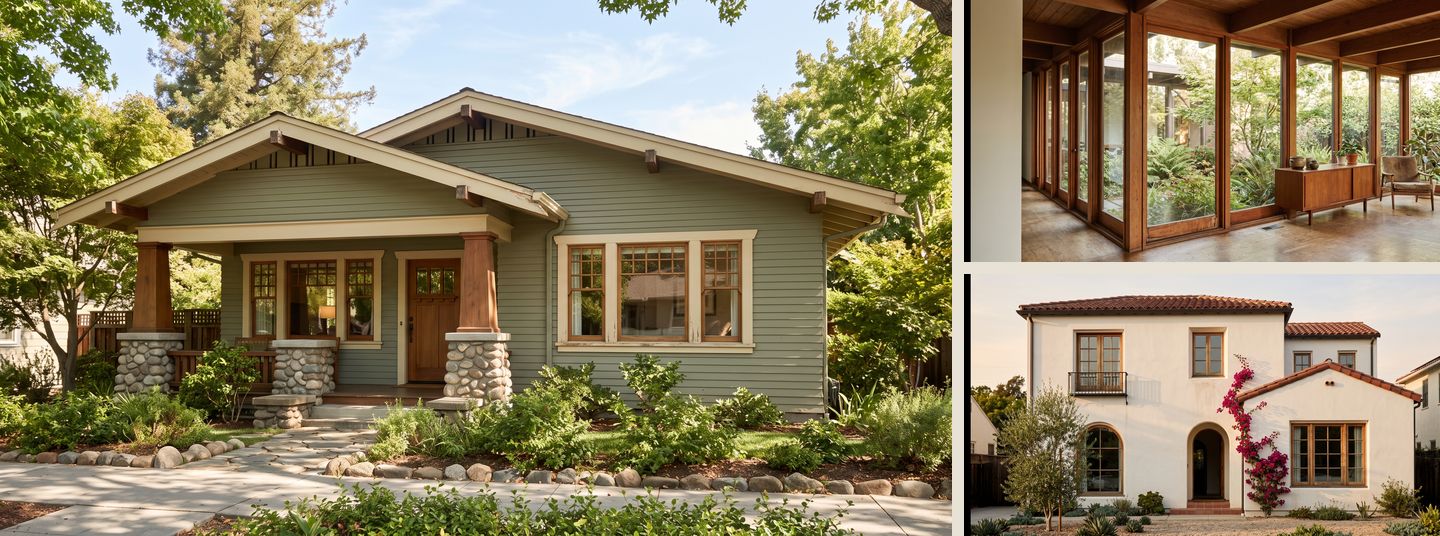
Rooms where the interior finish is the point. A study, a living room with a view, a front elevation the street sees lit up at night.
The flip side matters just as much. On a standard subdivision home, wood windows are beautiful, but fewer buyers at that price are shopping for them, and vinyl's math wins.
Wood can be repaired, and repair comes first
Here is what a lot of window quotes skip. The National Park Service's guidance on historic wood windows, Preservation Brief 9, puts repair first and works up in steps. Routine maintenance comes first: reglazing cracked or missing putty and repainting. Next, stabilizing soft or decayed wood by consolidating it and filling it with epoxy. Then splicing new wood into a damaged section, or replacing individual parts. Full replacement comes last.
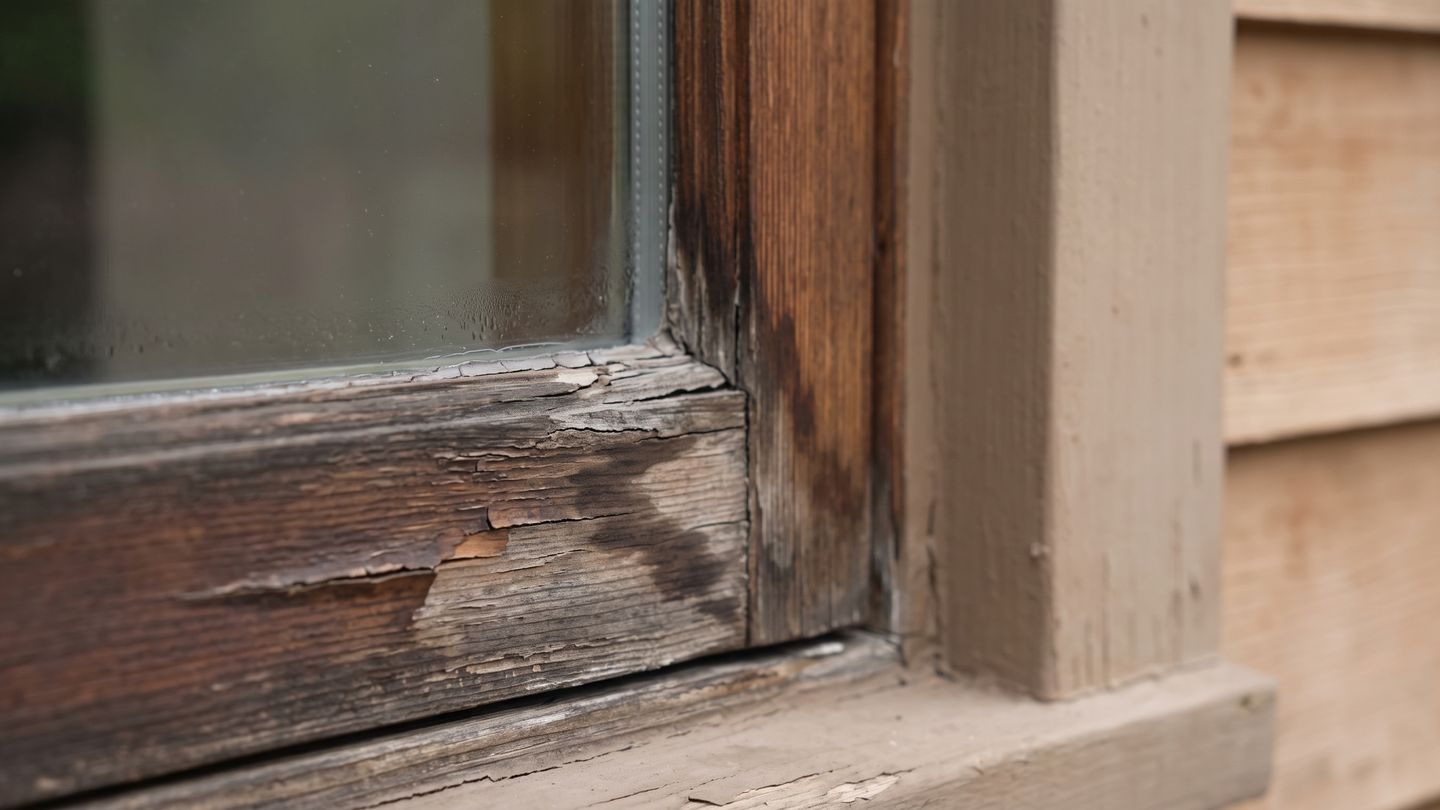
Moisture is the main cause of decay, so look at three things before anyone quotes a full tear out: the glazing putty, the paint on the sill, and whether the sill still slopes water away from the house. California's 2025 Energy Code also counts new glass, or a new sash, in an existing frame as a repair rather than a replacement, as long as the new piece performs at least as well as the old one.
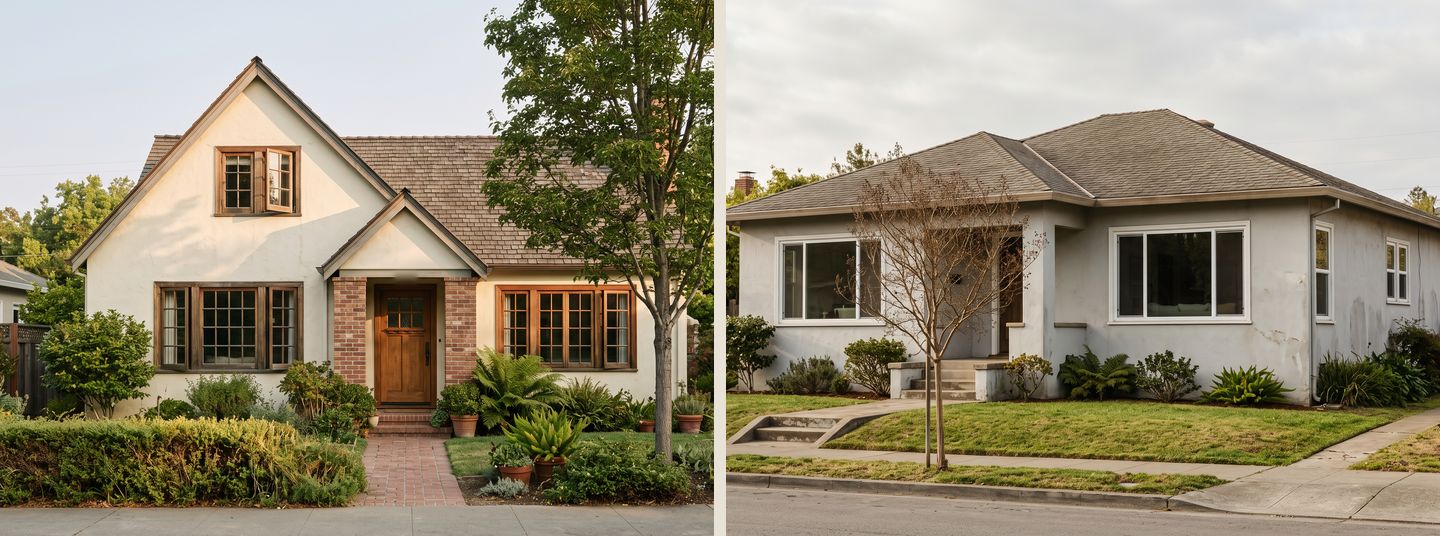
If a few frames really are past saving, replace just those, in kind. Match the wood, and match the divided lights, the grids that split the glass into smaller panes. A 1920s house wearing modern picture windows looks wrong to buyers, even if they cannot say why.
The local wrinkles, plus one federal rule for older homes
The energy code is the same as for vinyl windows. Under the 2025 California Energy Code, in force since January 1, 2026, replacement windows need a rated U factor of 0.27 or lower in both of our climate zones. Zone 3 covers Fremont, Newark, Union City and Hayward; Zone 4 covers Milpitas, San Jose, Santa Clara and Sunnyvale, where the glass also has to keep its solar heat gain coefficient at 0.23 or lower. The Energy Commission's ZIP code list confirms yours. A small job, 75 square feet of windows or less, may use units rated up to 0.40, with a 0.35 solar heat gain limit in Zone 4. One Fremont catch: the city's express plan for like for like replacements lists a U factor of 0.27 and a solar heat gain coefficient of 0.23 for retrofit windows, with no small job allowance on the form, even though the state sets no solar heat gain limit in Zone 3. In Fremont, ask for both numbers before you order.
The federal rule: if your house was built before 1978, the EPA's lead paint rule for renovation, repair and painting covers a window replacement, and the contractor you pay must be an EPA Lead-Safe Certified firm. Window replacement never counts as one of the rule's small minor repair jobs, however few windows you change. Ask to see the certificate.
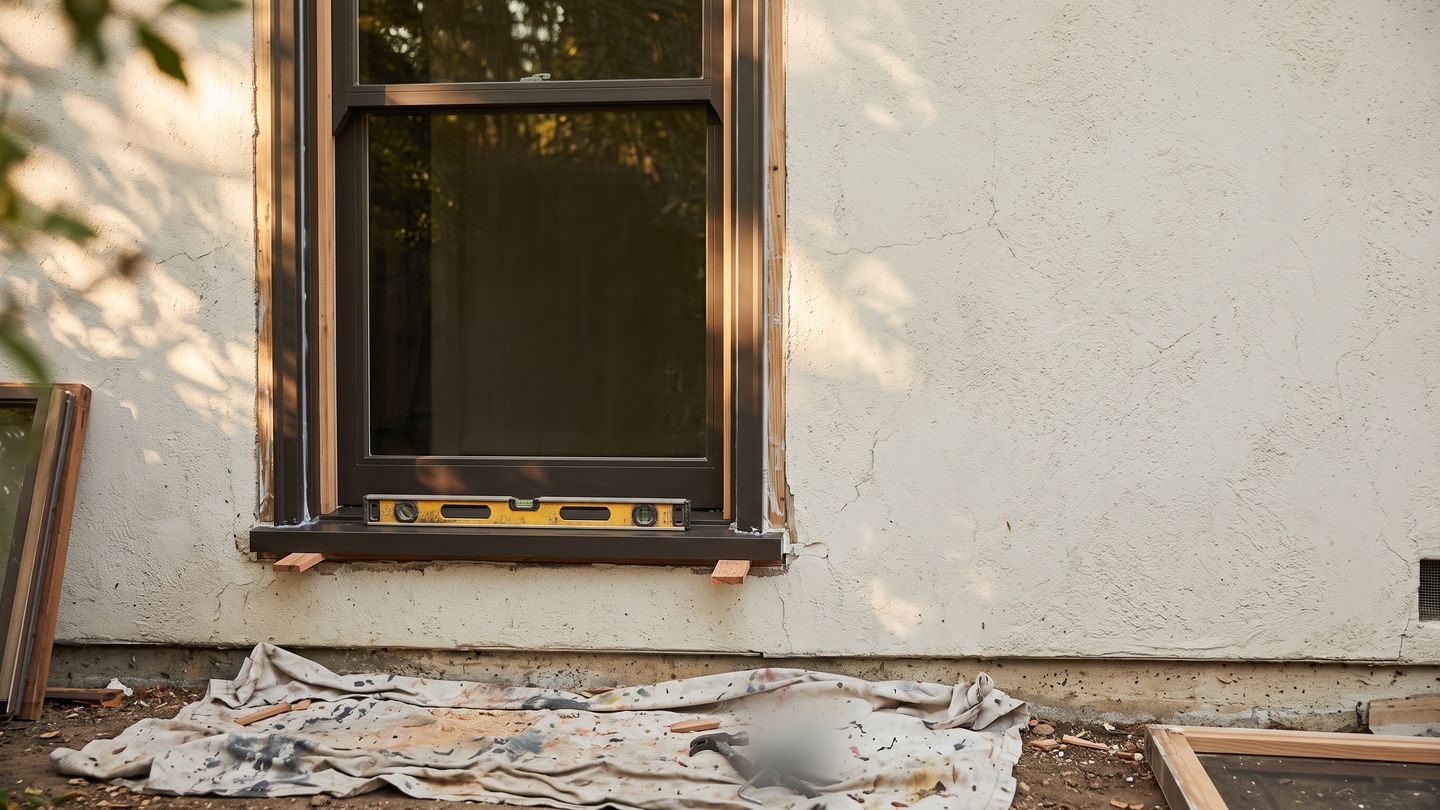
Then the permit and the HOA. Bay Area cities generally want a permit for a change out, with the temporary rating labels left on the glass until the building inspector has verified them, and an HOA usually approves exterior window styles and grid patterns. Sort the certificate, the permit and the approval before you order.
My read, by your timeline
The whole thing fits one decision tree, and the first branch is the house, not the calendar.
Standard home: take vinyl's math
In a standard tract or subdivision home, take vinyl's math and put the difference toward projects the board actually rewards.
Higher end or architectural, selling soon: repair, then replace the failing few in kind
If frames are part of your finish story, repair what you can and replace only the failing few, in kind; mismatched frames get noticed at this tier. A full change out right before listing rarely returns its cost on the published averages. Start months before you list, not weeks, so the repairs, any order, the permit and the inspection fit the calendar.
Staying a while: buy the interior you want to look at for fifteen years
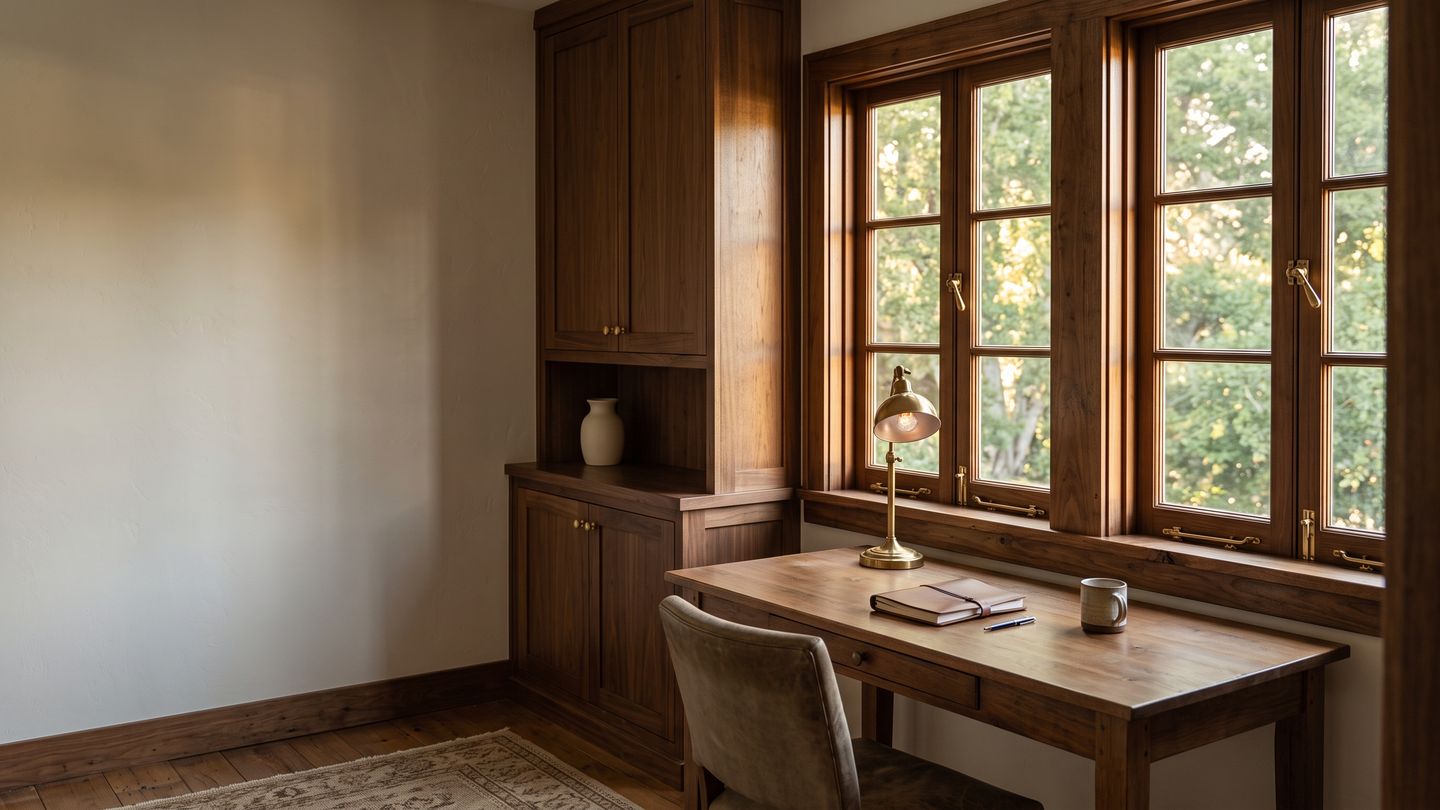
In a premium or architectural home, the expectation argument makes wood rational, and you live with the grain every day.
What would this wood window replacement quote get back?
I apply the 2025 San Francisco metro recoup average for this project, about 81.8 percent, to your real number. A planning picture before you sign, not a valuation.
Plan on about $5,316 of this quote staying in the house on the metro average. If the sale is this close, that money usually works harder in prep, paint and pricing than in a project the next owner reprices anyway.
A planning illustration, not a valuation, appraisal or promise of any outcome. It applies one published metro average (2025 Cost vs. Value Report, Zonda Media / Remodeling, San Francisco metro) to the number you typed, nothing more. Whether a specific project pays on your specific house depends on condition, block and timing; that conversation belongs in a pre listing consult with real comparable sales.
Sources
- Cost vs. Value Report 2025, San Francisco metro (Zonda Media / Remodeling): jlconline.com/cost-vs-value/2025/pacific/san-francisco-ca
- Cost vs. Value Report 2021, national averages: jlconline.com/cost-vs-value/2021
- National Park Service, Preservation Brief 9, The Repair of Historic Wooden Windows: nps.gov
- EPA, Renovation, Repair and Painting Program: epa.gov
- EPA lead rule definitions, 40 CFR 745.83 (window replacement is never minor repair and maintenance): ecfr.gov
- 2025 California Energy Code (Title 24, Part 6), Section 150.2(b)1B and Table 150.1-A: energy.ca.gov
- California Energy Commission, climate zones by ZIP code: energy.ca.gov
- City of Fremont, Express Residential Window and Door Replacement Plan: fremont.gov
Harv Balu, REALTOR®
- Cell / Text: (510) 600-3425
- Email: homes@HarvRealtor.com
- Web: HarvRealtor.com
- REALTY EXPERTS®, 41051 Mission Blvd, Fremont, CA 94539, DRE# 02195792
Disclosures
This information is educational and general in nature and is not a bid, valuation, appraisal, or guarantee of any outcome. Cost and resale figures are published averages from the Zonda Media and Remodeling magazine Cost vs. Value Report, cited by edition year and geography in the text, current as of August 2026; the report's methodology changed between editions, so figures from different years are not comparable. Energy code, lead paint and permit notes describe the 2025 California Energy Code, the EPA's Renovation, Repair and Painting rule and general Bay Area practice as of October 2026; verify requirements with your local building department. Equal Housing Opportunity. Information deemed reliable but not guaranteed.
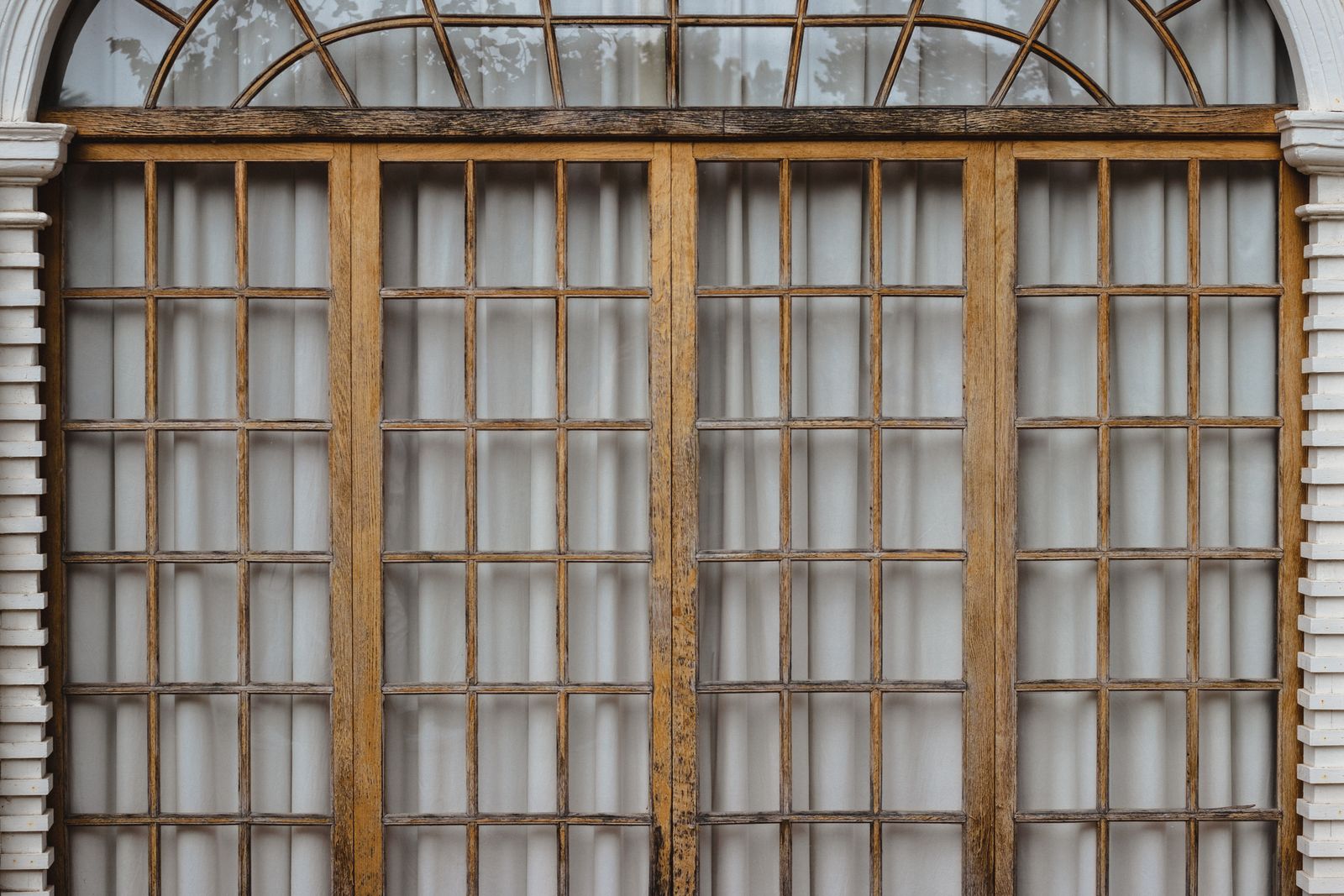
About the images: the header image is a stock photograph. The other pictures in this post come from my videos on wood and vinyl window replacement. The photo style scenes are AI illustrations generated with Google Gemini, and four of the frames carry cards drawn in code, two of them with figures from the published Cost vs. Value averages. None of them shows a real home, a listing or a project from the Cost vs. Value study.
Wood window questions from premium home owners
Are wood windows worth the extra cost over vinyl?
By the published averages, mostly but not entirely. The 2025 Cost vs. Value Report for the San Francisco metro shows the wood window job at about 29,188 dollars with about 23,872 dollars credited at resale, 81.8 percent, against 24,996 and 21,138 dollars for vinyl, 84.6 percent. Of wood's 4,192 dollar premium, about 2,734 dollars came back, roughly two thirds. The tiebreaker is the house. In premium neighborhoods and architecturally serious homes, buyers expect wood or clad wood interiors, and vinyl frames can undercut the home's story. In a standard subdivision home, wood is beautiful, but fewer buyers at that price are shopping for it, and vinyl's math wins.
What is the difference between wood and clad wood windows?
Traditional all wood windows are wood inside and out, beautiful and maintenance hungry, because the exterior needs paint or stain on a recurring schedule. Clad wood units keep the wood interior but wrap the exterior in a weather shell of aluminum, fiberglass or vinyl: the warm interior buyers want with an exterior that shrugs off sun and rain. Most people choosing wood buy clad wood today, and it is the job the 2025 Cost vs. Value Report priced, with stained hardwood inside and colored aluminum cladding outside. A third build, wood composite, blends wood fiber with resin for low upkeep, but it is not solid wood.
Do luxury home buyers really notice window frames?
At the top of the market, yes, and their agents notice louder. In the price tiers where many Mission San Jose homes trade, finishes get audited room by room, and window interiors are part of the finish story the way cabinet faces are. A luxury listing with builder grade vinyl frames does not fail, but it gives a negotiating buyer one more paragraph. At mainstream price points this audit does not happen, which is exactly why the premium spend belongs only where the audience exists.
Should I repair old wood windows or replace them?
Repair first, in most cases. The National Park Service's guidance on historic wood windows, Preservation Brief 9, works up in steps: routine maintenance such as reglazing the putty and repainting, then stabilizing soft or decayed wood with consolidants and epoxy fillers, then splicing in new wood or replacing individual parts, with full replacement last. Moisture is the main cause of decay, so check the glazing putty, the paint on the sill and whether the sill still slopes water away from the house. If a few windows really are past saving, replace just those in kind, matching the wood and the divided light pattern. Under California's 2025 Energy Code, new glass or a new sash in an existing frame counts as a repair rather than a replacement.
Do lead paint rules apply to replacing windows in an older home?
Yes, if the house was built before 1978 and you are paying someone to do the work. The EPA's Renovation, Repair and Painting rule requires the contractor to be an EPA Lead-Safe Certified firm that uses certified renovators and lead safe work practices, and window replacement never qualifies for the rule's exemption for small minor repair and maintenance jobs, however few windows you change. Ask to see the firm's certificate before you sign. Many Bay Area homes were built before 1978, so the question comes up often.

Harv Balu
REALTOR® | GRI, CIPS, PSA, FTBS · REALTY EXPERTS®
CA DRE# 02195792
Read every post in HarvRealtor, my free app, and the words read offline. Download it free from the App Store® (opens in new tab) or Google Play™ (opens in new tab).