Vinyl Window Replacement: What the 84.6 Percent Recoup Does and Does Not Tell You

Windows are the project people research the longest and understand the least, because the sales pitch is about energy and the resale math is about expectations.
Prefer to watch? Press play below. My video walkthrough runs under six minutes, including which windows to fix first if you are selling soon.
The numbers, with their year stamps
The 2025 San Francisco metro row, the right geography for Fremont, Newark and Union City: about 24,996 dollars for the studied job, about 21,138 dollars credited at resale, 84.6 percent, seventh of the twenty projects in this series on that ruler. Most of the money, not all of it.
Vinyl window replacement: the 2025 payback picture
Source: 2025 Cost vs. Value Report, Zonda Media / Remodeling. San Francisco metro, Pacific region and national data as published at jlconline.com. © 2025 Zonda Media, a Delaware corporation. Percentages are averages for professionally installed projects across a whole metro, and the report's methodology changed between editions, so treat every figure as a planning signal with a year stamp, never a promise for any specific house.
The studied job replaces ten existing 3 by 5 foot double hung windows with insulated ENERGY STAR vinyl windows with simulated divided lites, plus new shutters and exterior casing, without disturbing the siding. Whole house jobs on larger Tri-City homes run higher; the ratio is the useful part, not the sticker. The report changed how it measures value between editions, so these 2025 figures stand on their own: published averages, not a promise for your house.
On the 2021 ruler, vinyl kept more of its cost than wood
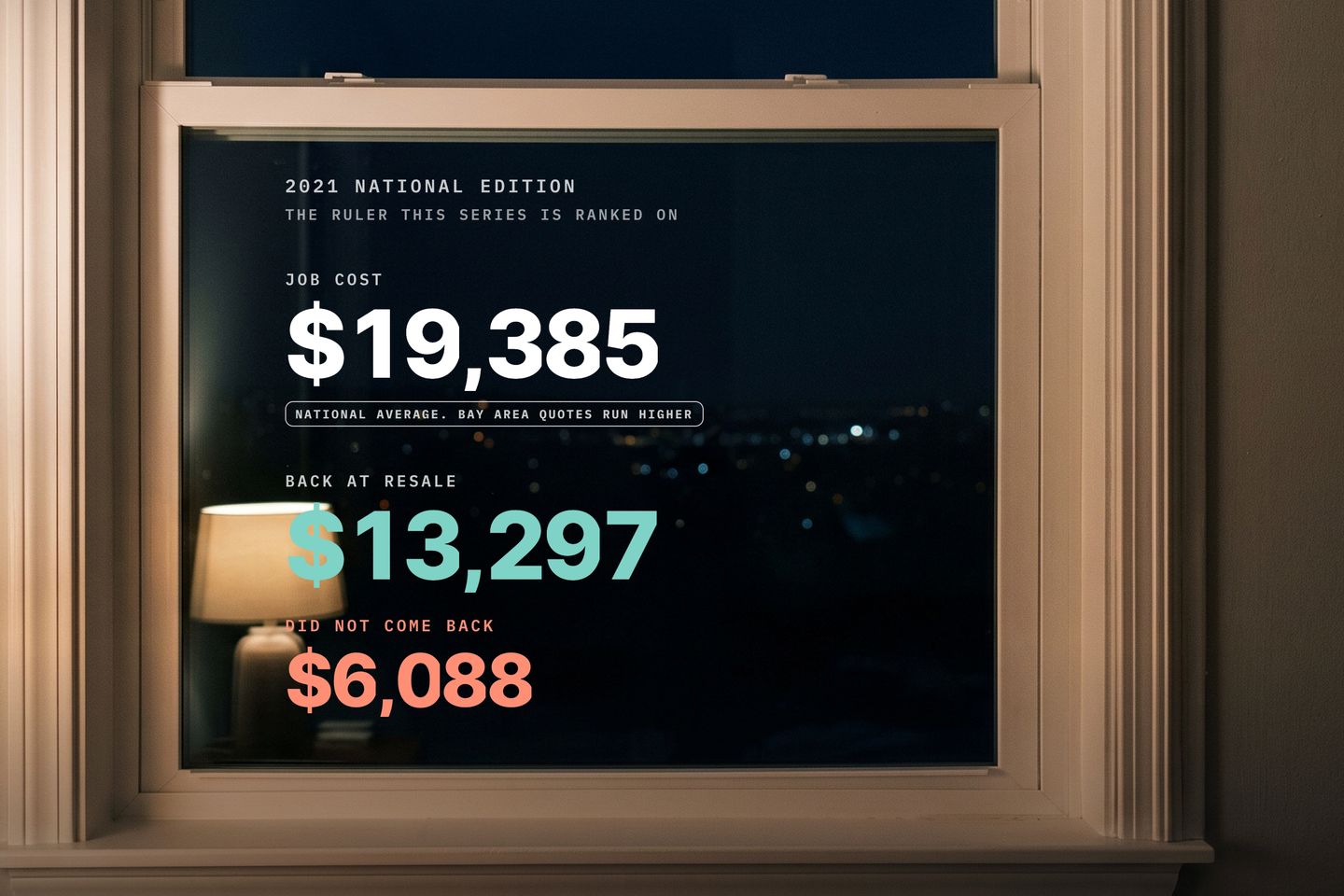
The 2021 national edition, the one this series is ranked on, put the same job at 19,385 dollars on average nationally, and Bay Area quotes run higher. At resale it was credited with 13,297 dollars, about 69 cents on the dollar (68.6 percent), fifth of the twenty projects in this series. The other 6,088 dollars did not come back. That is a return of investment, not a return on it.
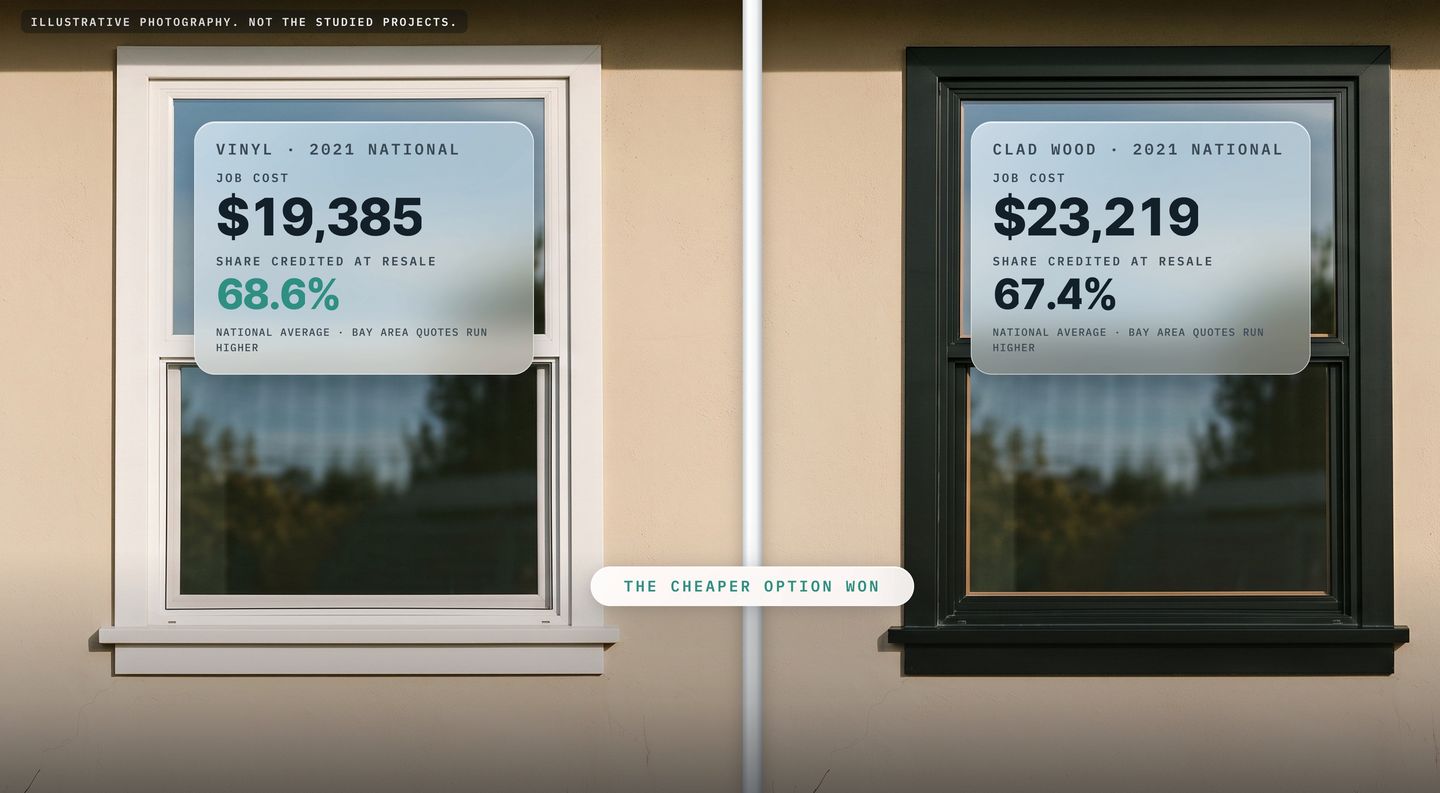
Head to head with wood windows in that same edition, vinyl cost 3,834 dollars less, 19,385 against 23,219, and still kept a slightly larger share of its cost, 68.6 percent against 67.4. The cheaper option won, which is the commodity case for vinyl in one line.
What the recoup number hides
Nobody walks into an open house and offers extra for U factors. What actually happens is subtraction: a buyer slides open a 1970s aluminum single pane, feels the rattle, and silently deducts a windows line item that is often larger than your actual replacement cost would have been. New windows work by making that deduction impossible, and in our market there is a threshold effect: in the price tiers where Fremont and Mission San Jose homes trade, buyers simply expect dual pane everywhere, and the absence is a red flag rather than a quirk.
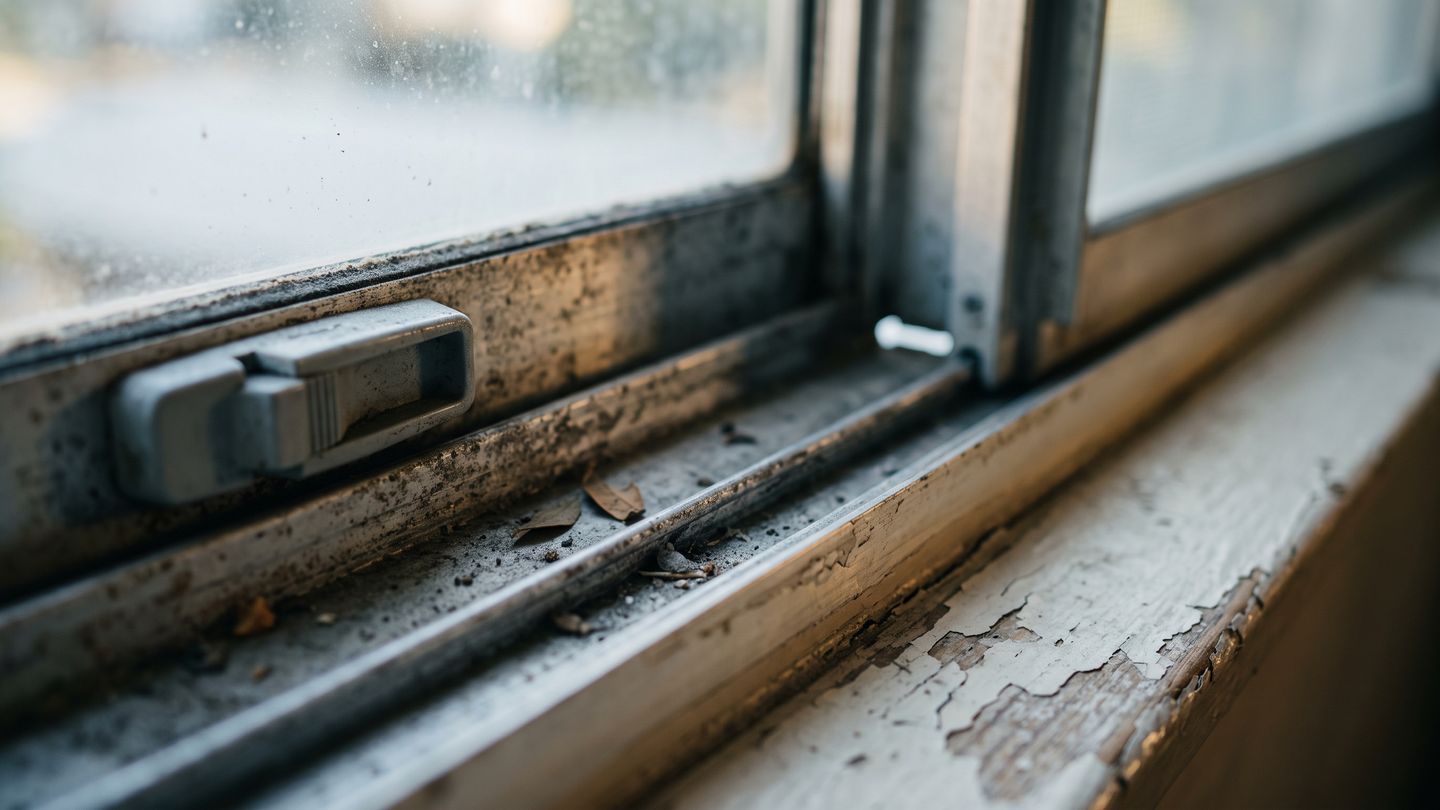
Comfort is the part the resale math never captures. Rooms that hold temperature, street noise pushed back, sashes that open with one finger. Our mild climate also means the energy savings here are real but smaller and slower to add up than the national sales pitch suggests, so count on comfort, not the utility bill, as the payoff. If you are staying, you collect that dividend daily for years.
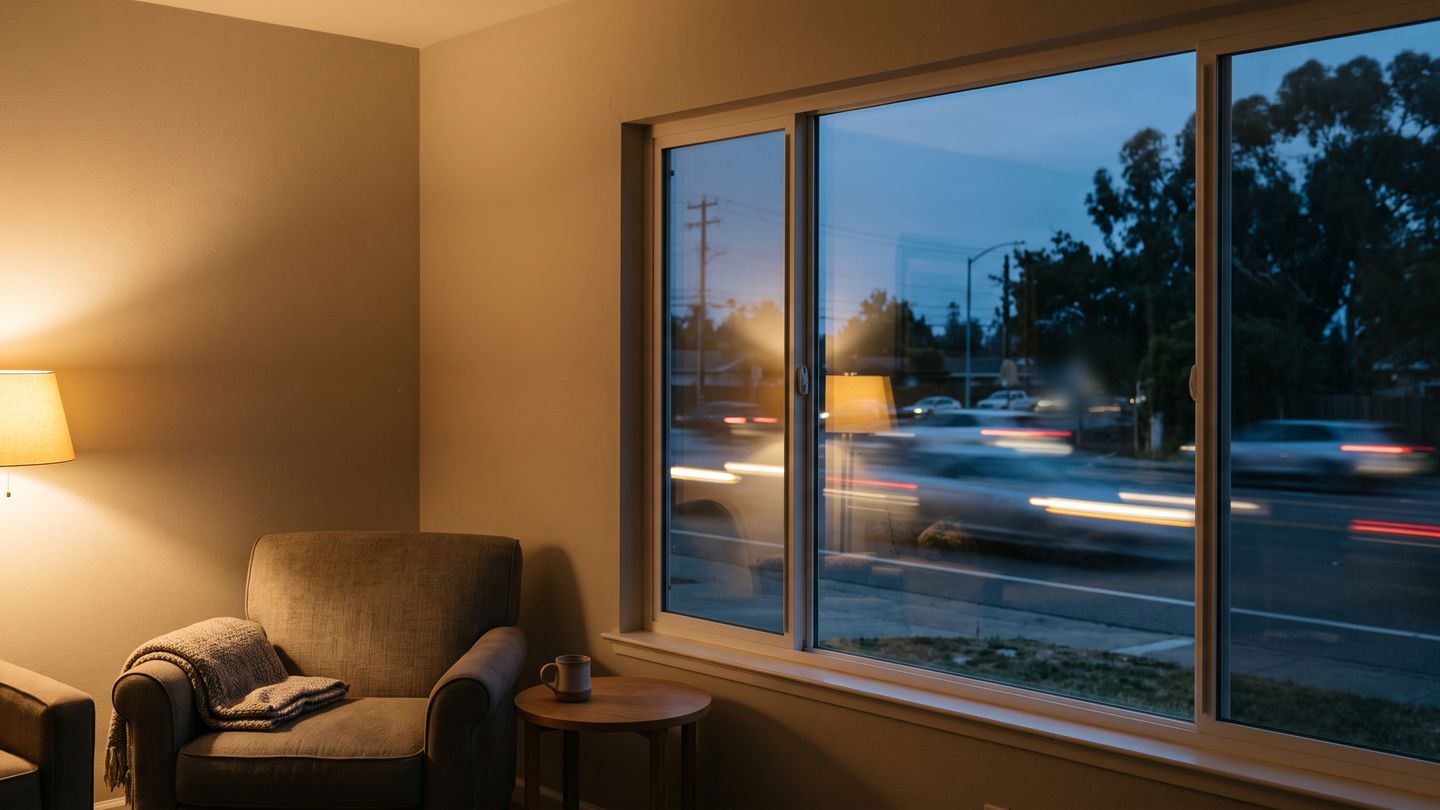
The local wrinkles
California treats window replacement as an energy code event. Under the 2025 California Energy Code, in force since January 1, 2026, replacement windows need a rated U factor of 0.27 or lower in both of our climate zones. Zone 3 covers Fremont, Newark, Union City and Hayward; Zone 4 covers Milpitas, San Jose, Santa Clara and Sunnyvale, where the glass also has to keep its solar heat gain coefficient at 0.23 or lower. The Energy Commission's ZIP code list confirms yours. A small job, 75 square feet of windows or less, may use units rated up to 0.40, with a 0.35 solar heat gain limit in Zone 4. One Fremont catch: the city's express plan for like for like replacements lists a U factor of 0.27 and a solar heat gain coefficient of 0.23 for retrofit windows, with no small job allowance on the form, even though the state sets no solar heat gain limit in Zone 3. In Fremont, ask for both numbers before you order.
Two details save money and trouble. Replacing only the glass, or only a sash inside an existing frame, counts as a repair rather than a replacement, as long as the new piece performs at least as well as the old one. And Bay Area cities generally want a permit for a change out, with the temporary rating labels left on the glass until the building inspector has verified them. A quote that dodges the rating or the permit is a liability you eventually own at disclosure time.
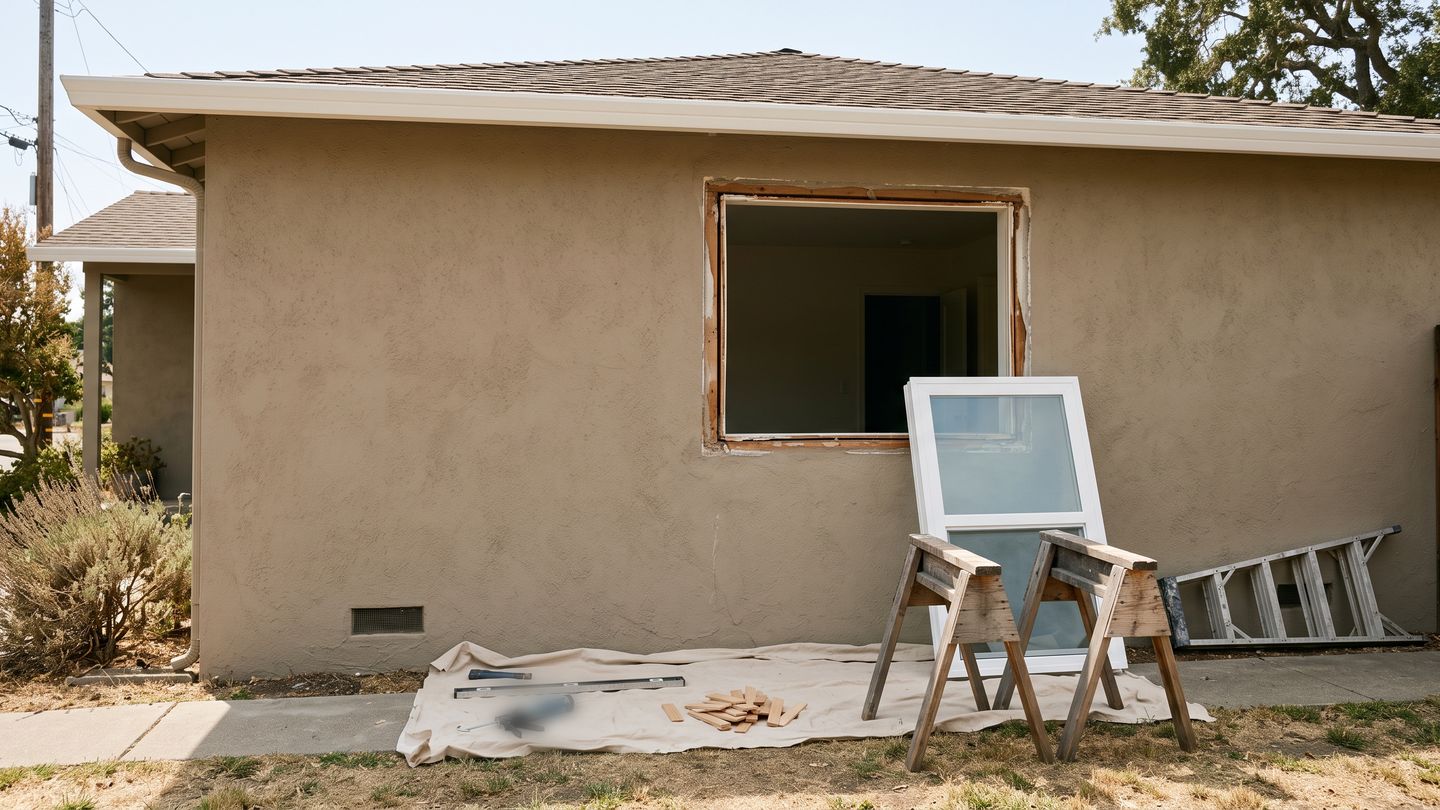
If your home leans premium, also read the wood and clad window breakdown, because at the top of the market the material expectation shifts again. And if the house is under an HOA, exterior window styles and grid patterns are usually an approval item.
My read, by your timeline
Selling soon: fix the failures, not the fleet
Replace what is visibly failing, service the rest, and put the savings toward curb appeal that photographs and correct pricing. A full change out a few weeks before listing rarely returns its cost on the published averages. Three kinds of window come first.
The fogged picture window. A cloud between the panes of a double pane unit means its seal has failed, and the living room picture window is often the first glass a buyer sees. A glass shop can often swap just the sealed glass unit in a sound frame, the repair the energy code allows.
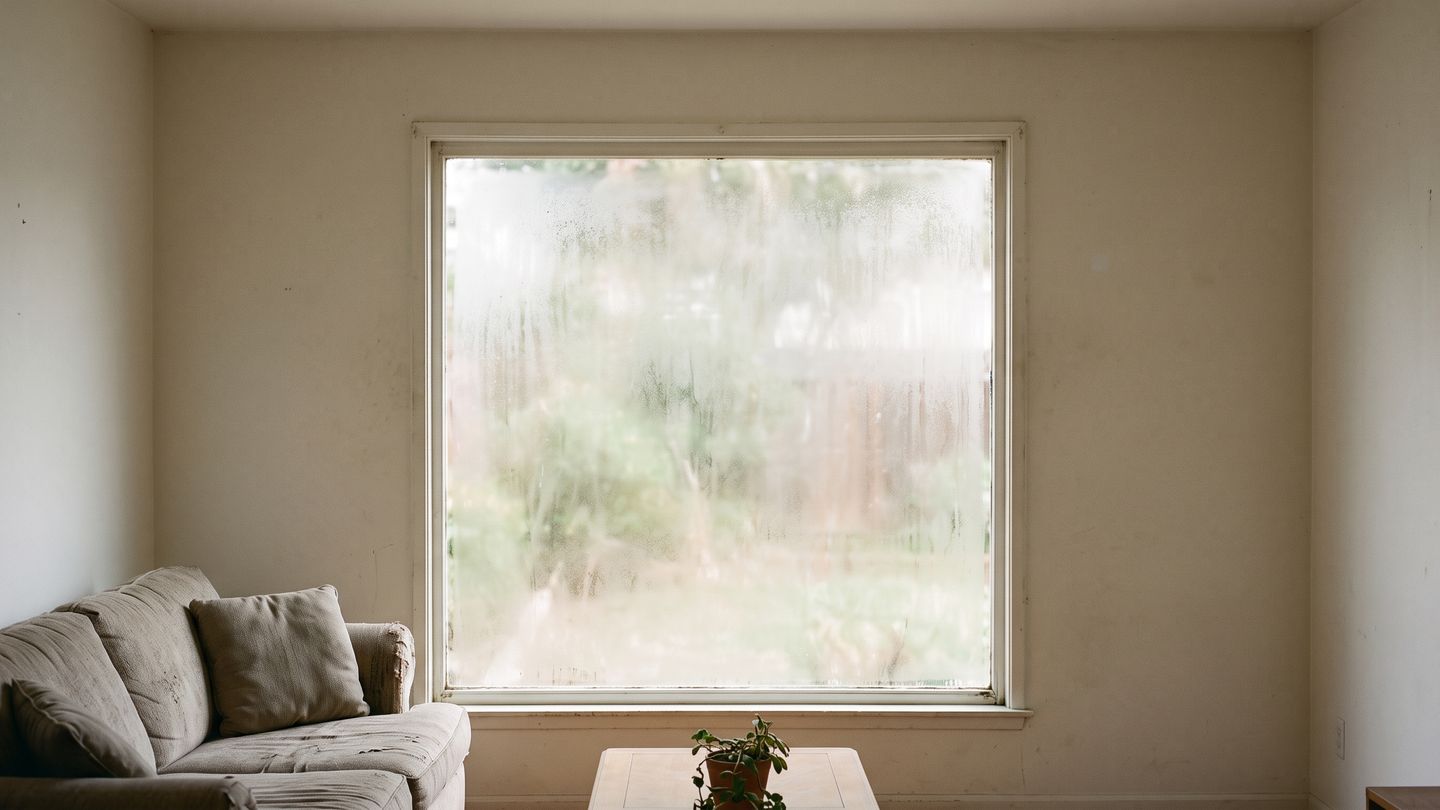
The bedroom slider that will not open. A sash that is painted shut or off its track reads as neglect, and because a bedroom window doubles as an escape route, home inspectors tend to write it up.
The cracked pane. A small repair that looks like a big problem: it photographs badly and lands on the inspection report.
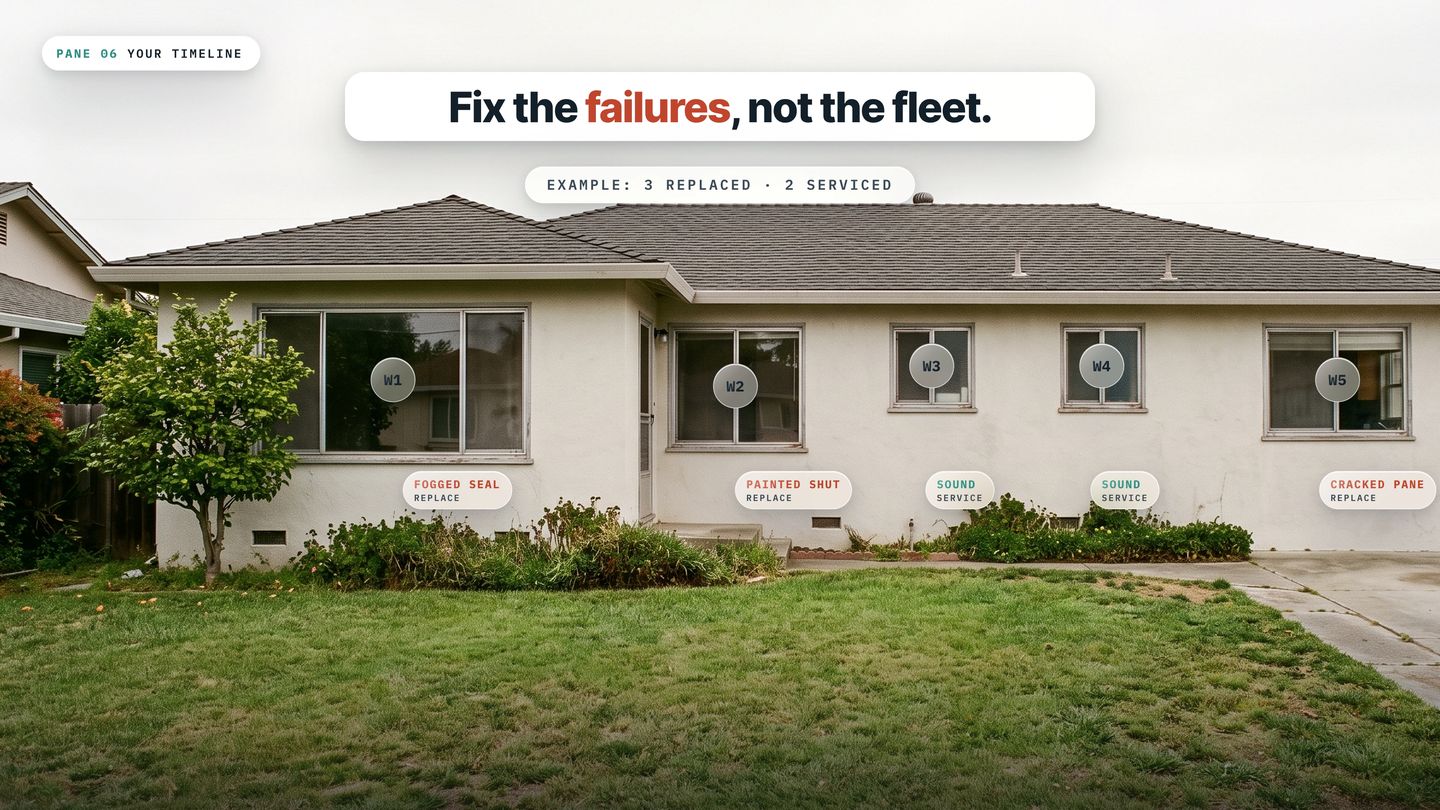
Replacing the two or three worst offenders often buys most of the showing improvement for a fraction of the whole house number. Start the conversation months before you list, not weeks, so the order, the permit and the inspection fit the calendar.
Staying a while: replace the fleet, then enjoy the quiet
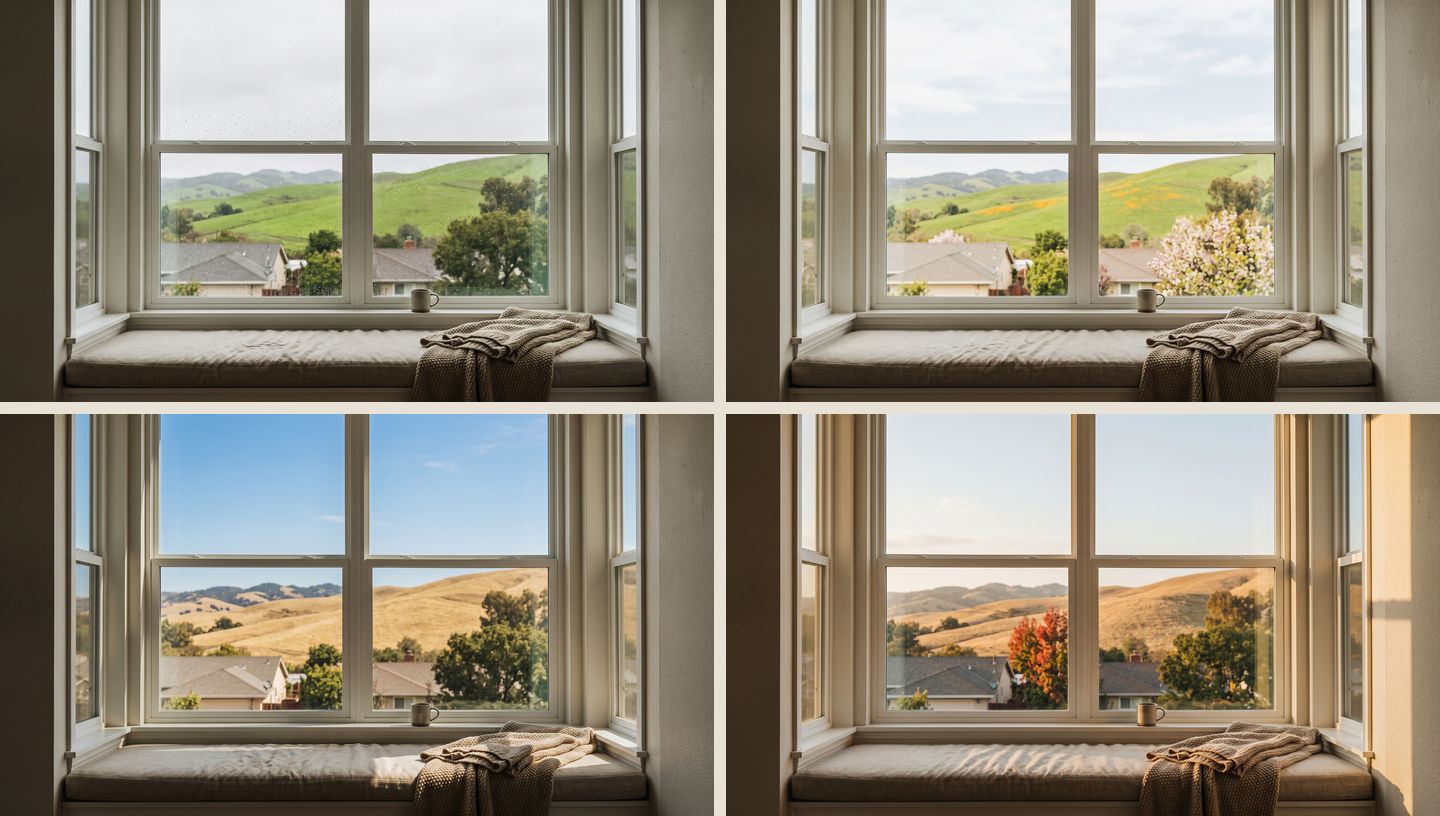
Replace the whole house when single pane misery or failed seals reach critical mass, and enjoy the quiet. On the 2025 San Francisco metro averages, most of the cost showed up again at resale, which is a fine deal for a decade of comfort. The full board is here.
What would this vinyl window replacement quote get back?
I apply the 2025 San Francisco metro recoup average for this project, about 84.6 percent, to your real number. A planning picture before you sign, not a valuation.
Plan on about $3,858 of this quote staying in the house on the metro average. If the sale is this close, that money usually works harder in prep, paint and pricing than in a project the next owner reprices anyway.
A planning illustration, not a valuation, appraisal or promise of any outcome. It applies one published metro average (2025 Cost vs. Value Report, Zonda Media / Remodeling, San Francisco metro) to the number you typed, nothing more. Whether a specific project pays on your specific house depends on condition, block and timing; that conversation belongs in a pre listing consult with real comparable sales.
Sources
- Cost vs. Value Report 2025, San Francisco metro (Zonda Media / Remodeling): jlconline.com/cost-vs-value/2025/pacific/san-francisco-ca
- Cost vs. Value Report 2021, national averages: jlconline.com/cost-vs-value/2021
- 2025 California Energy Code (Title 24, Part 6), Section 150.2(b)1B and Table 150.1-A: energy.ca.gov
- California Energy Commission, climate zones by ZIP code: energy.ca.gov
- City of Fremont, Express Residential Window and Door Replacement Plan: fremont.gov
- California Energy Commission, 2025 fenestration installation certificate (CF2R-ENV-01-E), on the temporary labels: energy.ca.gov
Harv Balu, REALTOR®
- Cell / Text: (510) 600-3425
- Email: homes@HarvRealtor.com
- Web: HarvRealtor.com
- REALTY EXPERTS®, 41051 Mission Blvd, Fremont, CA 94539, DRE# 02195792
Disclosures
This information is educational and general in nature and is not a bid, valuation, appraisal, or guarantee of any outcome. Cost and resale figures are published averages from the Zonda Media and Remodeling magazine Cost vs. Value Report, cited by edition year and geography in the text, current as of August 2026; the report's methodology changed between editions, so figures from different years are not comparable. Energy code and permit notes describe the 2025 California Energy Code and general Bay Area practice as of October 2026; verify requirements with your local building department. Equal Housing Opportunity. Information deemed reliable but not guaranteed.
About the images: the header image is a stock photograph. The other pictures in this post come from my video on vinyl window replacement. The photo style scenes are AI illustrations generated with Google Gemini, and three of them carry number cards drawn in code from the published Cost vs. Value averages. None of them shows a real home, a listing or a project from the Cost vs. Value study.
Window replacement questions before you commit
Do new windows increase home value in the Bay Area?
They recover most of their cost and remove a serious objection. The 2025 Cost vs. Value Report shows vinyl replacement windows in the San Francisco metro costing about 24,996 dollars for the studied ten window project and returning about 21,138 dollars at resale, an 84.6 percent recoup. The bigger effect is defensive: a house still on single pane aluminum sliders gets mentally repriced by every buyer who touches one, because they know the replacement bill is coming. New windows do not add a premium so much as delete a discount.
What does California's Title 24 require when replacing windows?
Replacement windows have to meet the current energy code. Under the 2025 California Energy Code, in force since January 1, 2026, that means a rated U factor of 0.27 or lower in Climate Zones 3 and 4, which cover Fremont, Newark, Union City and Hayward (Zone 3) and Milpitas, San Jose, Santa Clara and Sunnyvale (Zone 4), plus a solar heat gain coefficient of 0.23 or lower in Zone 4. Jobs of 75 square feet of windows or less may use units rated up to 0.40, and replacing only the glass or a sash in an existing frame counts as a repair. Fremont's express plan lists 0.27 and a solar heat gain coefficient of 0.23 for retrofit windows, so ask for both there. Bay Area cities generally require a permit for a change out. Code compliant windows are simply what every reputable installer quotes now; the rule matters when comparing bids, because a suspiciously cheap quote sometimes means noncompliant units or no permit, and both problems surface at sale time.
Should I replace windows before selling my house?
Only if what you have is actively hurting the showing: fogged double panes with failed seals, cracked glass, painted shut sashes, or single pane aluminum in a price tier where buyers expect better. A full change out weeks before listing rarely returns its cost on the published averages. The exception is strategic: replacing the two or three worst offenders, the fogged picture window in the living room, the bedroom slider that will not open, often buys most of the showing improvement for a fraction of the whole house number.
Can a fogged double pane window be fixed without replacing the whole window?
Often, yes. Fog between the panes means the seal on that insulated glass unit has failed, and a glass shop can usually replace just the sealed unit inside a sound sash and frame, typically for less than a new window. California's 2025 Energy Code treats glass replaced in an existing sash and frame, or a sash replaced in an existing frame, as a repair rather than a replacement, as long as the new piece performs at least as well as the old one. When the frame itself is the problem, such as a rattling original aluminum slider or a sash that no longer slides, replacing the whole unit is usually the better money.

Harv Balu
REALTOR® | GRI, CIPS, PSA, FTBS · REALTY EXPERTS®
CA DRE# 02195792
Read every post in HarvRealtor, my free app, and the words read offline. Download it free from the App Store® (opens in new tab) or Google Play™ (opens in new tab).